
Last updated November 22, 2026
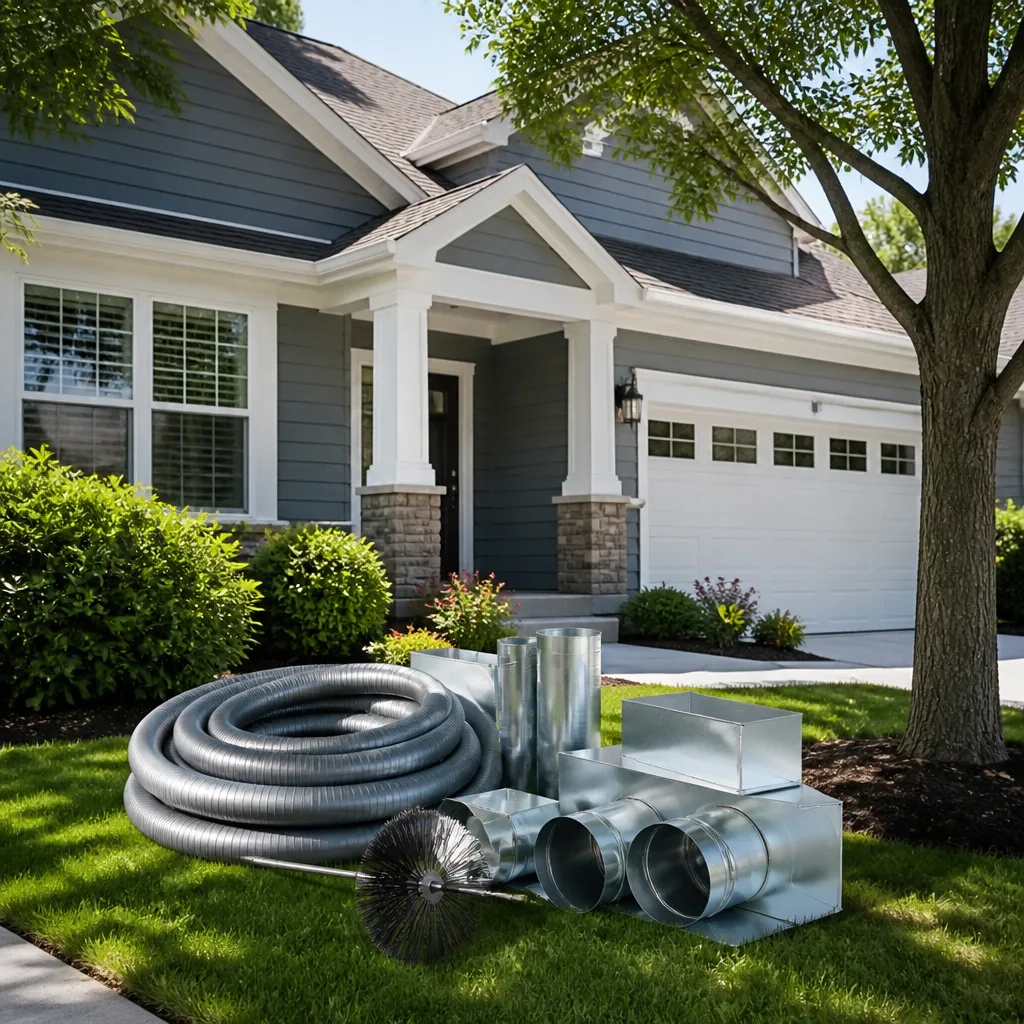 Whole-home duct cleaning
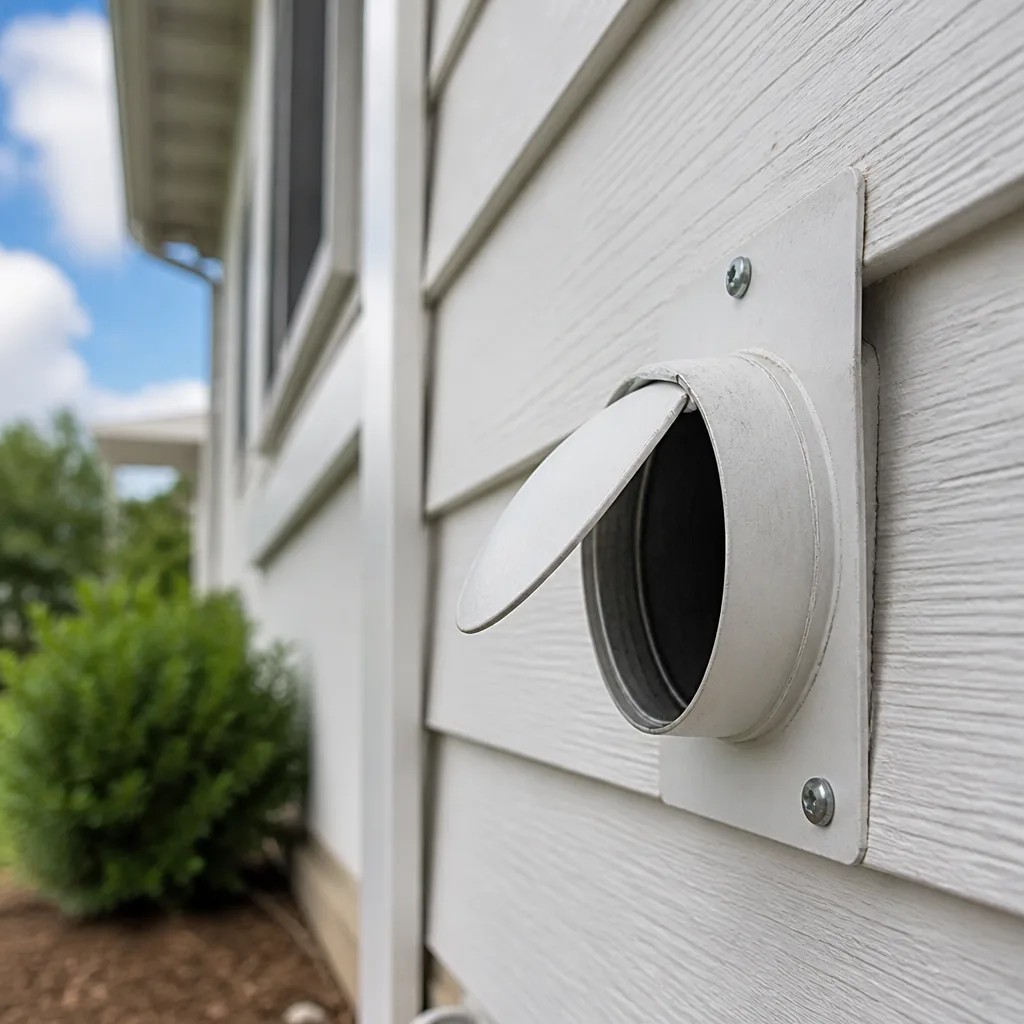 Dryer vent cleaning
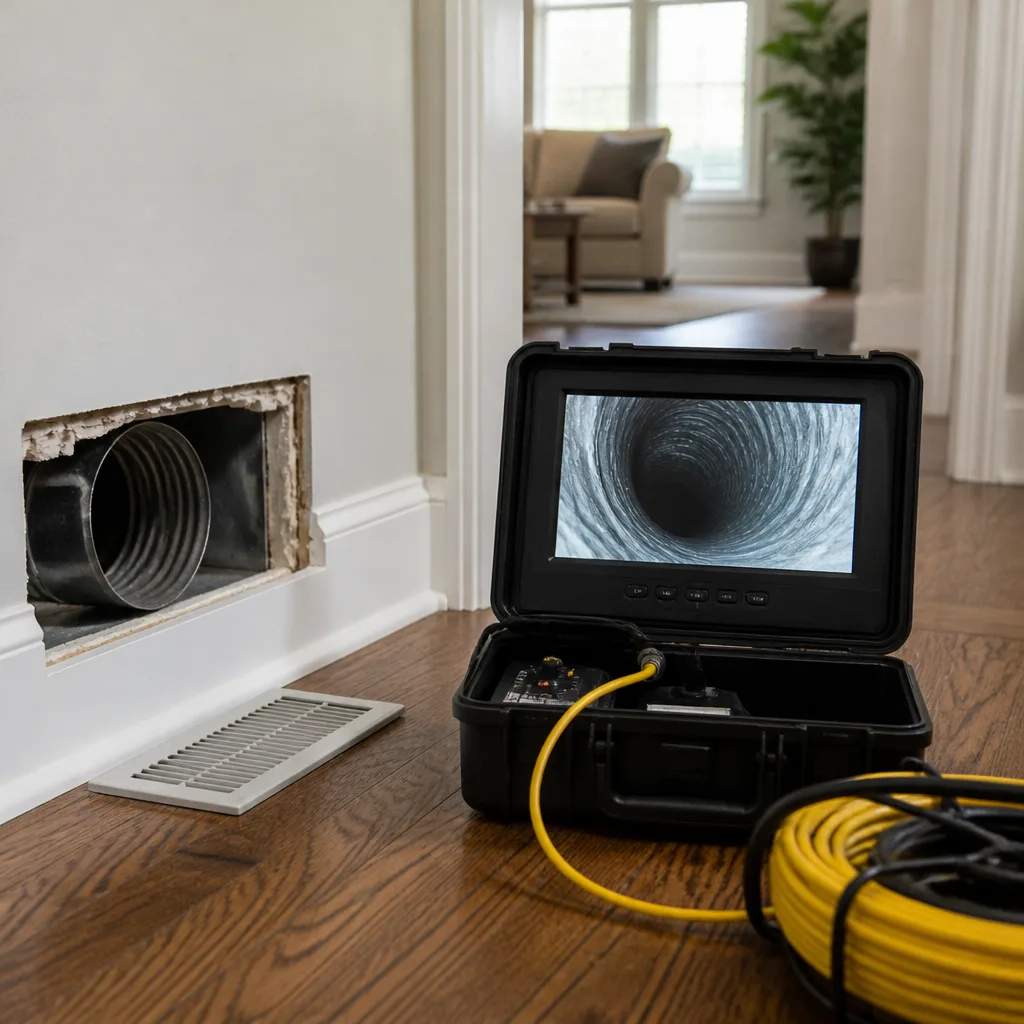 Camera inspection
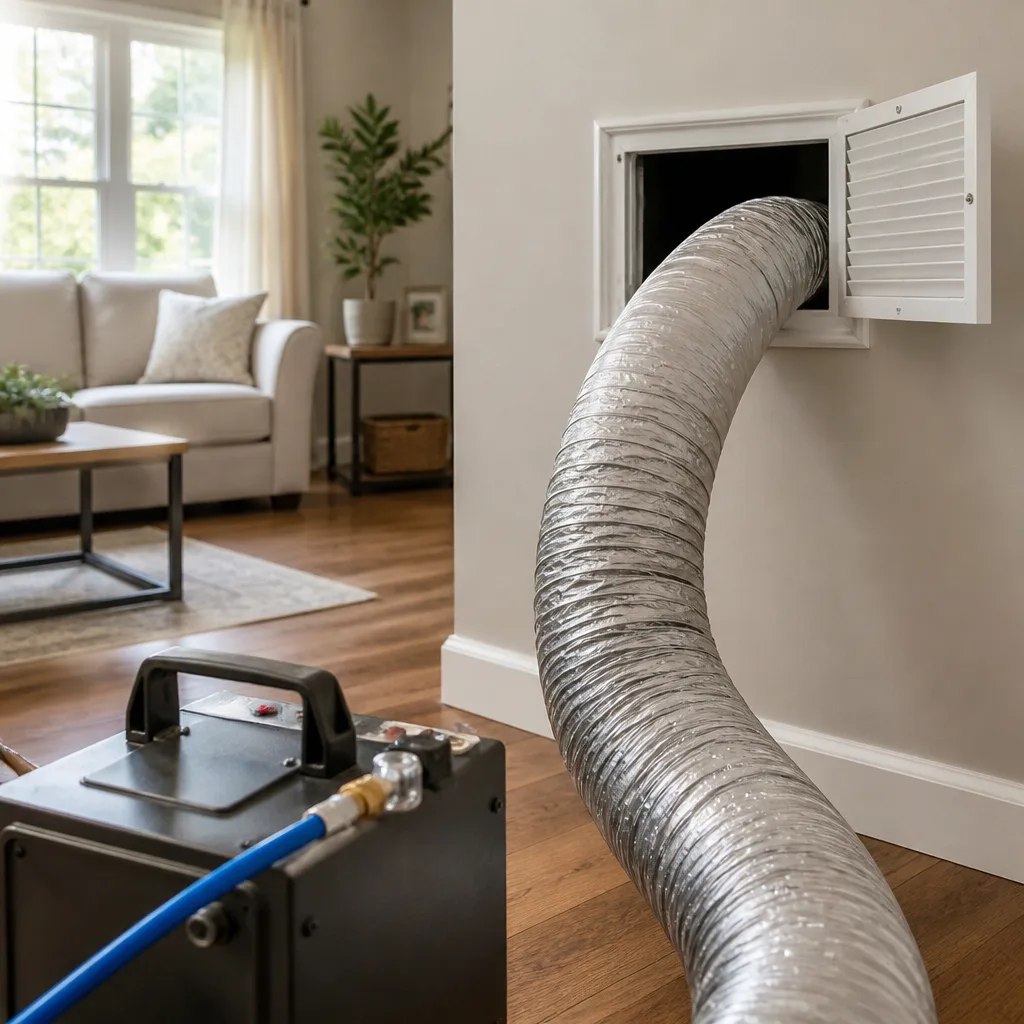 Sanitizing & deodorizing
Whole-system duct and dryer vent check with before-and-after photos - you see exactly what came out of your vents
That "$99 whole-house special" is a bait ad - the real number appears once they are in your hallway, or the "clean" is a shop-vac at the register. We photograph the inside of your ducts before and after instead.
Seasonal Air Duct Cleaning Care for Antioch: Year-Round Homeowner’s Guide
Most homeowners in Antioch book duct cleaning in October because the calendar says fall. But by October, the most demanding stretch of the year is already behind your system. Antioch’s HVAC equipment has just come off a long, hard cooling season, and the particles, pollen and moisture that season pushed through the ductwork are already sitting in it. Waiting until the weather turns means you start heating season with a dirty system and spend the winter moving that debris around the house. This guide maps the tasks to the actual Middle Tennessee climate calendar, so you act before a problem rather than after it.
Quick Answer
In Antioch, air duct cleaning works best when it follows the climate, not the calendar: schedule a full cleaning in late spring after pollen season and again in early fall before the furnace runs, adjust your filter MERV rating with the season instead of leaving one filter in year-round, and treat summer humidity and winter combustion byproducts as separate problems with separate fixes. One whole-system cleaning plus a fall inspection covers most homes, according to the season-by-season schedule below.
Styles & brands we work with
- Whole-home duct cleaning
- Dryer vent cleaning
- Camera inspection
- Sanitizing & deodorizing
Table of Contents
- Why Antioch’s Four Seasons Create Four Different Duct Problems
- Spring (March to May): Pollen Season and the Highest Particle Load of the Year
- Summer (June to August): Humidity, Condensation and What Grows Inside Ducts
- Fall (September to November): The Inspection Window Before Heating Season
- Winter (December to February): Gas Furnaces, Duct Leaks and Combustion Byproducts
- How to Change Your Filter MERV Rating With the Season
- A Year-Round Maintenance Calendar for Antioch Homes
- Common Mistakes to Avoid
- When to Call a Professional
Why Antioch’s Four Seasons Create Four Different Duct Problems
Antioch sits in Middle Tennessee, where all four seasons arrive in full. Spring brings a heavy tree and cedar pollen load. Summer runs hot and humid for months at a time. Fall dries out and cools quickly. Winter brings freezing nights and long stretches of furnace operation. A duct system that handles one of those seasons well can still struggle through the next, because each season stresses the system in a different way.
That matters because ductwork isn’t a static pipe. It’s a moving-air system that pulls from every room, passes that air across a filter and a coil, and pushes it back out. Whatever the season puts into that loop stays in the loop until it’s removed. Pollen that gets past a return grille in April doesn’t disappear in June. It settles on the duct walls, gets pulled back into the supply air, and circulates again.
We think about duct health in Antioch the same way we think about a roof or a foundation: the seasons set the maintenance rhythm. Once you know what each season does to your system, the schedule stops being guesswork.
- Spring is a particle-load problem: pollen and fine debris entering through returns.
- Summer is a moisture problem: condensation on cold duct surfaces.
- Fall is a diagnosis problem: finding what summer left behind before heat runs.
- Winter is a safety and efficiency problem: furnace operation and duct leakage.
The best way to see the whole picture is a proper air duct cleaning visit that includes an inspection of the duct runs, the air handler and the return side, not just the supply vents. Contact cleaning with a Rotobrush system scrubs the duct walls, while Nikro extraction equipment pulls the loosened debris out at high volume. That combination matters most in a climate with a real pollen season, because fine particles are exactly what a simple blow-out leaves behind.
Spring (March to May): Pollen Season and the Highest Particle Load of the Year
Spring is the heaviest particle-load season for ductwork in Antioch, and it isn’t close. Cedar and tree pollen arrive in volume, and the airborne particles that settle on outdoor surfaces also settle on return grilles, filter faces and the ducts behind them. Every time the air handler runs, the return side pulls that material toward the filter. Whatever gets past the filter goes into the ducts.
The return grille is the front door for this. A return is under constant negative pressure, so it’s actively drawing air across whatever sits near it: a hallway floor, a bedroom ceiling, a grille close to a door that opens to the yard. Fine pollen is small enough to pass through a standard filter’s media when the filter is loaded or the wrong rating for the season.
What we look for after a Middle Tennessee spring:
- Visible dust and fine debris on the return grille face and behind the grille.
- Pollen-colored residue on filter frames and on the accessible run of duct near the air handler.
- A filter that loads up in weeks rather than months, which points to a heavy incoming particle load.
- A noticeable musty or dusty smell when the system first starts, a sign that settled debris is being disturbed.
Late spring, after the pollen peak has passed, is the right time for a full cleaning. Cleaning in March wastes money because the pollen keeps arriving. Cleaning between late May and early June captures the whole season’s load in one visit.
This is also the season to check for leaks on the return side. A return duct that pulls air from a crawlspace, attic or garage brings outside particles straight into the system, no matter how good the filter is. Sealing those runs is part of the duct repair and sealing work we handle, and it’s the root-cause fix rather than a repeat cleaning every spring.
Summer (June to August): Humidity, Condensation and What Grows Inside Ducts
Antioch summers combine high heat with high humidity. That combination creates a specific duct problem: condensation. When cold supply air moves through a duct in a hot, humid attic or a warm unconditioned space, the duct’s exterior surface can drop below the dew point of the surrounding air. Moisture collects on the duct wall. It’s the same principle as a cold glass of water on a porch in July.
Inside the duct, the risk is different but related. If the system short-cycles, if the blower runs on low speed for long stretches, or if warm, humid air gets pulled into a return leak, the air inside the duct can stay near saturation. Damp organic dust is a food source for microbial growth. That’s why a musty smell that appears in July often traces back to a duct that never fully dried out.
What summer asks of you:
- Check the insulation on any duct run in an attic or garage. Torn or missing insulation lets the duct surface sweat and lets the supply air warm up before it reaches the room.
- Keep the filter clean. A loaded filter raises static pressure, reduces airflow and lets the coil get wetter and stay wet longer.
- Look for a musty smell at supply vents. If it’s stronger in the morning or after the system has been off, moisture is likely involved.
- Make sure the condensate line drains freely. This is the HVAC side, but a backed-up drain pan can keep the air handler area humid for weeks.
- Watch for high indoor humidity. If the house stays humid even with the AC running, the system may need an IAQ assessment rather than more cleaning.
When a summer duct problem turns out to be microbial, a standard cleaning isn’t the whole answer. A full visit that includes sanitizing the duct system goes further. We use remediation-grade Abatement Technologies filtration equipment on jobs where real contaminant removal is needed, which is the right standard for a home that’s had a moisture problem. For homeowners who want to address humidity at the source, Honeywell and Aprilaire equipment familiarity helps us talk credibly about filtration and dehumidification upgrades, and about what a duct cleaning visit can and can’t fix on its own.
For the HVAC side of summer performance, see our guide to HVAC cleaning, which covers the coil, blower and drain pan alongside the ducts.
Fall (September to November): The Inspection Window Before Heating Season
Fall is the most underrated season for duct care in Antioch, and it’s the one we’d pick if a homeowner could only schedule one visit a year. Why? Because fall is the only point in the year when you can see what an entire cooling season left behind, and you still have time to fix it before the furnace runs.
By late September, the AC has done its job for months. The ducts have handled the summer’s humidity and the spring’s pollen. The filters have been loaded and changed at least once. Any leak on the return side has been pulling attic or crawlspace air into the system for months. Fall is the moment to inspect all of it.
What a proper fall inspection covers:
- The accessible duct runs, looking for settled debris, moisture staining and loose or disconnected joints.
- The air handler cabinet and the blower, checking for dust build-up and condensation.
- The supply and return registers, checking for airflow restrictions and grille-side dust.
- The filter housing, checking for a positive seal and the right filter for the season ahead.
- Any duct run through an unconditioned space, checking insulation and joint seals.
A fall cleaning after the cooling season sets the system up clean for heating. A fall inspection catches leak or seal problems while they’re still cheap to fix. Duct repair and sealing done in October pays off all winter, because sealed ducts keep heated air inside the system instead of leaking it into the attic.
Fall is also the right time to schedule dryer vent cleaning if it’s been a while. Dryer vents get overlooked because they sit behind an appliance, but lint accumulation in the vent run is a documented fire hazard. Cleaning it is a fire-safety service, not an add-on.
Winter (December to February): Gas Furnaces, Duct Leaks and Combustion Byproducts
Winter changes the stakes. For most Antioch homes, heating season means a gas furnace running regularly. A furnace needs air for combustion and a way to vent exhaust gases out of the house. In a well-sealed home with a leaky return duct near the air handler, that balance can get complicated.
The specific risk is called backdrafting or combustion byproduct migration. If the return duct creates a strong negative pressure in the mechanical closet or the room where the furnace sits, exhaust gases from the flue can be pulled back into the home instead of going up the chimney. If that happens, carbon monoxide can be drawn into the supply air and distributed through the duct system.
This is a safety issue, not a performance issue, and it deserves a trained professional’s eyes. Our guidance is this:
- Have a licensed HVAC technician or gas professional inspect and service the furnace at the start of every heating season. That includes the flue, the heat exchanger and the combustion air supply.
- Ask about duct leakage near the air handler. Gaps in the return plenum or the mechanical closet can change pressure in ways that affect combustion air.
- Keep a working carbon monoxide alarm on every floor. This is basic safety, and it catches a problem before it becomes an emergency.
- Don’t block combustion air openings with stored items, and don’t seal a mechanical closet without a professional assessment.
- If you smell exhaust, feel lightheaded, or the CO alarm sounds, get out and call for help. Don’t run the furnace while you investigate.
Once the safety side is covered, winter is about efficiency. A furnace working against leaky ducts and a dust-loaded blower runs longer to do the same job. Sealed ducts and a clean blower mean the heated air reaches the rooms it’s meant for, which is the practical reason duct repair and sealing pays off in winter.
Schedule a pre-winter inspection in late fall rather than December, so any duct or furnace repairs are done before a cold snap forces the system to work harder than it should.
How to Change Your Filter MERV Rating With the Season
Most homeowners install one filter and leave it in for the year, or until it looks dirty. In Antioch, that approach leaves money and air quality on the table. The filter’s MERV rating measures how well it captures particles of a given size. A higher rating captures more, but it also resists airflow more. The right rating depends on the season, because the incoming particle load and the airflow demand both change with the weather.
The mechanical reason is static pressure. Every filter adds resistance. A high-MERV filter on a system that wasn’t designed for it raises the pressure across the blower, which reduces airflow and can make the system work harder and run longer. On some systems, a high-MERV filter makes the airflow drop enough that the coil gets cold, then wet, then a moisture problem follows in the summer. That’s a filter that does more harm than good.
Here’s the seasonal logic we use in Antioch:
- Spring (pollen season): step up to the highest MERV rating your system’s manufacturer specifies. Pollen season is the reason to use your highest rating, provided the blower and ductwork can handle it.
- Summer (humidity season): often the right time to step down to a moderate rating. Airflow matters more in summer because a lower airflow means a wetter coil and more condensation.
- Fall (post-season): back to your standard rating for the clean-up-inspection window. A clean, correctly sized filter is the priority, not the highest number.
- Winter (heating season): a moderate-to-standard rating keeps airflow steady for the furnace. High-MERV filters can mean higher static pressure and a furnace that runs longer than it needs to.
The right starting point is your system’s manufacturer documentation, which names the maximum MERV rating the equipment is designed for. If you don’t have it, an HVAC cleaning visit usually includes measuring static pressure and telling you what your system can actually handle. Once you know the ceiling, the seasonal adjustment becomes simple. Set a reminder to swap or check the filter at each season change, and use the manufacturer’s recommended change interval as your baseline.
For homeowners considering filtration and air quality upgrades, Honeywell and Aprilaire media cabinets and controls are worth discussing with the technician on site. Aprilaire in particular has a strong position in whole-home filtration, and Honeywell covers both filtration and humidification. Those upgrades only work if the system can handle them, so ask about static pressure before you buy a filter cabinet.
A Year-Round Maintenance Calendar for Antioch Homes
Here’s the whole system on one page. Print it, put it on the fridge or set phone reminders, and adjust for your own home’s age and system type.
- March: Check the filter and step up to your system’s highest rated filter. Walk the returns and look for visible pollen load on the grille faces. Book a spring cleaning for late May.
- April to May: Full clean once the pollen peak has passed. Consider sanitizing if there’s any musty smell. Check return duct joints for leaks, especially on runs through the garage or crawlspace.
- June: Step the filter down to a moderate rating for summer airflow. Inspect attic and garage duct insulation. Check the condensate line.
- July to August: Watch indoor humidity and musty smells. Any persistent smell is worth a professional look. Keep up with filter changes.
- September: Full fall inspection: ducts, blower, air handler, seals. Have the furnace serviced by a licensed HVAC technician. Book a duct repair and sealing visit if anything is loose or disconnected.
- October: Dryer vent cleaning if it’s been a while. Final pre-winter check of return-side duct seals near the air handler.
- November: Confirm the filter is a moderate-to-standard rating for the furnace. Test carbon monoxide alarms.
- December to February: Keep the filter clean, watch for CO alarms, and don’t block combustion air openings. If you notice performance problems, don’t wait until spring.
Homes with pets, recent renovations, new carpet or a recent home purchase tend to move a full cleaning earlier in the calendar. Homes with a heat pump or electric heat can follow the same rhythm but don’t carry the winter combustion risk. Homes with an older gas furnace and ductwork running through an unconditioned space should be the most careful about the winter section above.
Common Mistakes to Avoid
- Booking the cleaning in October because “it’s fall.” By then the pollen season and the summer humidity stretch are both behind you, and you’re starting heating season with whatever summer left behind. Book in late spring and again before heating season if you only do two visits a year.
- Keeping the same filter year-round. The right MERV rating depends on what the season is throwing at it. Pollen season calls for a higher rating; summer airflow calls for a moderate one. Talk to the technician about your system’s designed maximum.
- Confusing “duct cleaning” with a blow-out. Compressed air alone just moves debris around. Contact cleaning with a Rotobrush system scrubs the duct walls, and Nikro extraction pulls the loosened material out. Ask what method a company uses before you book.
- Ignoring the return side. Every cleaning in a Middle Tennessee home should include the return ducts, the return plenum and the air handler cabinet. A supply-only job leaves the front door of the system untouched.
- Sealing the house more without thinking about combustion air. Tighter homes in Antioch are more efficient, but a sealed mechanical closet with a gas furnace needs a licensed assessment of combustion air, not just better weatherstripping.
- Skipping the dryer vent. Lint in the vent run is a fire hazard and it’s easy to forget. It deserves the same seasonal reminder as the furnace filter.
- Believing a musty smell will clear on its own. In Antioch’s humid summers, a smell that appears in July usually traces back to moisture in the ducts or the air handler. A cleaning and sanitizing visit is the right next step, not a deodorizer spray.
When to Call a Professional
Some duct care is seasonal maintenance. Some needs a professional on site. Call us if you’ve just finished a renovation, if you’ve bought a home in Antioch recently and haven’t had a duct inspection, if you can see visible debris on the return grilles or inside the supply registers, or if a musty smell keeps showing up in summer. Call us if the attic or garage ductwork shows loose insulation, disconnected joints or visible condensation. And call us before winter if you have a gas furnace and you’re not sure the ductwork near the air handler is sealed properly. Antioch Air Duct Cleaning Pros offers free estimates in Antioch – call (833) 508-9940. Our technicians have up to 13 years of experience, and we use remediation-grade Abatement Technologies filtration equipment on jobs where contaminant removal matters. We answer 24/7, with fast dispatch from 7am to 7pm, Sunday through Friday.
See the difference
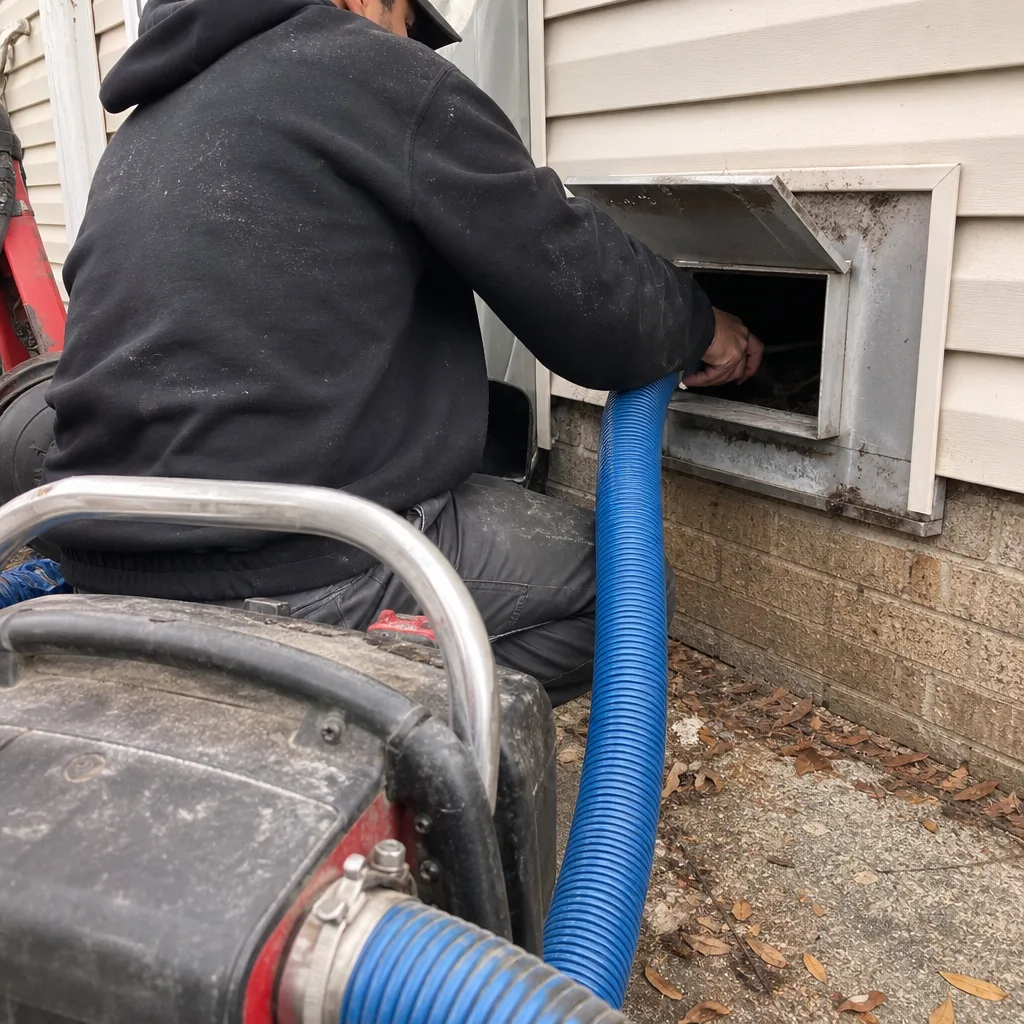 Before
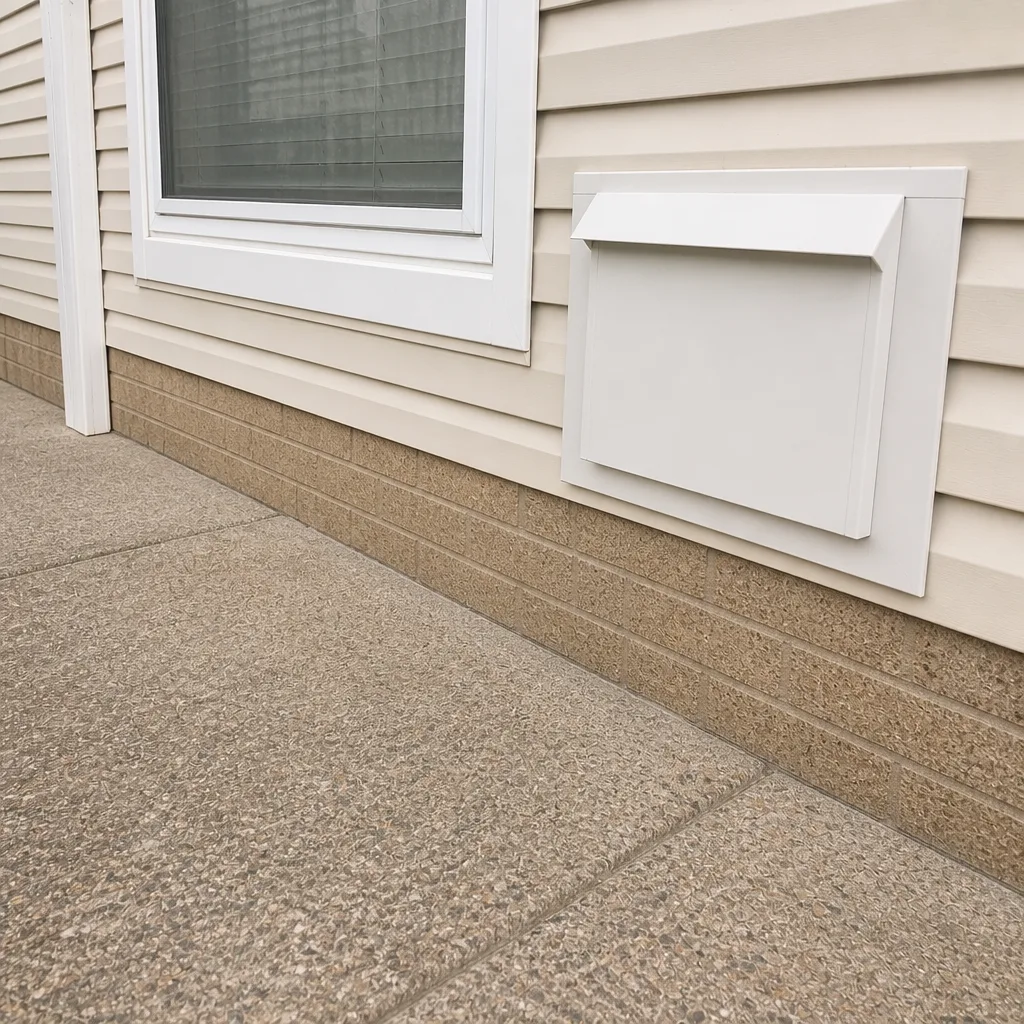 After
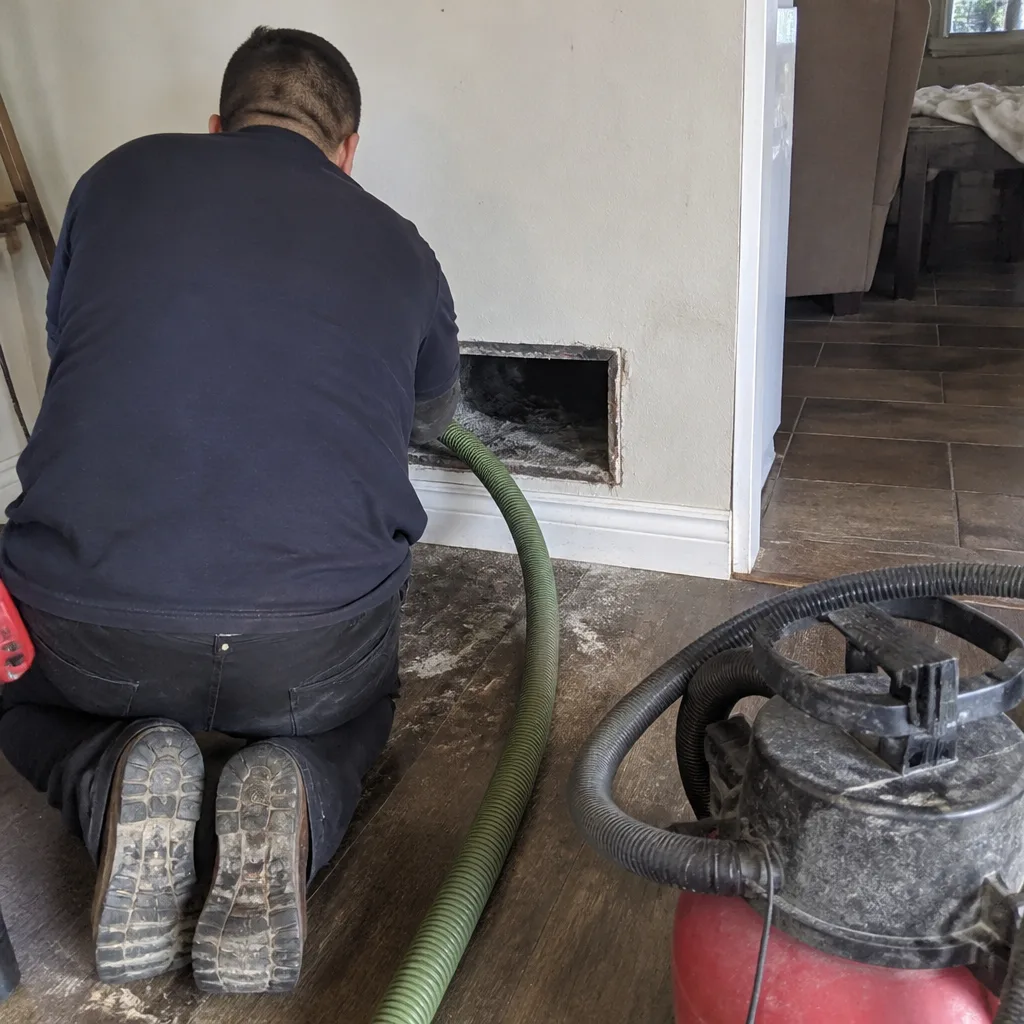 Before
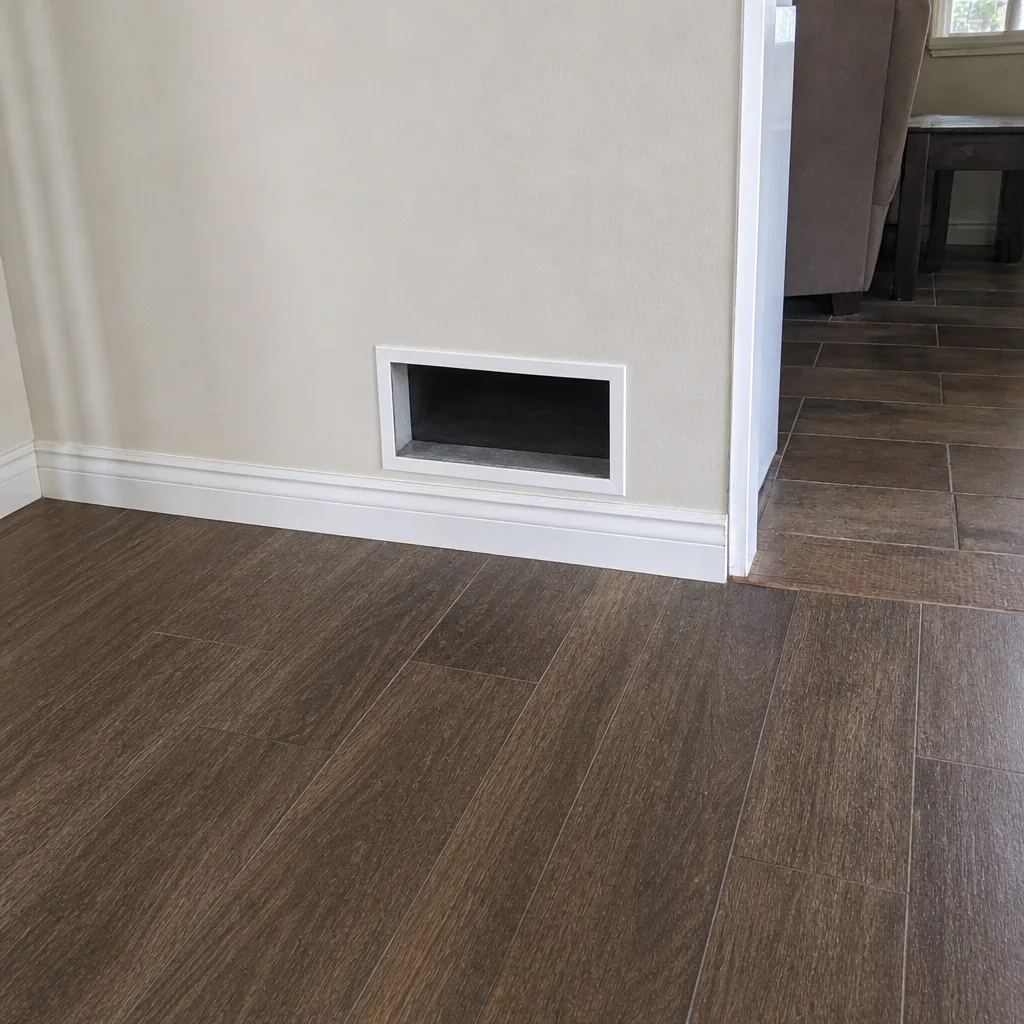 After
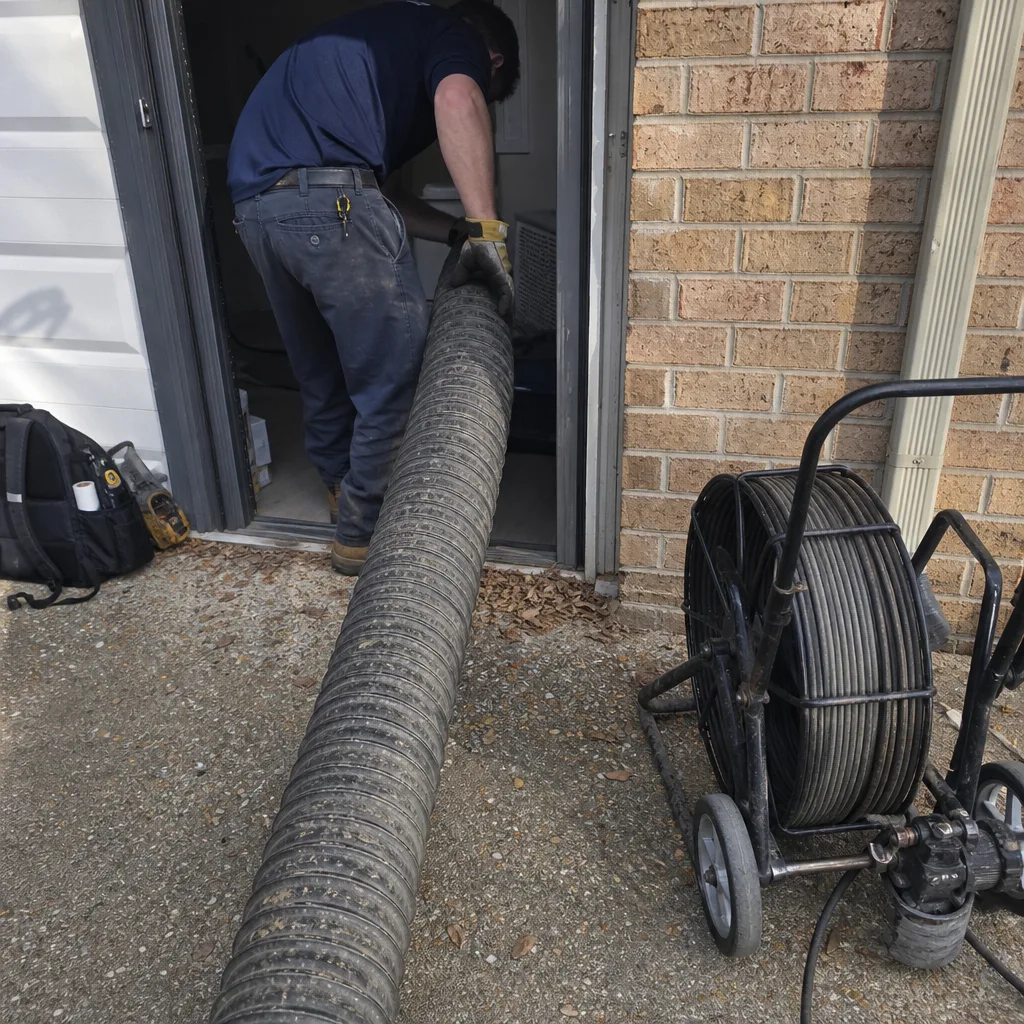 Before
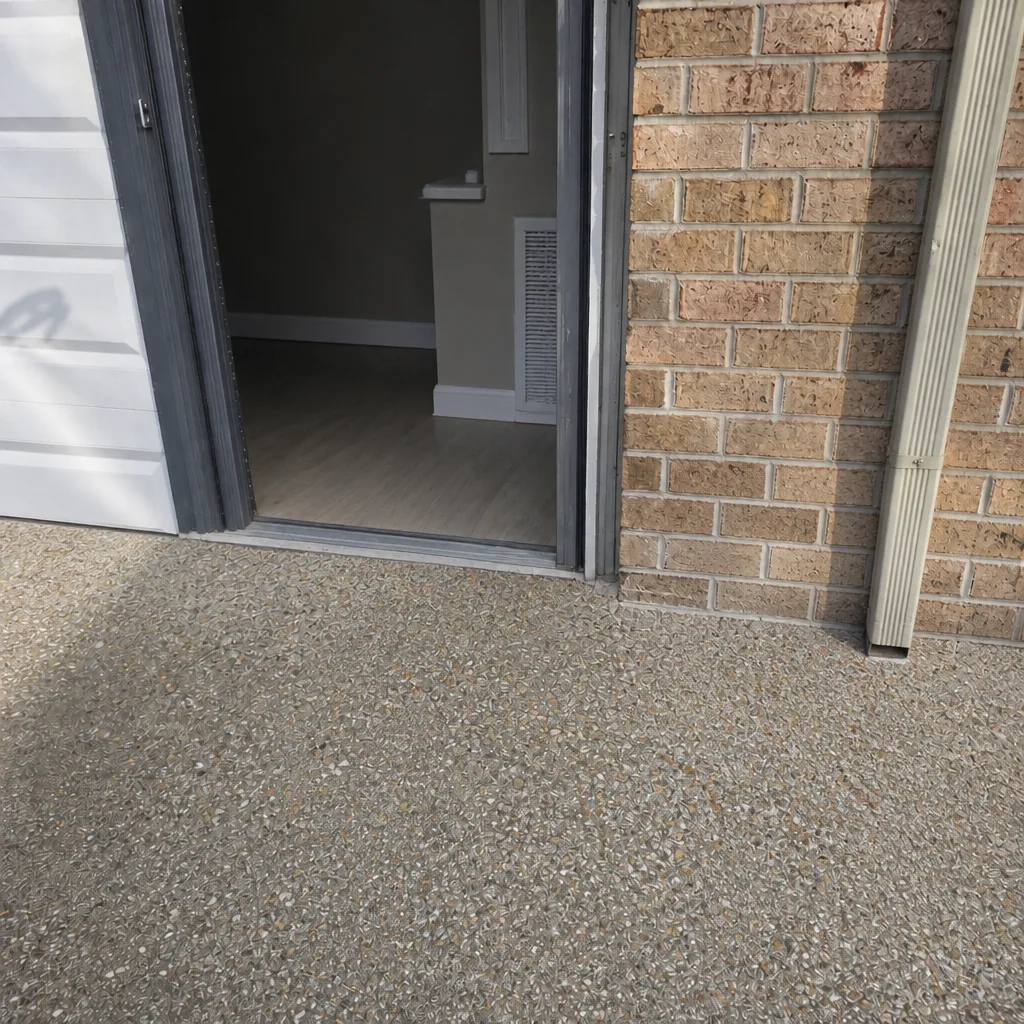 After
Frequently Asked Questions
Most Antioch homes benefit from a full cleaning once a year, timed to late spring after pollen season, with a fall inspection before heating season. Homes with pets, recent renovations, allergies or a recent purchase may need a cleaning a bit sooner, particularly after the first full summer in the house.
Spring is the highest-volume particle-load season, because cedar and tree pollen arrive in force and return grilles pull it into the system. But the worst window for your ducts overall runs from spring pollen through the humid summer stretch, which is why a late-spring cleaning followed by a fall inspection covers the whole stress period.
Yes, if your system’s manufacturer allows a range. Use the highest rating your equipment is designed for during pollen season and step down to a moderate rating in summer and winter, when airflow matters more than maximum filtration. Never exceed the maximum MERV rating listed in your system documentation without a static-pressure check.
A musty smell in summer usually points to moisture in the ducts or the air handler, not a carpet problem. Antioch’s humid summers make this common when a duct sweats, a drain pan stays wet or a return leak pulls humid air into the system. A cleaning plus sanitizing visit is the right next step, and a duct repair and sealing assessment can fix the root cause.
Duct cleaning itself is safe, but winter is when gas furnace safety matters most. Have the furnace serviced by a licensed HVAC technician at the start of every heating season, and have duct leakage near the air handler assessed at the same time. If the CO alarm ever sounds or you smell exhaust, get out of the house and call for help; don’t run the system while you investigate.
Pricing in Antioch is per system, set by a written estimate before any work starts, and it depends on the number of systems, the number of vents and returns, accessibility and whether sanitizing or duct repair work is included. Compare quotes on method and scope, not on the headline number; a company that quotes per vent with a teaser figure is often the one that surprises you on site. Call (833) 508-9940 for a free estimate and a written quote you can compare line by line.
Ask for before-and-after photos of your own ducts, and be present while the work is done if you want to watch the process. A company using contact cleaning and extraction equipment can show what came out of the duct and what it looks like afterward. That’s the standard you should hold any duct cleaning company in Antioch to.
The Bottom Line
Antioch’s four seasons stress your duct system in four different ways, and the calendar that matters is the climate calendar, not the page on the wall. Spring’s pollen peak is a particle-load problem that a late-spring cleaning handles. Summer’s humidity is a moisture problem that a fall inspection can catch before it sticks. Fall is the clean, seal and inspect window. Winter is the season to think about combustion safety alongside efficiency. Adjust your filter rating with the seasons, watch the return side and the air handler as closely as you watch the vents, and book the cleaning after the weather has finished its work, not before. A duct system that’s cleaned on that rhythm, with contact cleaning and repair and sealing done together, keeps the air in your Antioch home moving cleanly all year.
If you’re ready to put this year-round plan into action, Antioch Air Duct Cleaning Pros provides five services under one roof: air duct cleaning, dryer vent cleaning, HVAC cleaning, air quality and sanitizing, and duct repair and sealing. We’re Antioch Air Duct Cleaning Pros, and we offer a free estimate to every Antioch homeowner. Call (833) 508-9940. We answer 24/7. Fast dispatch from 7am to 7pm, Sunday through Friday.
Written by the team at Antioch Air Duct Cleaning Pros.