
Last updated November 22, 2026
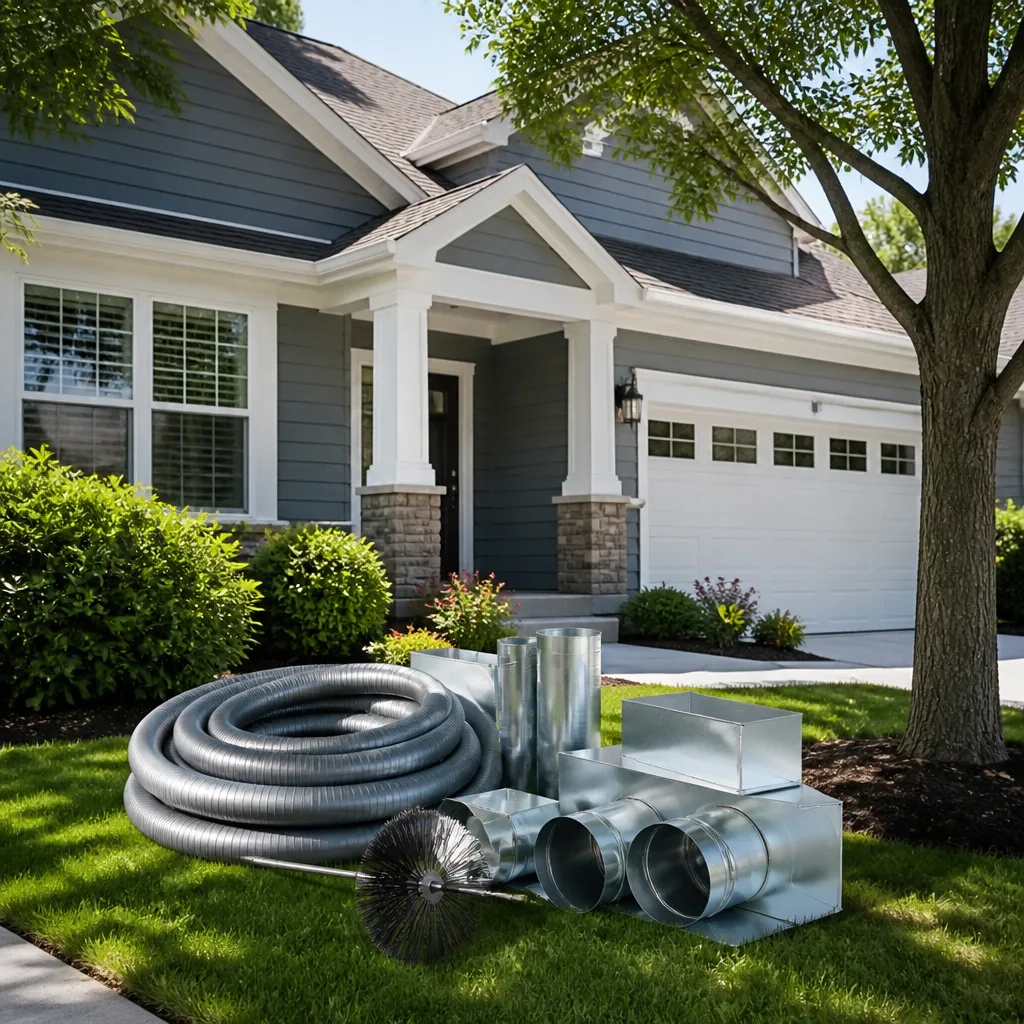 Whole-home duct cleaning
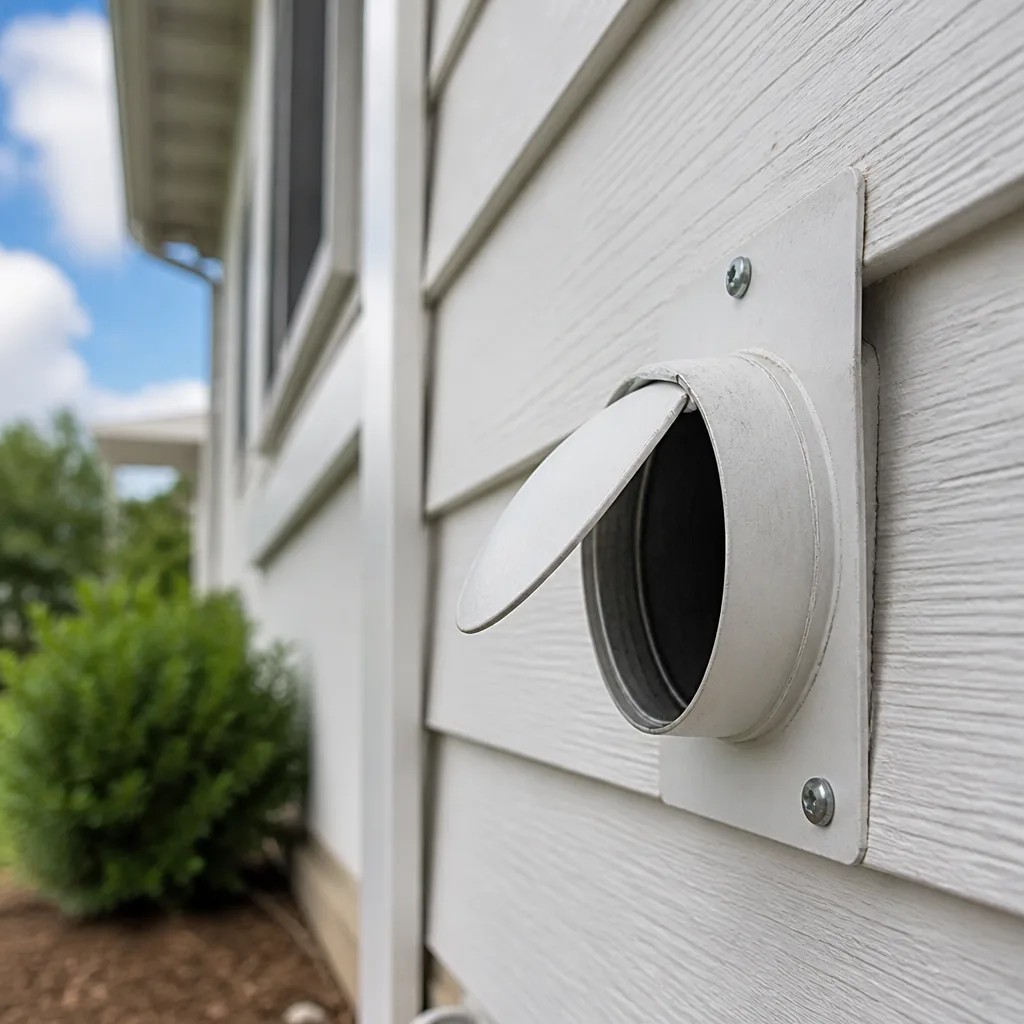 Dryer vent cleaning
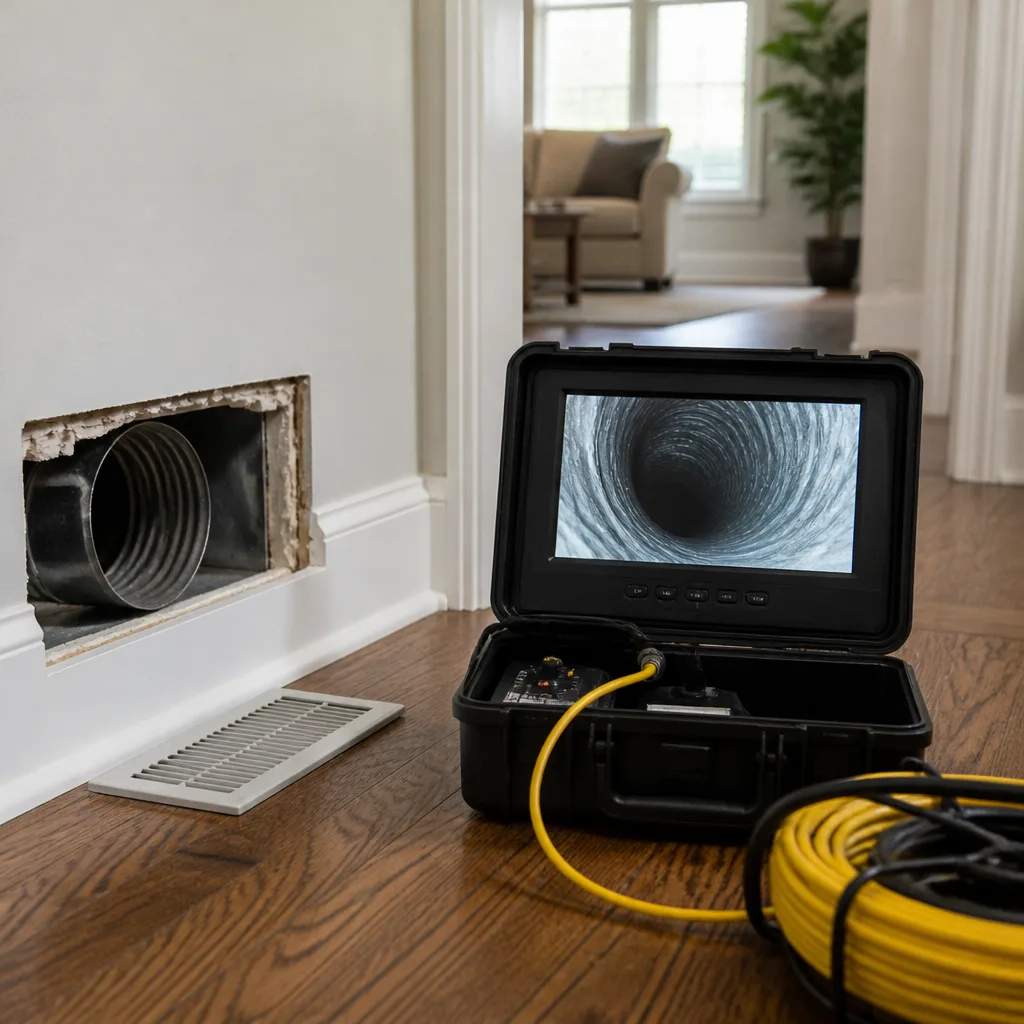 Camera inspection
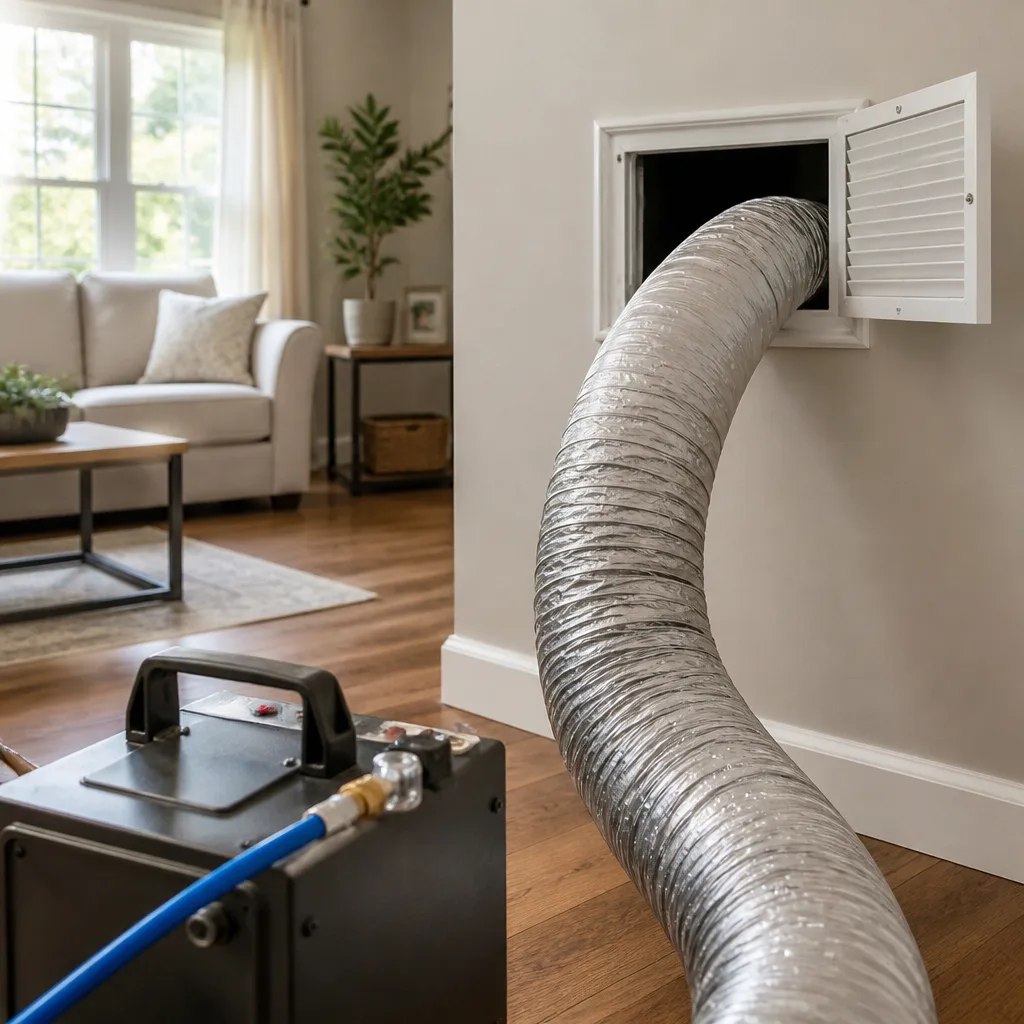 Sanitizing & deodorizing
Whole-system duct and dryer vent check with before-and-after photos - you see exactly what came out of your vents
That "$99 whole-house special" is a bait ad - the real number appears once they are in your hallway, or the "clean" is a shop-vac at the register. We photograph the inside of your ducts before and after instead.
Air Duct Cleaning Maintenance Checklist for Antioch Homeowners
Most homeowners change the filter and call it done. That single habit feels like maintenance, but a filter only catches what passes through it, and it sits at one point in a much larger system. The filter does almost nothing for what settles on duct walls, in the blower compartment, or around the return grille seals. The dust that builds up there keeps recirculating every time the air handler runs. What follows is a practical checklist for Antioch homeowners who want to catch duct system decline early, while it’s still a small, cheap problem. You’ll get a monthly, quarterly, and annual schedule, a no-tools test you can run in a minute, and a log format that gives any future contractor a real baseline. Antioch’s long cooling season and spring pollen load set the rhythm for the whole thing.
Quick Answer
A workable air duct maintenance checklist in Antioch combines four rhythms: a monthly filter check, a quarterly visual inspection of grilles and the drain pan, an annual full-system inspection before pollen season starts in March, and a professional cleaning every few years based on debris load rather than the calendar alone. Fold dryer vent inspection into the same schedule. Log the results after every cleaning so the next technician starts with facts, not guesses.
Styles & brands we work with
- Whole-home duct cleaning
- Dryer vent cleaning
- Camera inspection
- Sanitizing & deodorizing
Table of Contents
- Why a Checklist Beats a Reminder
- The Monthly Tasks
- The Quarterly Inspection
- The Annual Deep Check
- Antioch Timing: Pollen Season and the July-August Humidity Window
- The One-Minute Grille Pull-Test
- Folding Dryer Vent Inspection Into the Same Schedule
- What to Log After Every Professional Cleaning
Why a Checklist Beats a Reminder
A reminder tells you to do something. A checklist tells you what you’re looking for and what the result means. That difference matters, because duct systems don’t fail suddenly. They decline. Debris builds in layers, airflow drops a little, static pressure rises, and the system works harder to move the same air. By the time a homeowner notices a problem, it usually shows up as one of three things: air quality complaints, uneven room temperatures, or an energy bill climbing without an obvious cause.
A diagnostic calendar catches the decline at the stage where it’s still cheap to fix. That means checking specific inspection points most homeowner lists skip entirely:
- The condensate drain pan. Standing water or a slimy film there signals a drainage problem that feeds biological growth straight into the airstream.
- The blower compartment. Dust caking on the blower wheel cuts airflow more than most people expect, and a dirty wheel can throw the whole system out of balance.
- Return grille seals. A gap around a return lets attic or crawlspace air bypass the filter entirely. This is one of the most overlooked leaks in a home.
- Register airflow at each supply. A room that blows noticeably weaker than the rest points to a blockage or a disconnected run.
None of these require instruments. They require a routine and a place to write down what you saw. That’s the whole idea behind a diagnostic calendar. In our experience, homeowners who follow one end up cleaning less often and spending less overall, because they clean when the system actually needs it. Our technicians have up to 13 years of experience, and the pattern is consistent: the homes with the fewest surprises are the ones where someone was paying attention in between visits.
The Monthly Tasks
Monthly work takes about ten minutes and catches the things that change fastest. Filter loading, thermostat behavior, and condensation are all moving targets in an Antioch summer.
- Check the filter, don’t just replace it. Hold it up to a light. If you can’t see through it, it’s done. During heavy cooling months, filters load faster than the packaging suggests.
- Confirm the filter is seated correctly. A filter that’s the wrong size or sitting crooked lets air slip past the edges unfiltered. Check the arrow direction points toward the air handler.
- Look at the condensate pan. A quick glance for standing water, rust, or slime. If you see any, that’s a call, not a wait-and-see.
- Run your hand over each supply register. You’re feeling for airflow and temperature consistency, not diagnosing anything yet. Note any room that feels weak or warm.
- Smell the air at a return grille. A musty or dusty odor at the return tells you the problem is upstream, inside the ductwork, not just in the room.
Nothing on this list requires tools. The point is to build a habit of small observations, so a trend becomes visible before it becomes a repair. A homeowner who does these five things monthly will notice a failing blower or a clogged drain long before it turns into a weekend emergency.
The Quarterly Inspection
Quarterly, you go a little deeper. This is where the diagnostic calendar starts producing real information: patterns, not just snapshots.
- Remove one supply grille and look inside. (More on the grille pull-test below.) You’re checking the duct wall for dust buildup and any sign of moisture.
- Inspect return grille seals. Run a hand or a light around the frame. Any gap or loose gasket means unfiltered air is being pulled in from the cavity behind the wall.
- Check the blower compartment. With the unit off at the breaker, look at the blower wheel. A light dust film is normal. Visible caking means it’s time for a professional cleaning.
- Walk the accessible duct runs. Look for sagging flex duct, disconnected joints, or crushed sections in the attic or crawlspace.
- Note the date and the condition of everything above in your log.
These inspections are visual only. We don’t recommend opening electrical panels or dismantling the air handler to get a better look, because that’s work for a trained technician. What you can do safely from the outside tells you plenty, and it tells the next professional exactly where to focus. For a homeowner in Antioch, this quarterly pass also gives you a natural moment to decide whether the system needs air duct cleaning before the season turns.
The Annual Deep Check
Once a year, ideally ahead of the cooling season, run the full pass. This is the appointment-style inspection that ties every other task together.
- Schedule a professional full-system inspection. A technician can look at parts a homeowner can’t reach safely, including the interior of the main trunk and the evaporator coil face.
- Test airflow at every register and compare against your notes from last year. A room that’s lost airflow since last season is a finding.
- Check the evaporator coil and drain line for buildup and blockages.
- Look at the ductwork for leaks and disconnected joints, especially in unconditioned attic space where temperature loss is greatest.
- Decide on cleaning based on what you found, not on the calendar. A lightly used system in a well-sealed home may not need cleaning every year; a home near a construction site or with pets and heavy pollen exposure might.
A proper professional clean uses contact-based mechanical cleaning, not compressed air alone. The equipment matters. Rotobrush contact cleaning scrubs the duct walls, and Nikro professional extraction equipment pulls out the loosened debris and particulate. Blowing debris loose without extracting it just relocates the problem. That’s why we treat HVAC cleaning as part of the same annual rhythm rather than a separate errand. The air handler, the coil, and the ducts are one system, and they get dirty as one system.
Antioch Timing: Pollen Season and the July-August Humidity Window
Antioch’s climate sets a specific schedule, and it’s worth writing down because it doesn’t match the generic advice you’ll find online.
Spring pollen arrives in force around March. That’s the single biggest debris-loading event of the year for most Antioch homes, because the system runs hard just as airborne particulates peak. If you’re going to inspect, do it in late February or early March, before the load builds. A system already carrying last year’s dust doesn’t get to start the pollen season clean otherwise.
Then comes the humidity window. In July and August, Middle Tennessee humidity pushes the air handler and condensate system hard. Moisture plus dust equals a much more hospitable environment for biological growth inside the ductwork and on the coil. This is why a summer inspection is worth more in Antioch than in a drier climate. If your quarterly pass falls in July or August, take the drain pan and blower compartment check seriously rather than skimming it.
- Late February / early March: pre-pollen professional inspection and cleaning if needed.
- July-August: moisture-focused check of drain pan, blower compartment, and duct interior near the air handler.
- October: post-summer review of airflow notes before heating season.
This is the local adjustment that makes the checklist work. National checklists say “annually.” An Antioch schedule has to account for two distinct pressure points in the same year. When we talk with homeowners about Antioch Air Duct Cleaning Pros, this seasonal map is usually where the conversation starts, because timing decides whether a cleaning is preventive or catch-up.
The One-Minute Grille Pull-Test
You can gauge your debris load in about a minute, with no tools, using a supply grille.
- Pick a supply register in a room you actually use, not a dead guest room.
- Turn the system off at the thermostat.
- Lift or unscrew the grille cover. Most are held by simple friction clips or two screws.
- Shine a phone flashlight up the duct, angling it along the duct wall, not straight up.
- Look at the duct wall surface, then run a clean white paper towel lightly along the visible inner wall near the boot.
- Compare the paper towel to a fresh one. Light gray haze is normal. A coat of dark, felt-like debris means the system is carrying a real load.
The paper towel is the key: your eye adjusts to dust, but a white surface doesn’t. Do this in two or three rooms and compare. If one run is dramatically dirtier than the others, that points to a leak or a disconnected joint feeding that run. Repeat the test quarterly and write down what you saw. Over a year, you get a trend line instead of a single impression. That’s the whole value of the exercise.
Folding Dryer Vent Inspection Into the Same Schedule
Dryer vents belong on the same calendar as your ductwork, and most homeowners keep them on a separate, usually nonexistent one. A clogged dryer vent is a leading cause of residential house fires, and it’s also an air-quality and efficiency problem. Lint that can’t escape backs up into the dryer, the laundry room, and the air. Managing both on one schedule is simpler and safer than treating them as unrelated chores.
- Monthly: clear the lint screen and check the exterior vent flap opens freely when the dryer runs.
- Quarterly: pull the dryer out and check the flexible transition duct behind it for crushing or lint buildup.
- Annually: a professional dryer vent cleaning, especially if your dryer feels hot to the touch or clothes take longer than they used to.
We treat dryer vent work as a fire-safety service, not an add-on. That’s why it lives on the same checklist as your HVAC ducts. Both are whole-home air systems, and both degrade quietly. For homeowners who rent out a property or recently bought a home in Antioch, an annual dryer vent inspection is one of the cheapest safety measures available. It also gives you a documented record, which is useful if you ever need to show a buyer or insurer that the vent was maintained.
What to Log After Every Professional Cleaning
A date on a receipt is nearly useless. What a future contractor needs is the condition of the system at the time it was cleaned, so they can see how fast it’s declining. Build a simple log, paper or digital, and fill in the same fields every time.
- Date and what was serviced (ducts, air handler, coil, dryer vent).
- Equipment used. Note if contact cleaning and extraction were used. This matters because the method determines how thorough the result is.
- Debris condition before cleaning. Light, moderate, or heavy. A short description of what was found, especially near the return and the air handler.
- Before-and-after photos. Ask for these. Any honest technician will provide them.
- Repairs or sealing performed. Record any joints sealed or leaks found, since these affect future debris load.
- Airflow notes for any room that felt weak before the cleaning.
- Next recommended inspection window based on the condition found, not a fixed calendar.
That log becomes the baseline. The next technician doesn’t start from zero; they start from a documented condition and can tell you whether the system is holding steady or loading faster. Homes we service with a log tend to need less work over time, because decisions get made on evidence rather than on a marketing pitch. A technician who knows what they’re doing will welcome the record.
Common Mistakes to Avoid
- Relying on the filter alone. A filter sits at one point and catches what passes through it. It does nothing for dust on the duct walls or the blower wheel. Treating filter changes as full maintenance is the most common gap we see.
- Ignoring the drain pan until it overflows. In Antioch’s July-August humidity, a slowly clogging drain line can turn into water damage fast. A monthly glance costs seconds.
- Skipping the return grille seals. A loose return seal pulls unfiltered air from the cavity behind it. Many homeowners have a bypass they’ve never noticed, and it undercuts every filter they buy.
- Cleaning on a sales calendar instead of a debris calendar. Annual cleaning isn’t right for every home in Antioch. Let the condition dictate the schedule, not a brochure.
- Accepting compressed air as cleaning. Blowing debris loose without extraction just moves it. Ask specifically whether contact cleaning and extraction are part of the job.
- Leaving the dryer vent off the list entirely. Many homeowners have never inspected it. That’s a safety gap, not just a maintenance one.
- Not keeping before-and-after photos. Without documentation, you can’t verify the work, and the next technician has no baseline. Ask for photos of your own ducts.
See the difference
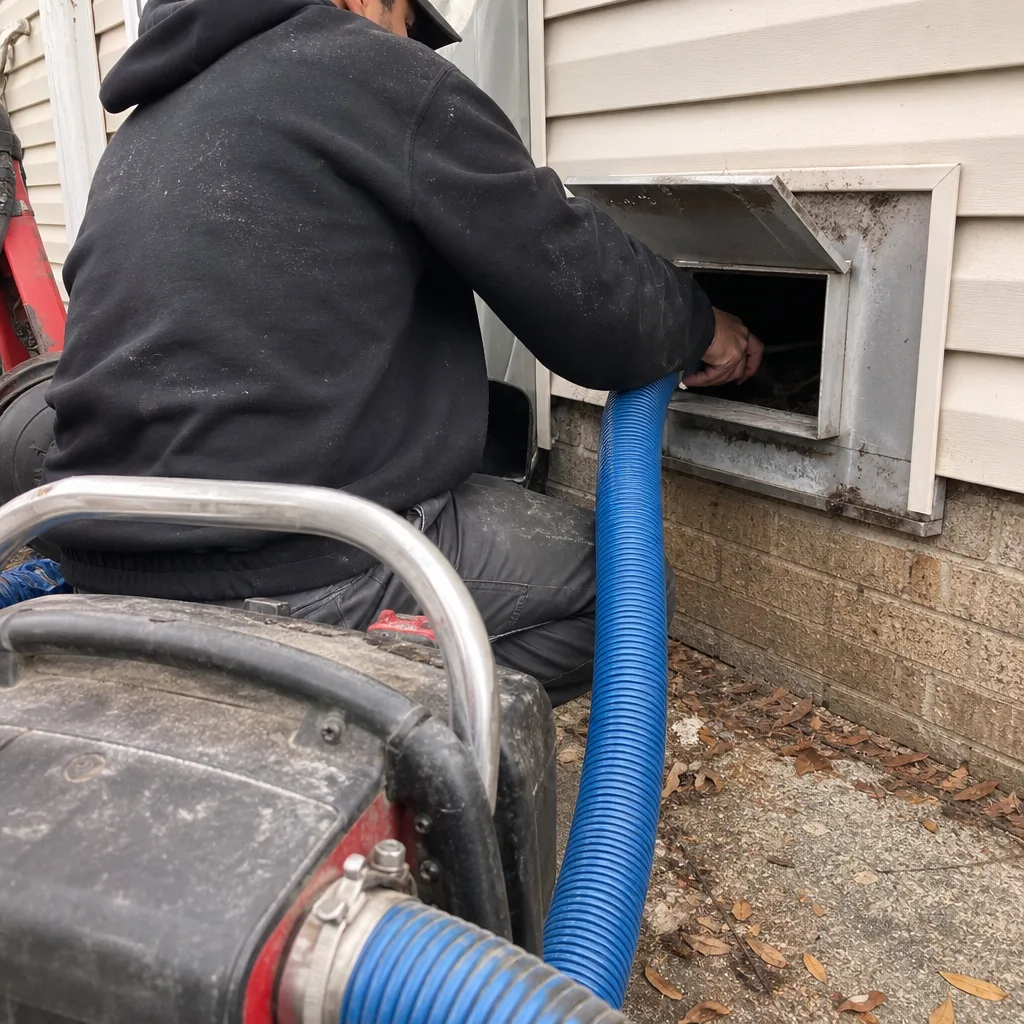 Before
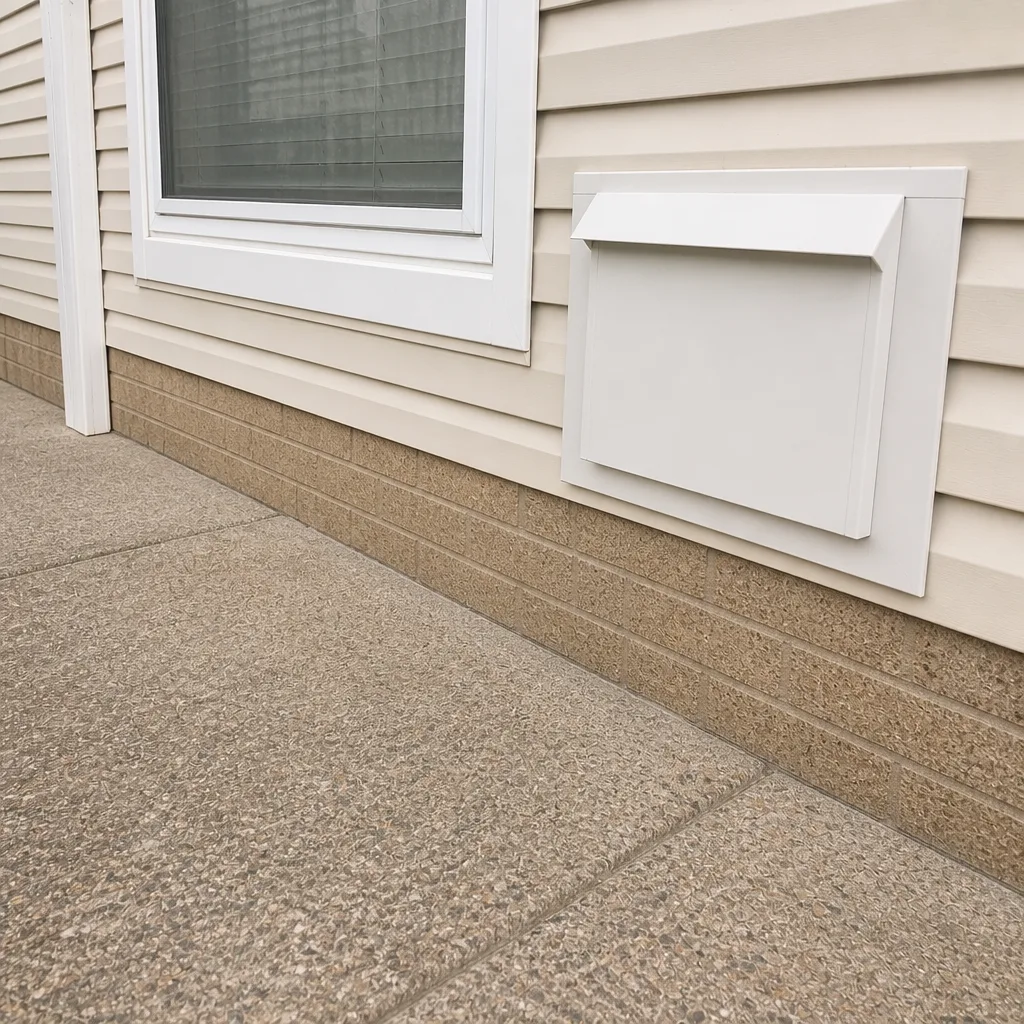 After
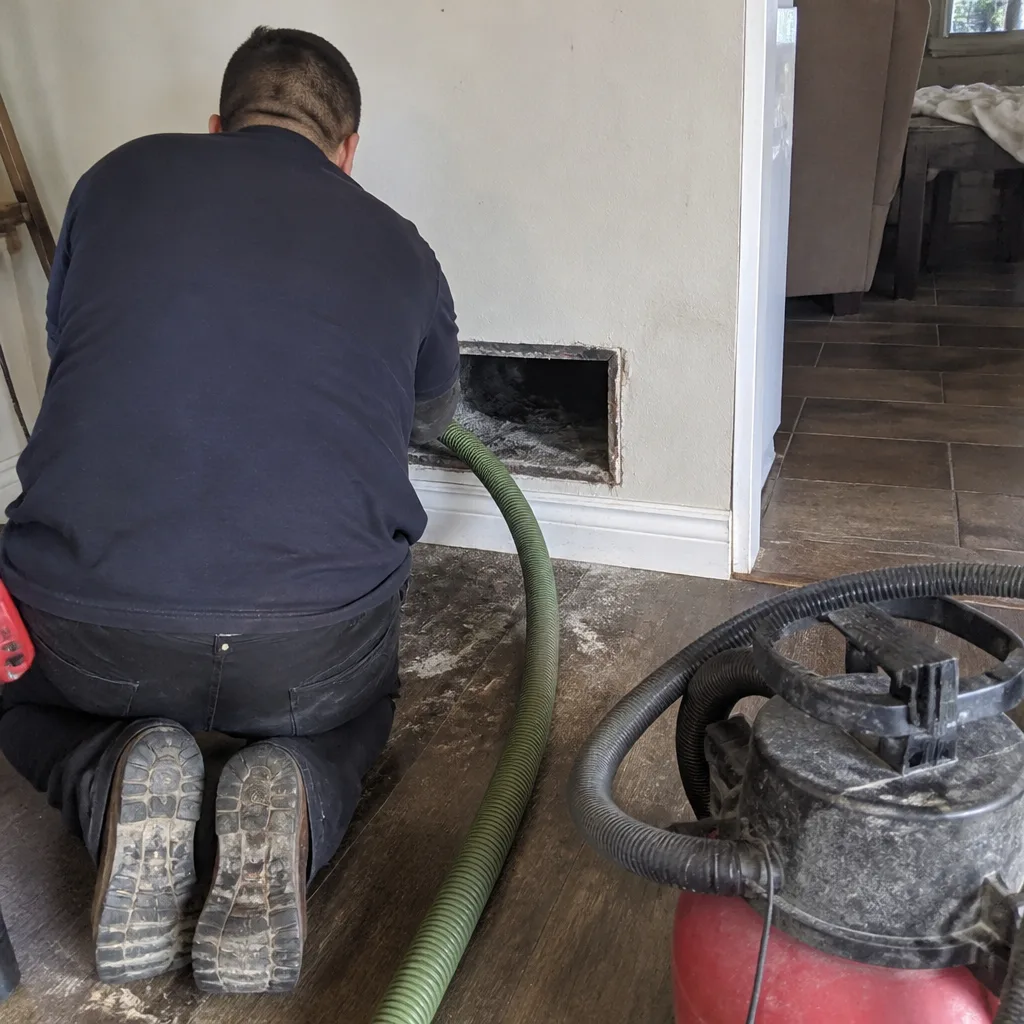 Before
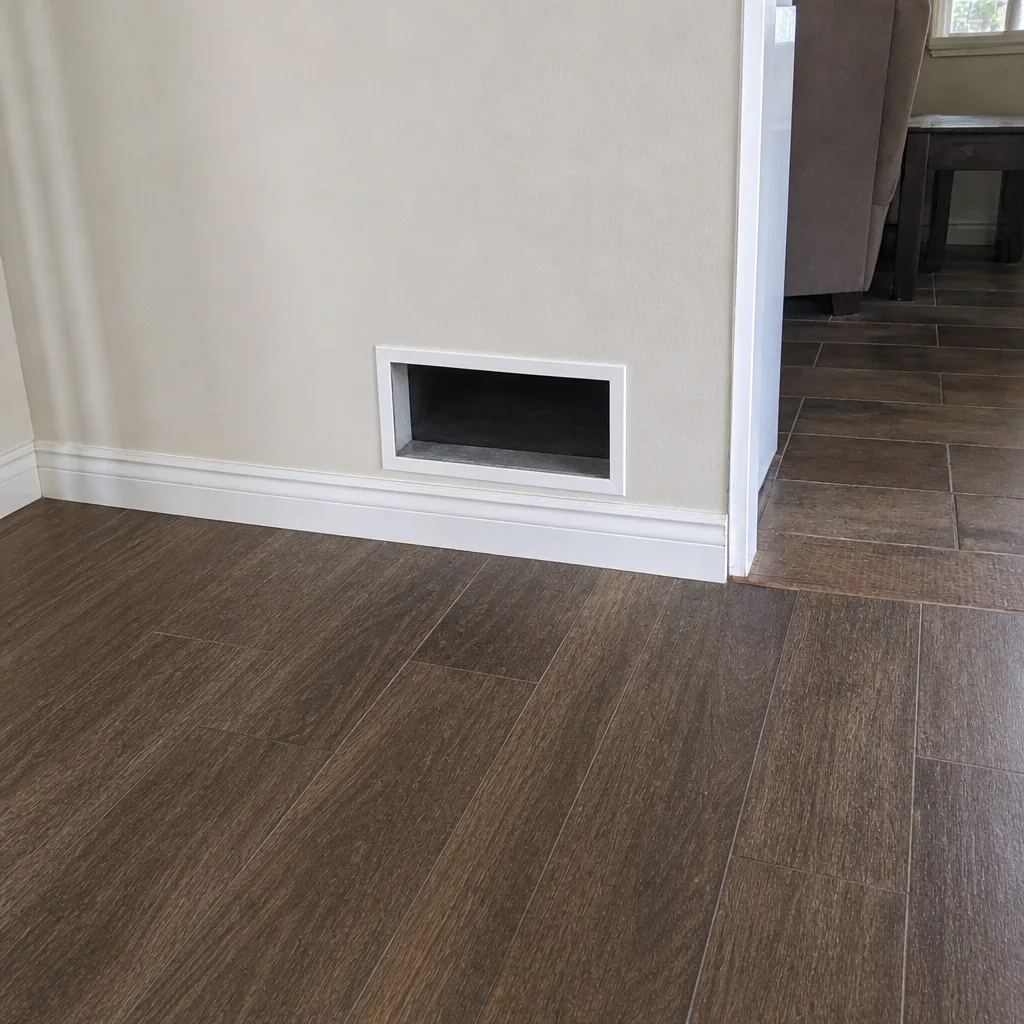 After
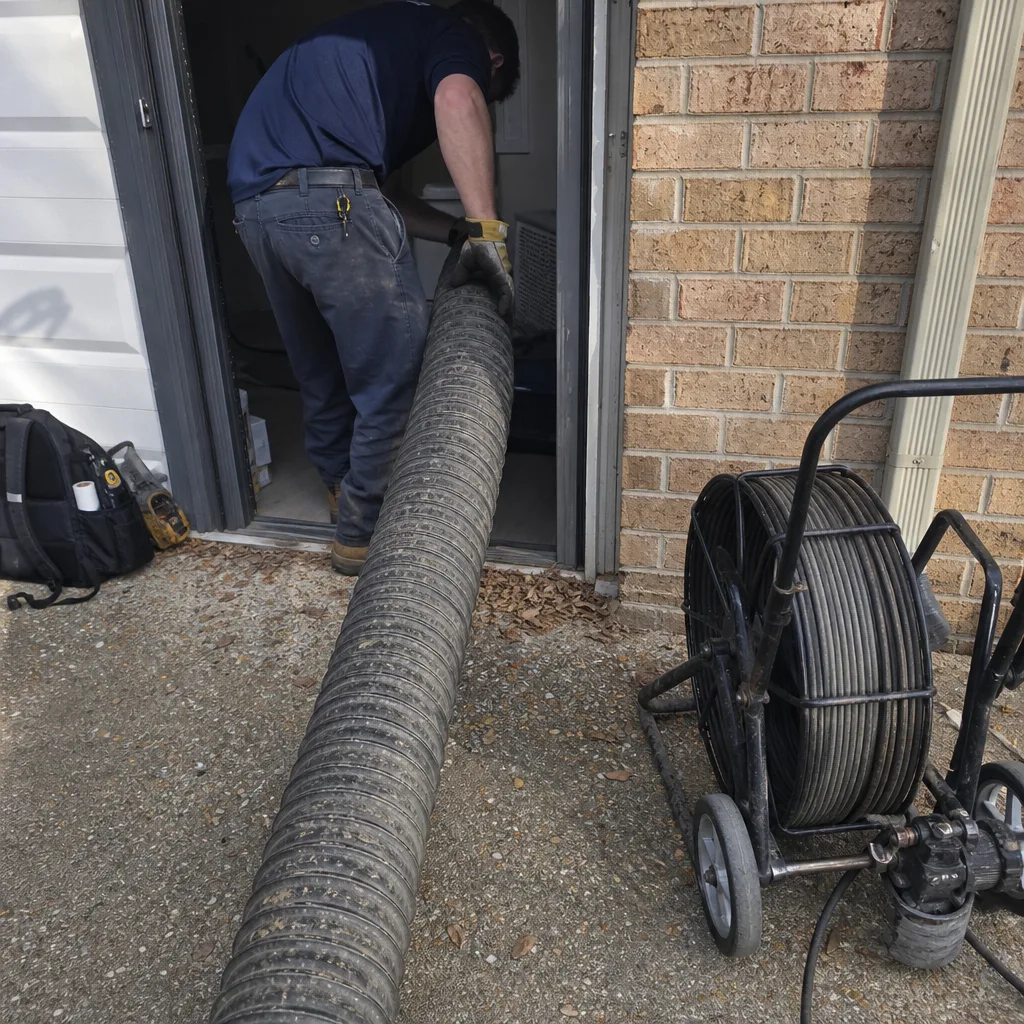 Before
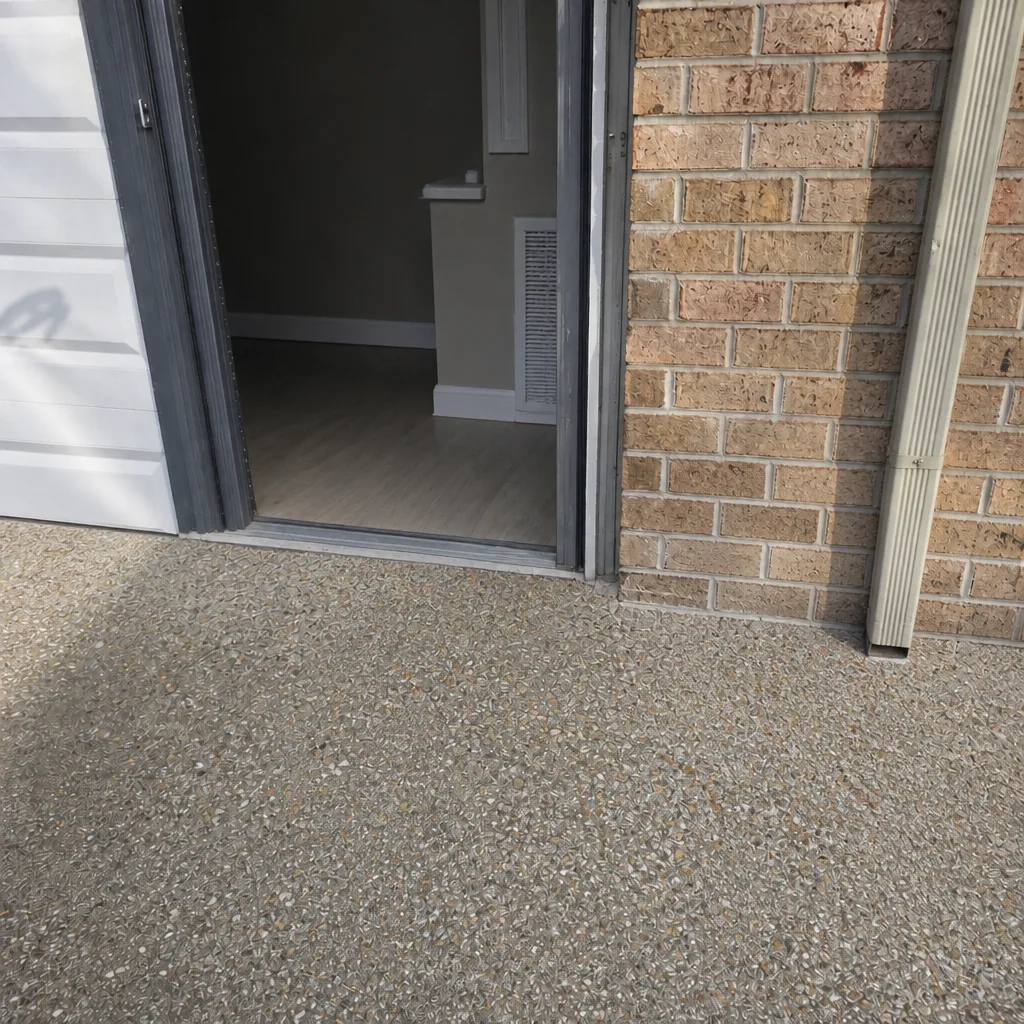 After
When to Call a Professional
Some findings are worth a call right away. Standing water in the condensate pan, a persistent musty smell at the returns, visible dark debris inside the ducts after the pull-test, a room that’s lost airflow, or a dryer that’s getting hotter or slower all warrant a professional look. Do not attempt to dismantle the air handler or open the blower compartment beyond a visual check; that’s work for a trained technician, and it involves electrical and mechanical components that can injure you. If you’ve never had the system inspected and you bought the home recently, start with a full inspection and a baseline log rather than a blind cleaning. Antioch Air Duct Cleaning Pros offers free estimates in Antioch. We use remediation-grade equipment, including Abatement Technologies filtration systems, so the results hold up to a real inspection. Call (833) 508-9940. We answer 24/7. Fast dispatch from 7am to 7pm.
Frequently Asked Questions
Most Antioch homes benefit from a professional assessment every two to three years, with cleaning performed when the condition calls for it rather than on a fixed annual schedule. Homes near construction, with pets, or with heavy spring pollen exposure may need cleaning more often. Let the pull-test and the visual inspection set the interval. Our technicians have up to 13 years of experience and can give you an honest read on whether your system actually needs cleaning right now. Call (833) 508-9940 for a free estimate.
The condensate drain pan and the blower compartment are the two most commonly skipped points. The drain pan catches moisture problems before they become water damage, and the blower wheel shows how much caked dust is choking your airflow. Neither is checked in most homeowner lists. Add both to your quarterly pass. If you see standing water or visible caking, call a professional rather than opening anything up yourself.
Because March is when airborne pollen peaks just as Antioch homes start running the cooling system hard. A system that already carries last year’s dust doesn’t get a clean start. Scheduling an inspection in late February or early March means the system is ready for the load instead of starting behind it. For anyone with seasonal allergies, this timing is the highest-leverage change you can make to the whole checklist. Call (833) 508-9940 to book a pre-pollen inspection.
You can handle the checks, the filter changes, and the grille pull-tests, but the actual cleaning requires equipment most homeowners don’t have. Contact cleaning and high-volume extraction need professional-grade machines like Rotobrush and Nikro systems to scrub and pull out debris rather than just blow it around. Doing it yourself without extraction tends to spread the problem. Get an estimate before you assume you can do it better with a shop vac. Estimates are free. Call (833) 508-9940.
Yes. A clogged dryer vent is a fire-safety issue, and grouping it with your duct checklist means neither gets forgotten. Check the lint screen monthly, the transition duct quarterly, and book a professional cleaning annually or whenever clothes take noticeably longer to dry. Creating one calendar for both is simpler than maintaining two. Call (833) 508-9940 for a free estimate on dryer vent cleaning.
Keep the date, what was serviced, the debris condition found, the equipment used, any repairs or sealing performed, and before-and-after photos of your own ducts. A condition description matters more than the date alone, because the next technician can see how fast the system is loading. This turns every future visit into a comparison instead of a fresh start. Ask the technician for the photos and write down what you see. If you don’t have a log yet, start one today. Call (833) 508-9940 to schedule an inspection that gives you a baseline.
The Bottom Line
A maintenance checklist works when it’s a diagnostic calendar, not a reminder. Monthly filter and drain-pan checks catch the fast-moving problems. Quarterly visual inspections of the grille seals and blower compartment catch the slow ones. The annual pass, timed to Antioch’s March pollen and the July-August humidity window, ties it together. The one-minute grille pull-test gives you a real read on debris load without tools. Fold dryer vent inspection into the same rhythm, and log what you find after every professional cleaning so the next technician starts with facts. The system tells you what it needs if you’re looking. If you’d rather have a trained eye do the looking, our team is here. Call (833) 508-9940 for a free estimate, or reach out through Antioch Air Duct Cleaning Pros to schedule.
Written by the team at Antioch Air Duct Cleaning Pros.