
Last updated November 22, 2026
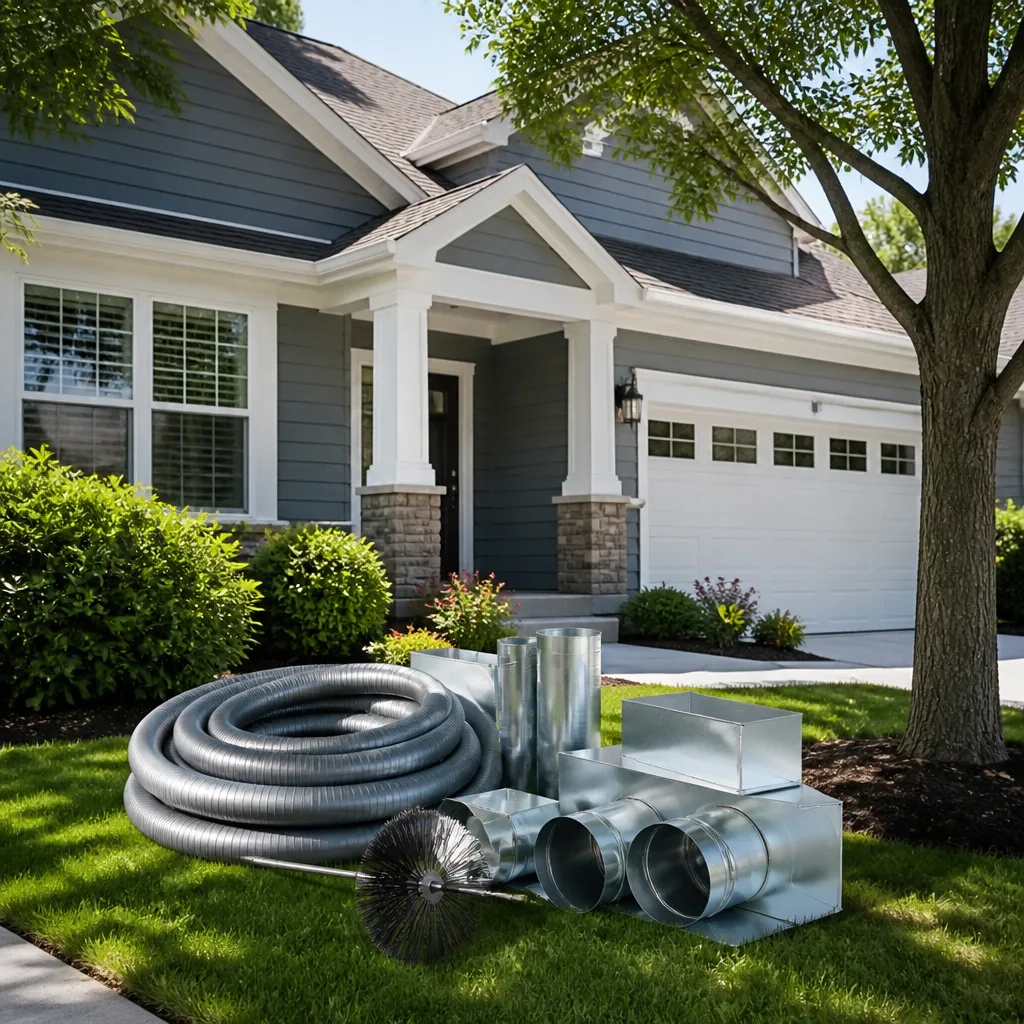 Whole-home duct cleaning
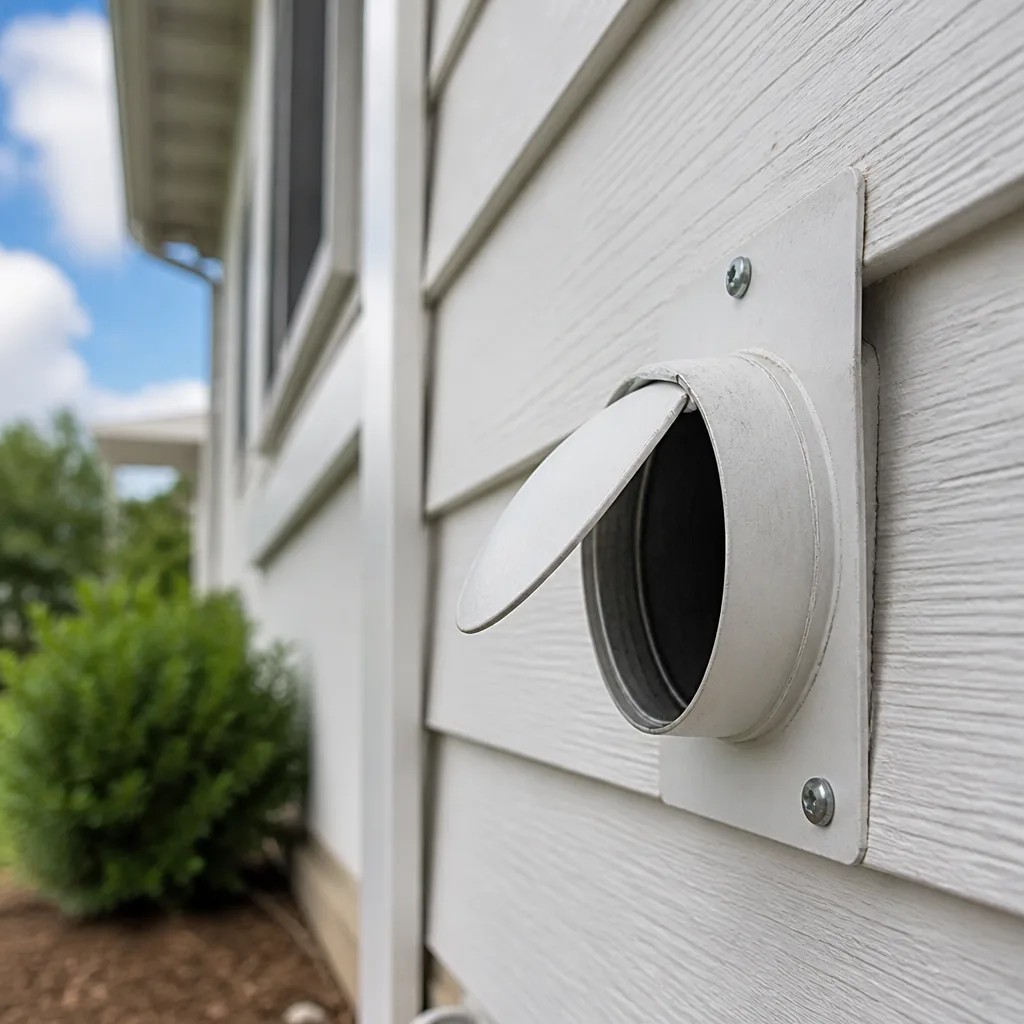 Dryer vent cleaning
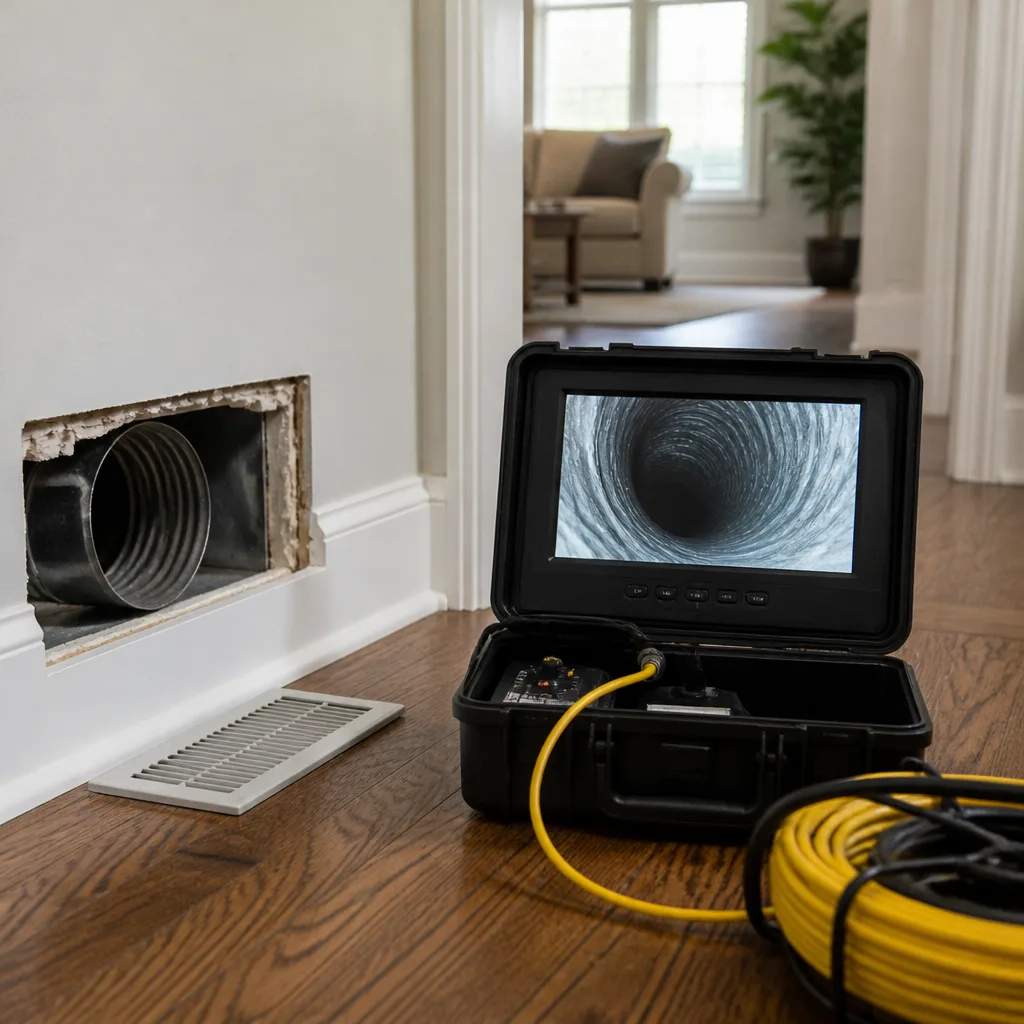 Camera inspection
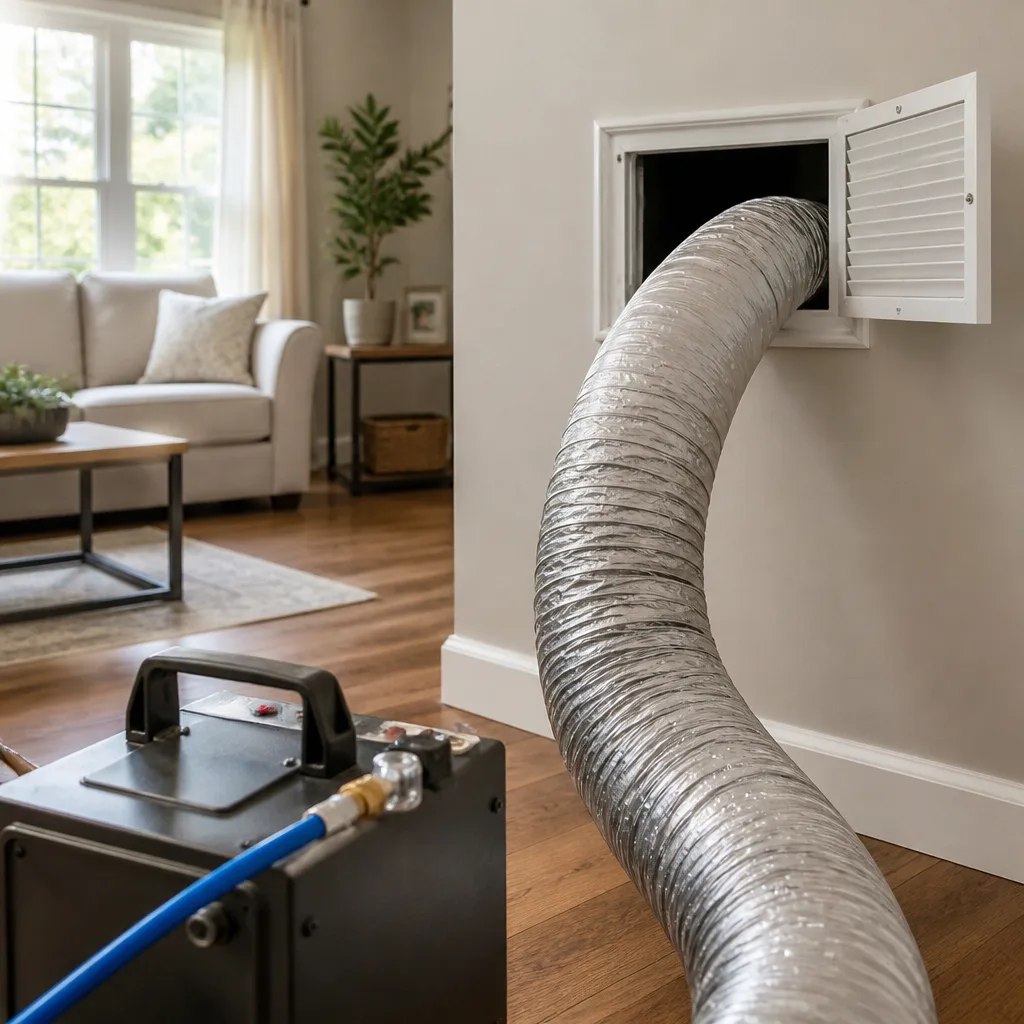 Sanitizing & deodorizing
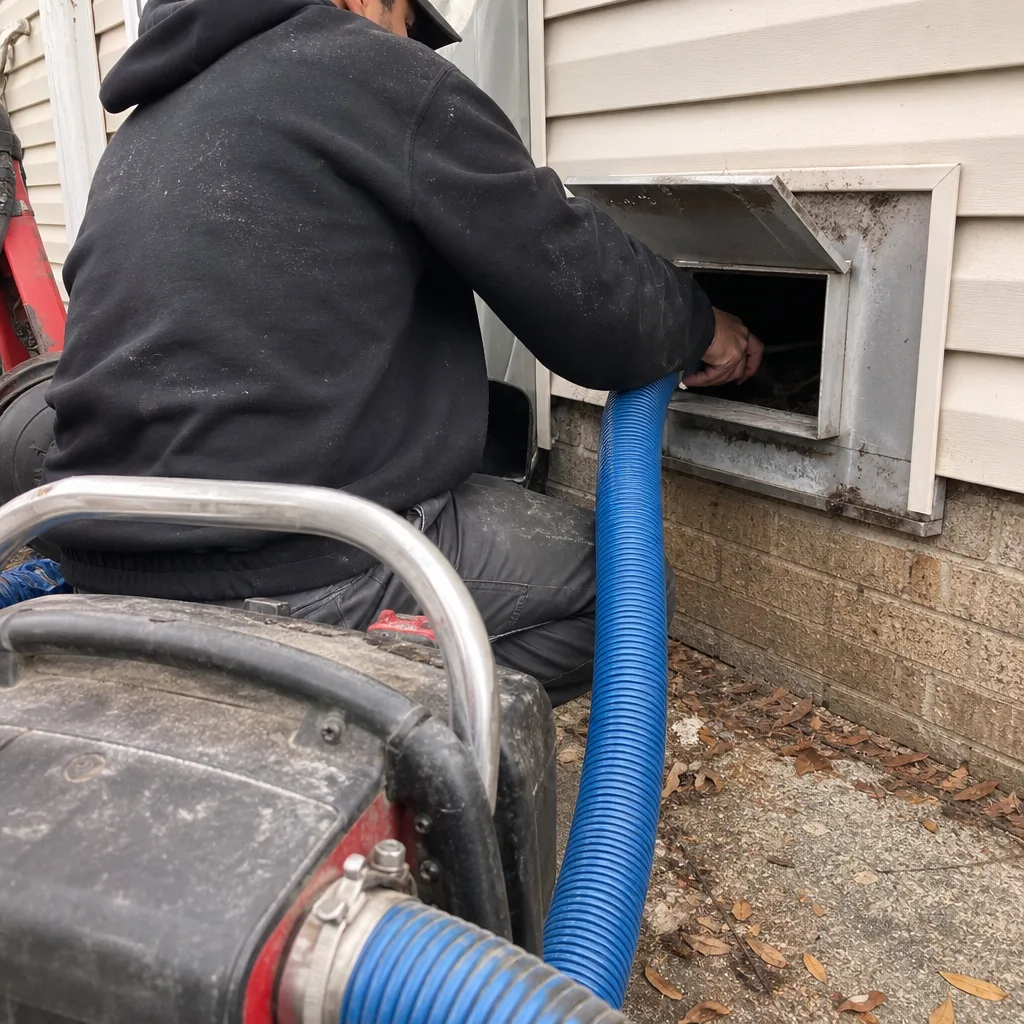
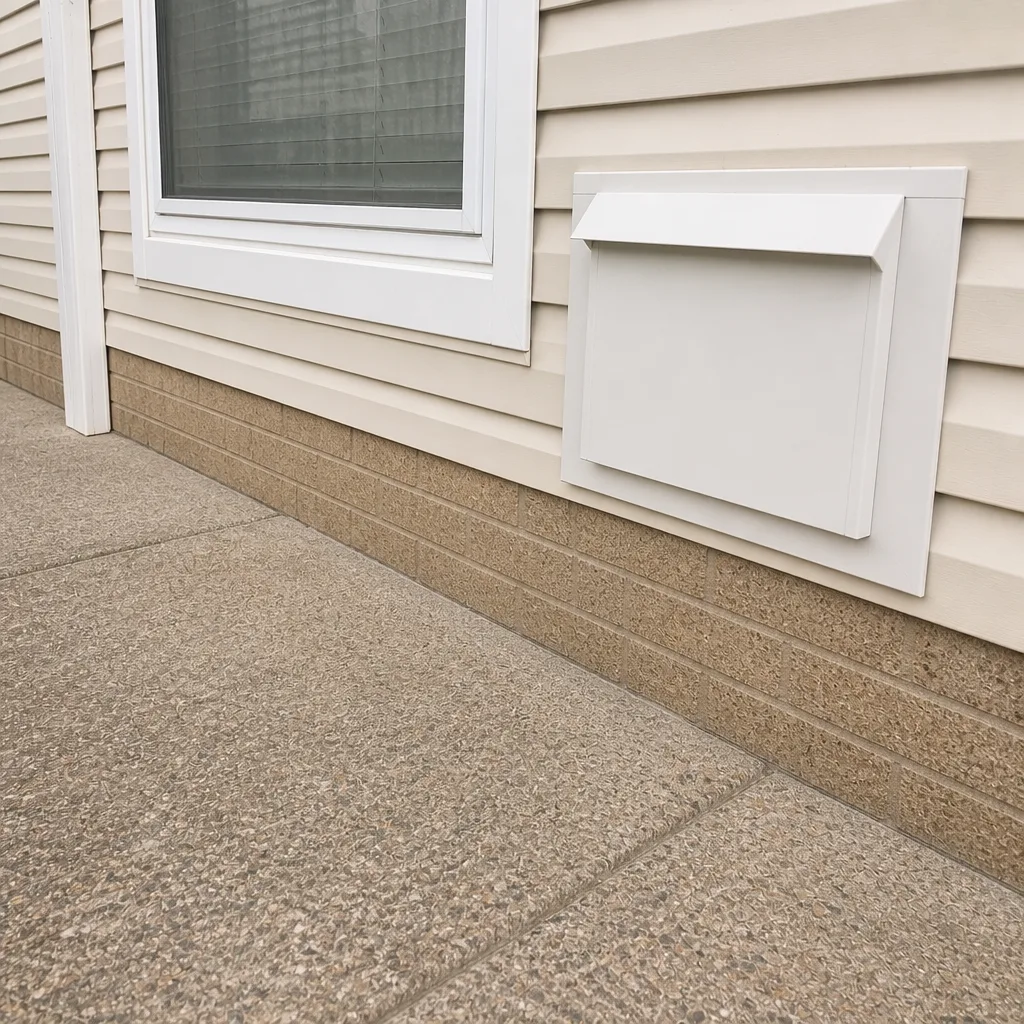
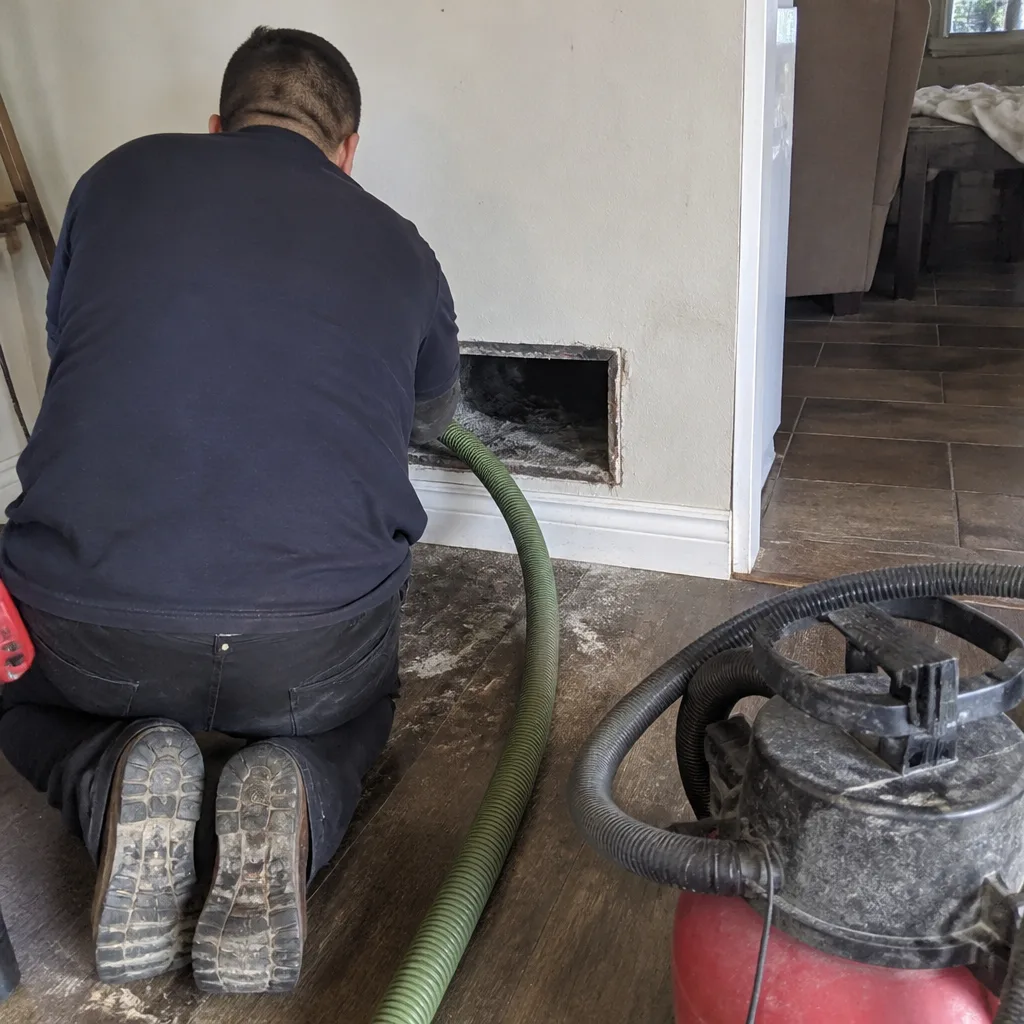
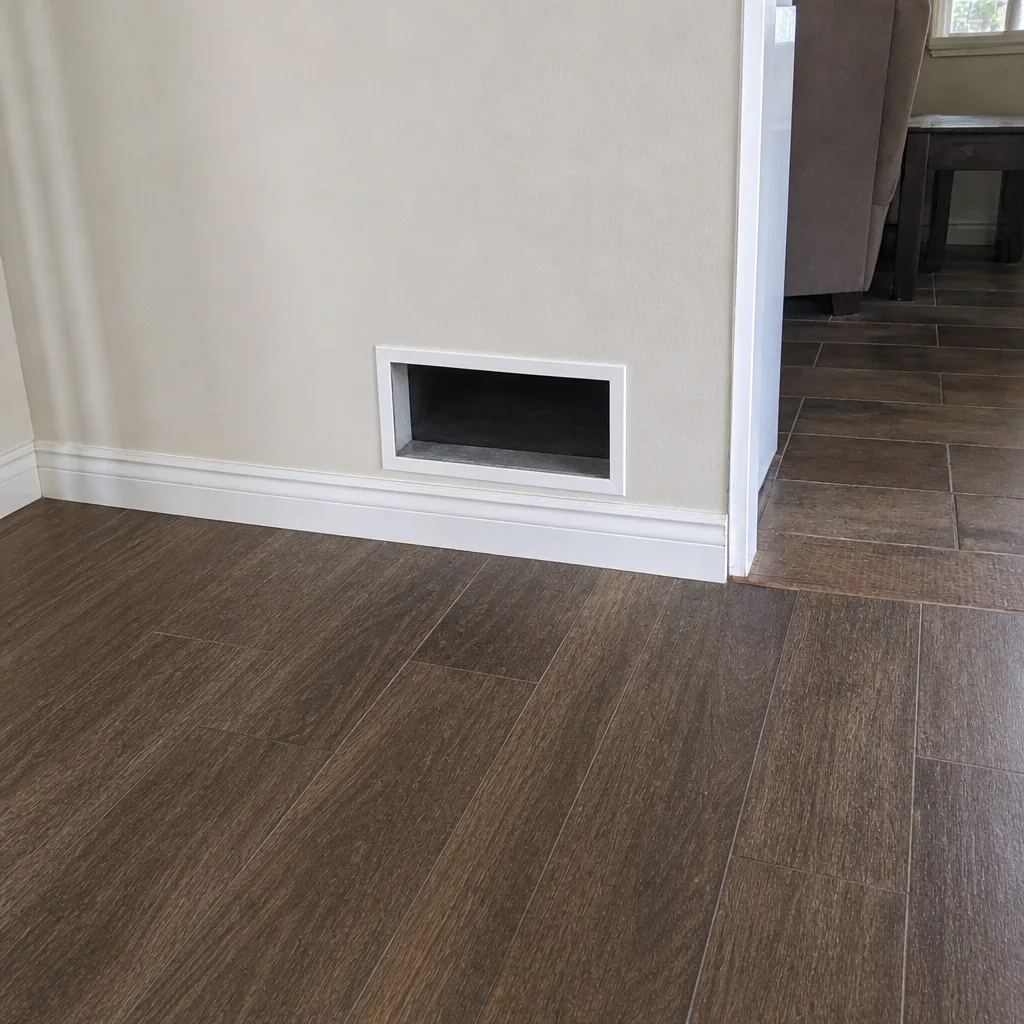
Whole-system duct and dryer vent check with before-and-after photos - you see exactly what came out of your vents
That "$99 whole-house special" is a bait ad - the real number appears once they are in your hallway, or the "clean" is a shop-vac at the register. We photograph the inside of your ducts before and after instead.
DIY vs Professional Air Duct Cleaning: The Antioch Homeowner’s Decision Guide
Here’s the part most cleaning articles skip. A six-gallon shop vac pulls roughly 100 cubic feet per minute of suction. A professional truck-mounted duct cleaning system moves 10,000 to 16,000 CFM. That’s not a small gap you can close with a better nozzle or more patience. It’s a hundredfold difference in extraction force, and it decides most of this argument before technique ever enters the picture. This guide walks through what DIY duct cleaning actually handles well, where it quietly fails, why Antioch homes with crawlspace duct runs deserve special caution, and how to run the real cost math so you can pick the right path for your house.
Quick Answer
For most Antioch homeowners, DIY air duct cleaning is worth it only for surface tasks: vacuuming grilles, wiping accessible return boxes, and upgrading filters. Real source removal inside the ductwork needs extraction force and contact agitation that consumer equipment can’t produce. If you’ve had a renovation, a verified mold problem, rodent activity, or more than five years without a service, professional cleaning isn’t optional.
Styles & brands we work with
- Whole-home duct cleaning
- Dryer vent cleaning
- Camera inspection
- Sanitizing & deodorizing
Table of Contents
- The Physics Problem: Why Suction Matters More Than Technique
- What DIY Duct Cleaning Actually Handles Well
- The Negative Pressure Problem in Flex Duct
- Why Antioch Crawlspace Duct Runs Resist DIY
- When Professional Cleaning Isn’t Negotiable
- Running the Real Cost Comparison
- Bait-and-Switch: How to Tell Real Duct Cleaning From a Sales Pitch
- Common Mistakes to Avoid
The Physics Problem: Why Suction Matters More Than Technique
Duct cleaning is a source-removal job. The goal is to physically dislodge settled debris and pull it out of the system, not to stir it into the air where it settles again an hour later. That distinction is where the shop vac versus truck-mounted system gap becomes decisive.
A standard shop vac generates about 100 CFM of suction at the hose. A professional extraction unit moves 10,000 to 16,000 CFM. That’s not just more powerful. It’s a completely different class of machine, one designed to hold negative pressure on an entire duct run so that loosened debris has nowhere to go but into the collection system. Consumer machines can’t hold negative pressure across a whole run. They can only remove what’s directly at the nozzle tip.
Here’s the practical consequence. When you run a shop vac through a duct, you remove maybe the top layer of dust directly under the hose. The compacted debris along the bottom of the trunk line, the material wedged into seams, and anything past the first elbow stays put. Professional equipment from Rotobrush uses contact agitation, meaning brushes physically scrub the duct walls while the extraction system pulls the loosened material out. That’s the difference between cleaning the duct and touching it. Our technicians have up to 13 years of experience, and in that time the single most common thing they find after a DIY attempt is that the homeowner cleaned the first few feet and never got past the elbow.
What DIY Duct Cleaning Actually Handles Well
We don’t want to talk anyone out of the work that genuinely pays off. There’s a real boundary where homeowner effort produces good results, and it’s worth naming it clearly.
- Grille and register cleaning. Removing the faceplate, washing it in soapy water, and vacuuming the opening gets rid of the visible dust that actually blows into your rooms every cycle. This is 80% of what most homeowners see.
- Accessible return box wipe-downs. The return air plenum behind your filter is often a dust trap. A damp rag and a HEPA vacuum on the accessible interior surface is a legitimate improvement.
- Filter upgrades. Swapping a cheap fiberglass filter for a proper pleated one is the single highest-return ten-minute task in home air quality. Look at your filter slot width before you buy, and use the MERV rating your system’s blower is rated to handle.
- Around the outdoor unit. Keeping the outdoor condenser fins clean and clear of leaves helps airflow. Nothing to do with ducts, but it’s part of the same system and it’s free.
Notice what’s missing from that list: anything inside the duct run itself. The moment you’re past the grille opening and into the trunk or branch line, the physics stops working in your favor. If your home’s air quality concerns start and end with visible dust on the grilles, DIY is the right call and you’ll save money. If you’re wondering what’s happening in the run itself, that’s a different conversation. Our air duct cleaning page covers what a full-system inspection includes.
The Negative Pressure Problem in Flex Duct
Most Antioch homes built in the last few decades have flexible duct branches running from a central trunk to individual registers. That construction is fine. What isn’t fine is what happens when a consumer brush-and-vacuum kit goes through it.
A flex duct is a corrugated plastic sleeve over a wire helix. Inside, it’s ribbed. Debris settles into the ribs and along the low side of each sag between supports. When a consumer brush is pushed through, the brush knocks material loose from the wall, but there’s no extraction pressure behind it. The loose material drops, then the fluid dynamics of the duct run push it downstream toward the register end, where it either settles further or gets blown into the room. That’s the negative pressure problem in plain terms: without extraction pressure at the far end of the duct, dislodging debris is worse than leaving it.
Professional systems solve this by setting up a pressure differential across the entire branch line before agitation starts. The Rotobrush contact brush runs through the duct while the extraction unit holds suction at the register end, so material moves out, not deeper. That’s also why a real cleaning takes longer than people expect. It’s not a pass-through; it’s a controlled extraction.
The worst-case scenario with DIY in flex duct is the one nobody warns about: a homeowner forces a brush past a sag and the duct liner tears. Now you have a duct with an inner tear that catches every bit of debris that flows past and can’t be cleaned out. Replacing a branch line costs far more than a professional cleaning would have. When in doubt, stay out of the branches.
Why Antioch Crawlspace Duct Runs Resist DIY
A meaningful share of Antioch housing stock routes ductwork through crawlspaces rather than through an attic or a conditioned interior chase. That configuration changes the DIY calculation for two reasons.
The first is access. A crawlspace duct run means working on your belly in limited clearance, in the dark, with a shop vac hose that’s much less maneuverable than it is in a basement. Reaching the far end of a trunk line run at the wrong end of a crawlspace is physically uncomfortable, and most homeowners stop well before they’ve covered the run. In our experience across Antioch, that’s where DIY coverage drops off sharply: the first ten feet from the access get cleaned, and the rest gets skipped.
The second is moisture. Crawlspaces in this part of Tennessee hold humidity, and duct runs sitting close to a damp vapor barrier or a wet soil surface pick up condensation on the outside of the duct. Inside, if a duct has ever had condensation drip past the insulation layer, you can end up with a damp liner environment where biological growth takes hold. DIY attempts in that environment can aerosolize spores without actually removing the source. Wet, damp, or musty-smelling duct interiors are a stop sign on DIY. Professional remediation-grade equipment from Abatement Technologies is built for that class of work: containment and filtration first, cleaning second. If you notice a musty smell when the system kicks on, have it looked at before you touch it.
Antioch’s neighborhoods range from older single-story homes with long crawlspace runs to newer construction on slab. Both benefit from a proper duct inspection before you decide cleaning is needed at all. Cane Ridge, Rural Hill, and the neighborhoods closer to Percy Priest all sit in a climate zone where HVAC systems run hard through long cooling seasons. All that run time pushes dust through the system year-round.
When Professional Cleaning Isn’t Negotiable
Some situations are not a “maybe.” They’re a call. In each of these cases, the source of the contamination is larger than what any consumer tool can remove, and the diagnostic work matters as much as the cleaning itself.
- Post-renovation debris. Drywall dust, sawdust, fiberglass fibers, and construction adhesive residue coat the inside of duct runs after a renovation. That material is fine enough to pass through many filters and heavy enough to settle in ducts for years. Professional cleaning after a major renovation is the standard recommendation.
- Verified mold growth inside the ductwork. Mold inside a duct means a moisture source exists somewhere in the system. Cleaning without finding and fixing that source is temporary at best. Duct repair and sealing work often pairs with mold treatment because the fix is sealing the leak that let moisture in.
- Rodent intrusion. Rodents in ducts leave droppings, nesting material, and contaminated insulation. This is remediation work, not cleaning work. The duct system needs proper containment, removal, and often sanitizing afterward. Don’t run the system until it’s been addressed.
- More than five years without a service. If you’ve owned the home for five or more years and never had the duct system inspected, the accumulated debris load is likely beyond what a shop vac can address. A professional inspection will tell you what’s actually built up.
- Recent home purchase. You don’t know the previous owner’s maintenance history. An inspection and cleaning gives you a baseline. Our HVAC cleaning service covers the air handler and coil as well, which is where most of the accumulated biological growth actually lives.
One related service that gets overlooked in these conversations: dryer vent cleaning. The lint that builds up in a dryer vent is a documented fire hazard, and it’s the same class of job as duct cleaning but with different risks. Our dryer vent cleaning is offered as a dedicated safety service because the consequences of skipping it are different from the consequences of having dusty ducts.
Running the Real Cost Comparison
Homeowners often compare DIY duct cleaning to professional cleaning on the sticker price of a shop vac and a brush kit versus a professional estimate. That math leaves out most of the real cost. Here’s the honest comparison framework.
- Equipment cost. A shop vac you already own is free. A consumer duct brush kit runs $30 to $150 depending on what you buy. A rental shop vac with better suction runs higher per day.
- Time cost. A full professional cleaning of an average Antioch home takes a trained crew two to four hours. Doing it yourself at home-comfort speed takes substantially longer, and most of that time is spent on the parts you can’t actually clean well.
- Result probability. This is the number most people skip. The probability that DIY actually removes the debris from the far end of a trunk line is low, because the physics doesn’t support it. If the job doesn’t get the material out, you paid in time and equipment for an incomplete result and will need professional service later.
- Risk cost. Torn flex duct liner, dislodged insulation, a shop vac burning out after a hard day, or a water-damage situation discovered mid-DIY. Each has a real repair cost.
The realistic math: DIY is worth it for the grille-and-filter tasks. For the actual ductwork cleaning, the effective cost of a failed DIY attempt (time, gear, cleanup, plus the professional service later) usually exceeds the professional cleaning cost. When you factor in that our technicians have up to 13 years of experience doing the work, the labor savings from doing it yourself against the probability of incomplete results rarely works out.
Professional cost also varies by home. Single-story home with a compact duct layout and clean access is the cheaper end. Multi-story home with long crawlspace runs and multiple returns is the higher end. The written estimate you receive before work starts is the number that matters. No per-vent pricing, no bait-and-switch coupon price that becomes a bigger invoice once the technician is on the property.
Bait-and-Switch: How to Tell Real Duct Cleaning From a Sales Pitch
This is the part of the industry that earned its reputation problem. A low advertised price brings a technician out, and once they’re on-site the price becomes a negotiation. We think homeowners should be able to vet that before it happens, so here’s how to spot the difference.
- Ask what “one flat price per system” means. A real provider quotes a whole-system price based on the number of systems, not the number of vents. Per-vent pricing invites the upsell spiral.
- Ask what equipment they use. Truck-mounted or professional-grade extraction with contact agitation, and specific brand names you can verify. Rotobrush and Nikro are industry-standard systems for real cleaning; if the answer is “a special vacuum,” keep asking questions.
- Ask to see before-and-after photos of your own ducts. Not stock photos. Not “here’s what typical ducts look like.” Your registered duct run, photographed before and after. Any legitimate provider offers this.
- Ask for the written estimate before work starts. Not after. Not “we’ll see what we find.” The estimate locks the price.
- Ask about IAQ products only after the cleaning scope is set. Air quality upgrades are worth discussing. That discussion is legitimately part of the service if providers know the products. Honeywell and Aprilaire filtration systems are widely used and worth understanding. The problem is when they’re used as a hard upsell on a low-price cleaning visit.
Our Antioch Air Duct Cleaning Pros pricing model is one flat price per system, agreed before work begins, with photos of your own ducts. We offer a satisfaction guarantee on the work and free estimates. The local pro we connect you with is licensed and insured as the state requires.
Common Mistakes to Avoid
- Assuming interior vacuum cleaning is the whole job. The dust on your grille is not the dust in your duct. Cleaning only the registers is like dusting the outside of a filing cabinet.
- Running a shop vac with no HEPA filtration. A standard shop vac exhausts fine particles back into the room. If your goal is air quality, a HEPA-rated vacuum or professional containment matters more than suction volume.
- Buying a brush kit for a flex duct system. Consumer brushes work acceptably on hard rectangular duct. In flex duct, they tear liners and push debris downstream. Skip them.
- Cleaning the ducts without first changing the filter. A loaded filter starves the system of airflow and drives debris settling in the duct. Change the filter before any inspection so the system is running clean.
- Ignoring the dryer vent while cleaning everything else. Dryer vent lint is a fire load, and it accumulates faster than duct dust in a busy Antioch household with a family-sized laundry load. It deserves its own dedicated cleaning, not a pass with the shop vac.
- Assuming a musty smell is “just old house smell.” In a crawlspace home in this climate, musty smell on system startup is a moisture signal. Look at it before you clean, not after.
- Skipping the HVAC coil and air handler. Cleaning the ducts but leaving a fouled evaporator coil is half a job. Most of the biological load lives at the coil and drain pan, not just in the ducts.
See the difference
 Before
 After
 Before
 After
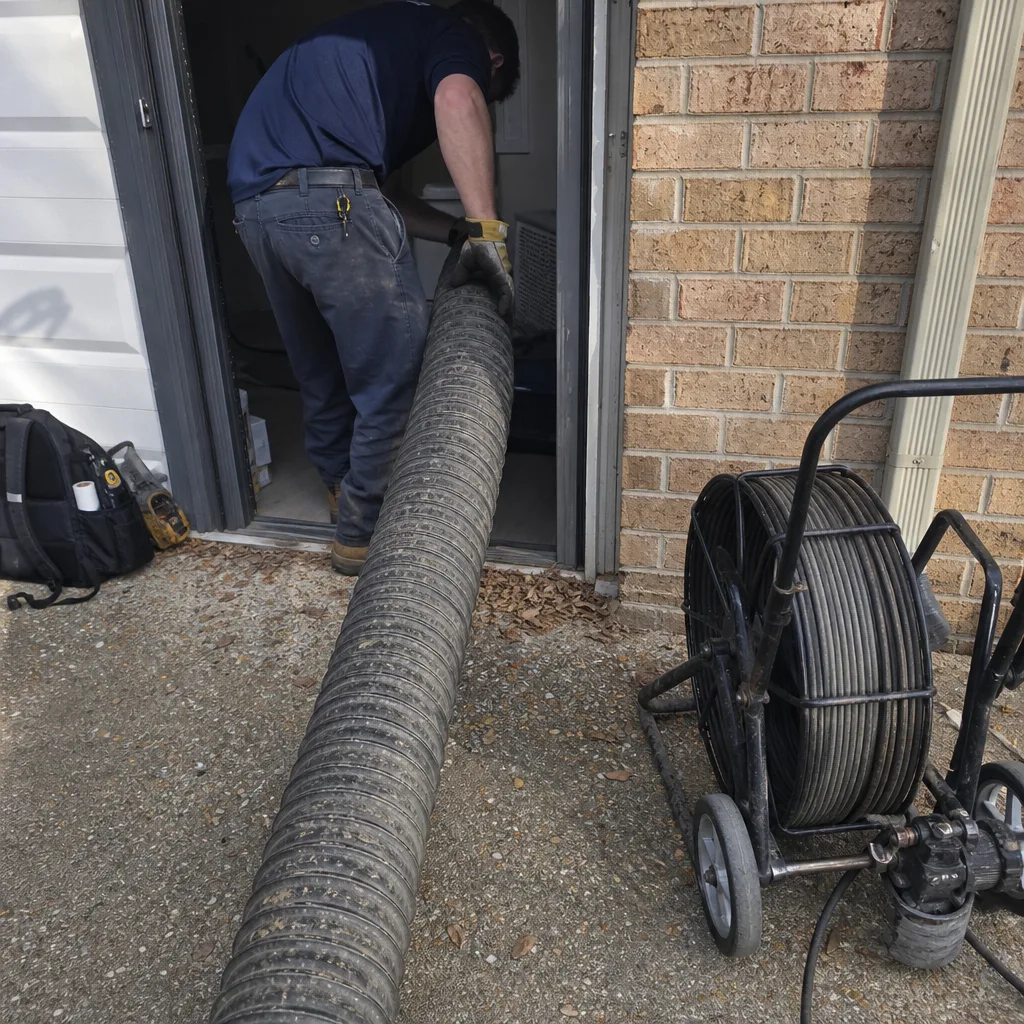 Before
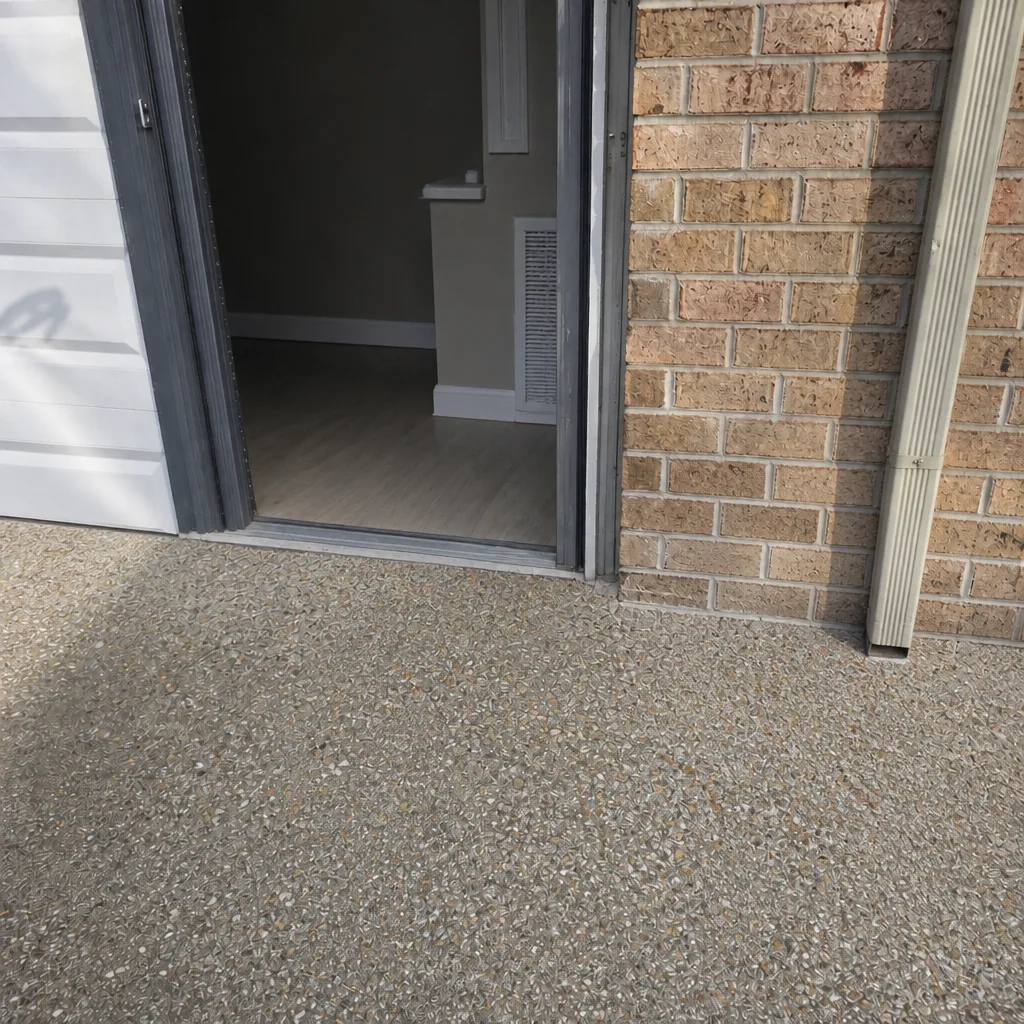 After
When to Call a Professional
Call for professional air duct service in Antioch if any of these are true: the home has had significant renovation in the last two years, there’s verified or suspected mold growth, you’ve found rodent activity in or near the ductwork, the system hasn’t been serviced in over five years, you’ve just purchased the home and want a baseline, or you’re concerned about air quality for a family member with respiratory sensitivities. In every one of those cases, what’s required is more than cleaning: a professional inspection and a remediation-grade approach.
Antioch Air Duct Cleaning Pros offers free estimates in Antioch. Call (833) 508-9940. We answer 24/7. Fast dispatch from 7am to 7pm, Sunday through Friday. The written estimate you receive sets the price, no surprises once a technician is on-site.
Frequently Asked Questions
Antioch air duct cleaning costs $300 to $700 for a typical single system on one-story homes in this area, and $450 to $900 or more for multi-story homes with multiple systems and long crawlspace runs. The final price depends on system count, accessibility, and whether the air handler and coil are included. Our written estimate sets the final price, and it’s free. Call (833) 508-9940 for an exact quote; estimates are free.
You can clean the grilles, accessible return boxes, and the filter slot. What you can’t effectively clean with a shop vac is the inside of the duct run, because consumer suction is roughly 100 times weaker than professional truck-mounted extraction. If the goal is grille and filter maintenance, DIY works. If the goal is removing debris from the ductwork itself, it doesn’t. Call (833) 508-9940 to talk through what your particular system needs.
Cheap quotes are usually priced per vent with claims of a coupon or “starting at” price that balloons once the technician is on-site. Real duct cleaning is priced per system based on what’s actually in the ductwork. A price that seems too good is almost always a foot-in-the-door number that grows into a much larger invoice. Call us and ask for our whole-system written estimate before any work begins. Estimates are free.
Ask for before-and-after photos of your own ductwork, not stock images. A real cleaning leaves visible evidence. We provide those photos on every job, along with a written estimate that matched the final invoice. If a provider can’t produce photos of the specific registers in your home, that’s a signal to find someone else. Call (833) 508-9940 for a free estimate.
Most homes need it every three to five years. Homes with indoor pets, active allergy sufferers, recent renovation, or a recent move should consider it sooner. Homes that haven’t been serviced in more than five years are past due by most industry guidance. In our experience, homes with long crawlspace runs in the Antioch area tend to need it on the shorter end. Call us to talk through your home’s specifics; estimates are free.
Professional cleaning uses contact agitation combined with high-volume extraction, so debris is scrubbed off the duct wall and pulled out of the system under sustained negative pressure. Consumer brush kits agitate debris but don’t extract it, which means material ends up pushed deeper into the run or blown into the room. That difference is why kits work acceptably on short, accessible hard-duct runs and fail on flexible ductwork. Call (833) 508-9940 to discuss what type of ductwork your home has.
The Bottom Line
DIY duct cleaning is worth it for grilles, filters, and accessible return boxes, and it’s worth avoiding for the inside of the duct run itself. The physics gap between a shop vac and professional extraction is too large to close with technique, and the failure mode of pushing debris deeper is worse than leaving it. Antioch homes with crawlspace runs and long flexible branches are especially poor DIY candidates. If you’ve had a renovation, a mold finding, a rodent problem, or more than five years without service, professional cleaning is the right path. For a free estimate and a real conversation about your home’s system, call Antioch Air Duct Cleaning Pros at (833) 508-9940. Our technicians have up to 13 years of experience and use Rotobrush and Nikro equipment, not consumer-grade substitutes.
Written by the team at Antioch Air Duct Cleaning Pros.