
Last updated November 22, 2026
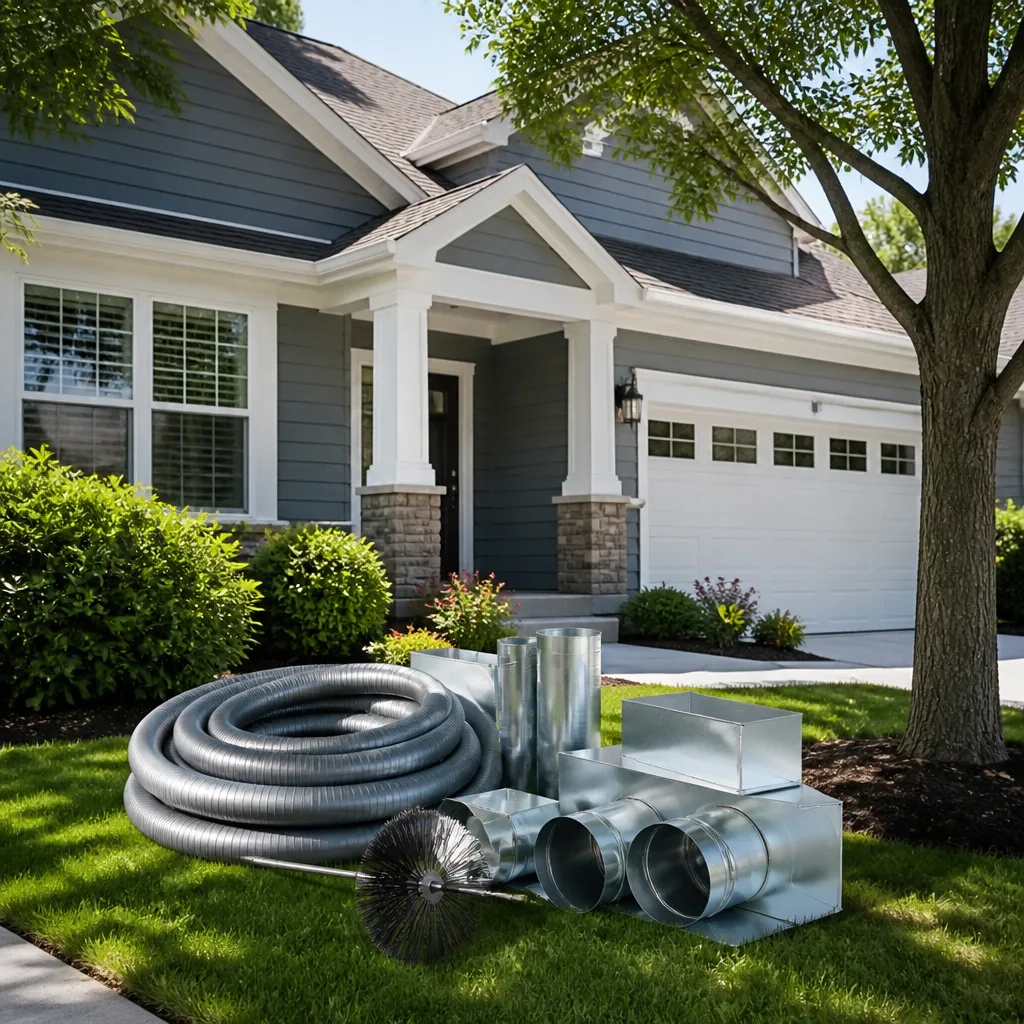 Whole-home duct cleaning
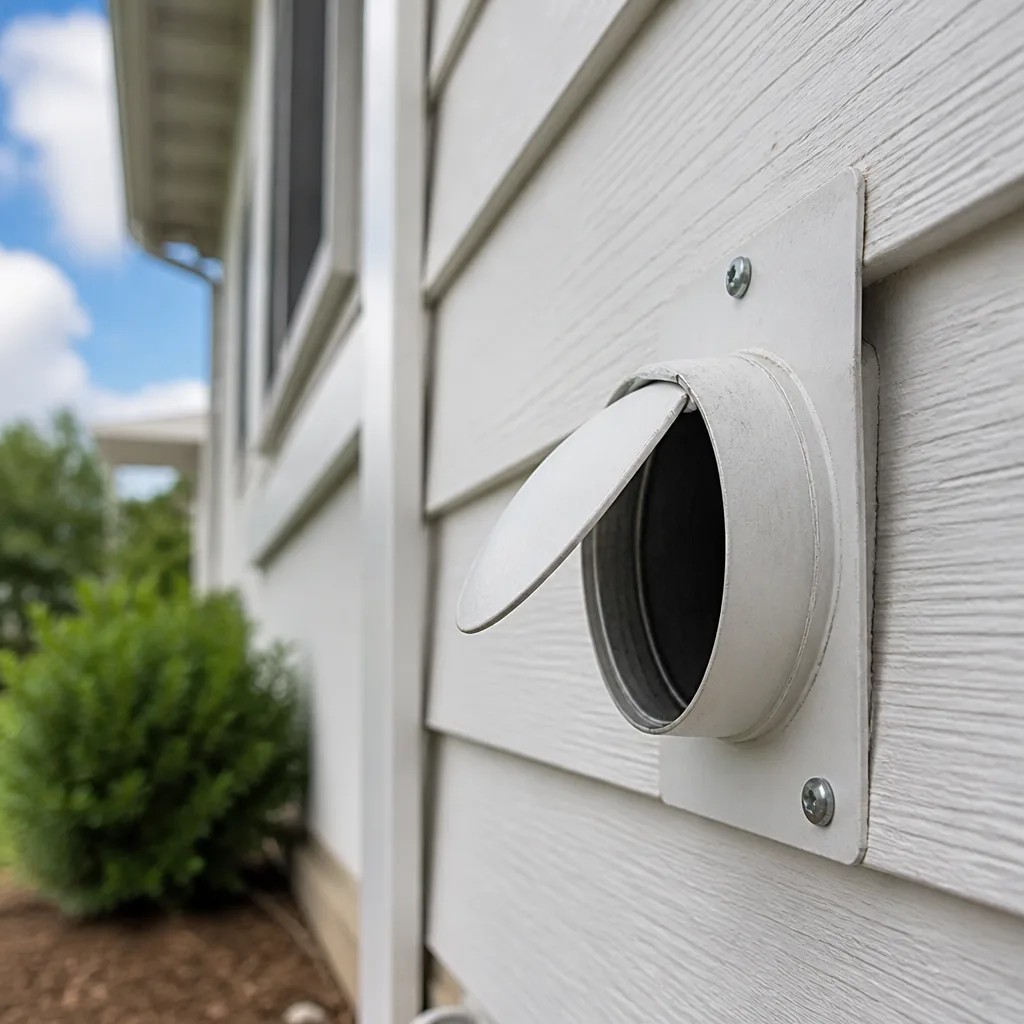 Dryer vent cleaning
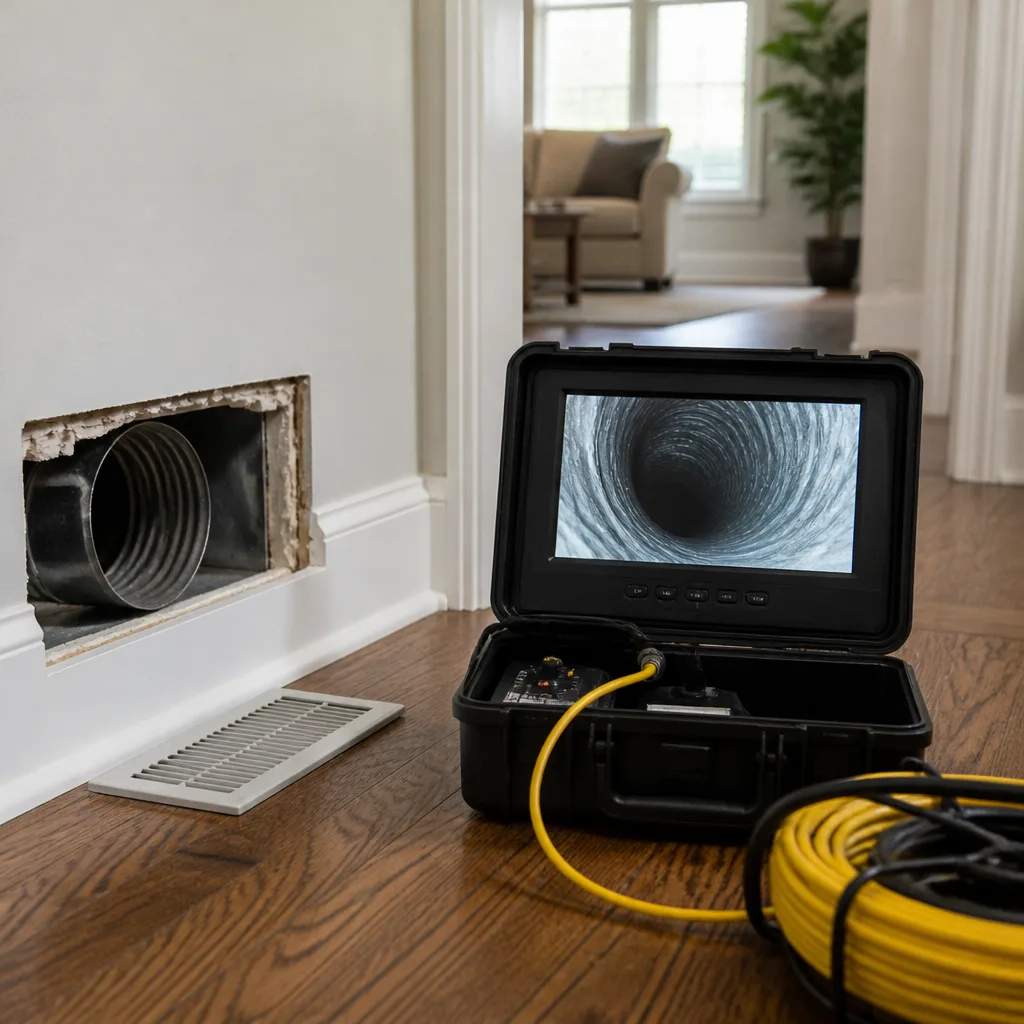 Camera inspection
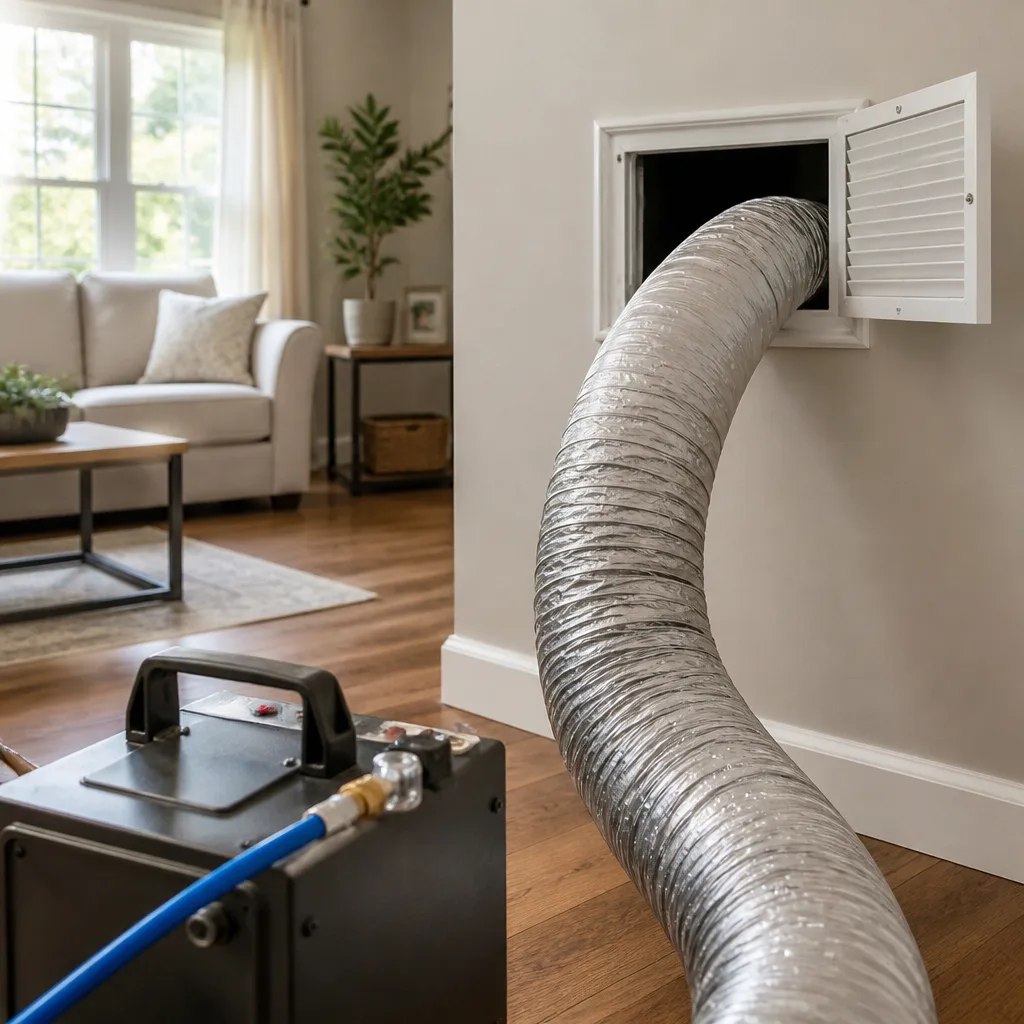 Sanitizing & deodorizing
Whole-system duct and dryer vent check with before-and-after photos - you see exactly what came out of your vents
That "$99 whole-house special" is a bait ad - the real number appears once they are in your hallway, or the "clean" is a shop-vac at the register. We photograph the inside of your ducts before and after instead.
The Complete Guide to Air Duct Cleaning in Antioch
Two houses on the same Antioch street can have completely different duct systems, and that’s the part most guides get wrong. Antioch’s mix of 1990s – 2000s tract homes and newer construction means one house may have long flex runs crushed behind drywall while the next has rigid metal trunk lines with short branch takeoffs. The duct material, the layout, and the contamination pattern all change the right method. A generic “vacuum everything” guide fails both homes. This guide is built around what’s actually inside Antioch walls: Middle Tennessee humidity, split-system anatomy, and how to verify a cleaning was really done. You’ll learn which duct zones collect the most debris, why flex and metal behave differently here, and what professional-grade equipment does that a shop vac cannot.
Quick Answer
Air duct cleaning in Antioch means mechanically scrubbing and extracting debris from every duct run, plus the air handler coil and blower wheel, using negative-air equipment and contact cleaning rather than compressed air alone. In Middle Tennessee’s humid climate, flex duct is especially prone to microbial growth, so the method matters more than the price. A professional job is verified with before-and-after camera inspection, and the price is set per job by a written estimate agreed before work starts.
Styles & brands we work with
- Whole-home duct cleaning
- Dryer vent cleaning
- Camera inspection
- Sanitizing & deodorizing
Table of Contents
- Why Antioch’s Housing Stock Changes the Cleaning Method
- How Middle Tennessee Humidity Affects Flex Duct vs. Rigid Metal
- The Anatomy of a Typical Antioch Split-System
- What Professional-Grade Equipment Does That a Shop Vac Cannot
- Full-System Scope: Why Ducts Alone Aren’t the Whole Job
- How to Verify the Work Was Actually Done
- The Fire-Safety Service Most Antioch Homeowners Overlook
- Common Mistakes to Avoid
Why Antioch’s Housing Stock Changes the Cleaning Method
Antioch grew fast in the 1990s and 2000s, and the tract homes from that era share a recognizable pattern: flex duct in the attic, short runs to ceiling registers, and a single air handler tucked into a closet or garage. Newer construction nearby often uses similar materials but tighter layouts and different register placement. The practical result is that the same cleaning method doesn’t fit every house.
Older flex duct in Antioch has usually had time to sag, kink, or collect debris at the low points of a run. Those low spots act like traps. A brush that only travels straight through misses them. Rigid metal trunk lines behave differently: debris tends to collect at seams, at the base of vertical drops, and at the takeoffs where a branch feeds a room. A technician who reads the layout first knows where to focus.
What we look at before any cleaning starts:
- Duct material – flex, rigid metal, or a mix, since each needs a different contact method.
- Run length and routing – long attic runs in Antioch heat gain contamination faster at the far end.
- Register count and placement – ceiling registers in bedrooms collect differently than floor registers in living areas.
- Air handler location – a closet unit pulls in different debris than one in a garage.
- Return path – a single central return tells you a lot about how dust cycles through the house.
The point is simple: your neighbor’s cleaning quote and yours can differ because the systems differ. A one-size guide, or a one-size quote, doesn’t serve either home well. This is why our air duct cleaning starts with an inspection of the actual layout rather than a flat package.
How Middle Tennessee Humidity Affects Flex Duct vs. Rigid Metal
Middle Tennessee’s humid summers are the single biggest reason duct cleaning in Antioch isn’t just about dust. Moisture is what turns ordinary settled debris into something worse. When warm, humid air meets cool duct surfaces, condensation forms, and that damp film feeds microbial growth. The material of the duct decides how fast that happens and how hard it is to remove.
Flex duct is the more vulnerable of the two. Its inner liner is plastic over a wire helix, and it doesn’t hold up to scrubbing the way metal does. Debris clings to the ridges, and if moisture gets in, growth can work into the folds. That’s why contact cleaning with a tool designed for flex matters: you remove the contamination without tearing the liner. Blowing air through flex just pushes the problem downstream.
Rigid metal duct is smoother and easier to scrub, but it has its own weak points. Seams and joints collect debris, and poorly sealed joints in a humid Antioch attic let moist air into the system. That’s where duct repair and sealing earns its place: fixing the leak removes the moisture source, not just the symptom.
Two things make the difference in a humid climate:
- Remove moisture sources first. Sealed joints and a properly draining condensate line keep the system dry.
- Use contact cleaning and high-volume extraction. Scrubbing the surface and pulling the debris out with negative air removes what blowing only relocates.
In our experience across Antioch, a duct system that’s been damp for years needs the cleaning and the sealing conversation together, not one without the other.
The Anatomy of a Typical Antioch Split-System
Most Antioch homes run a split system: an outdoor condenser and an indoor air handler connected by ductwork. Understanding the parts tells you where debris piles up and why a partial cleaning misses the worst of it.
Here’s how the pieces fit together, and where contamination concentrates:
- Return grilles and return duct – the entry point. This is often the dirtiest zone in an Antioch home because every particle the filter misses starts here.
- Air handler cabinet – holds the blower wheel and the evaporator coil. A dirty blower wheel throws less air and a dirty coil loses cooling capacity. Both are part of the system, not the ducts.
- Supply trunk – the main distribution line. Debris collects at seams and at the base of vertical drops.
- Branch takeoffs and runs – the runs feeding each room. Flex runs here sag and trap debris at low points.
- Supply registers – the last stop before air enters the room. Dust streaks on the register faces are a common sign the upstream runs are loaded.
The takeaway: the two zones that accumulate the most debris in a typical Antioch split-system are the return side and the air handler cabinet. If a cleaning quote only covers “the ducts,” it skips the two spots most likely to be the actual problem. Our HVAC cleaning service exists precisely because the coil and blower wheel are part of the air path, and leaving them out means the system is still dirty when the crew drives away.
What Professional-Grade Equipment Does That a Shop Vac Cannot
This is where duct cleaning earns or fails its reputation. A shop vac and a brush kit can reach a register and pull some loose dust out of the first few feet. It cannot scrub the full length of a run, it cannot extract at the volume professional systems require, and it offers no negative-air containment to keep disturbed debris from drifting back into the house. The equipment is the difference between cleaning and stirring.
Professional systems approach the job from two directions at once: contact cleaning to scrub debris off the duct surface, and high-volume negative air to pull it out of the system and into a filtration unit. That combination is what actually removes contamination instead of relocating it.
The equipment we use on Antioch jobs reflects this:
- Rotobrush contact cleaning – a rotating brush system that physically scrubs the duct interior. It’s built for contact, not just airflow, which matters most on flex duct and on the loaded runs in older Antioch homes.
- Nikro professional extraction – high-volume vacuum systems that pull heavy debris and fine particulate out of the system and hold it.
- Abatement Technologies air filtration – remediation-grade filtration used in serious contaminant-removal work. It’s a step above what typical duct cleaning operations run, and it’s the standard when air quality is the concern, not just appearance.
We also work with Honeywell and Aprilaire filtration and air-quality equipment, so when the cleaning is done we can speak to what comes next: better filtration that keeps the ducts cleaner longer. Contact cleaning and real extraction are the core of the job. Everything else supports them.
Full-System Scope: Why Ducts Alone Aren’t the Whole Job
Cleaning ducts without addressing the air handler coil and blower wheel leaves the job half done. This is the most common gap we find in Antioch homes. The ducts get cleaned, the system still runs dirty, and the homeowner wonders why nothing changed.
Think about where air actually travels. It passes the filter, moves through the return duct, crosses the blower wheel, crosses the evaporator coil, then enters the supply trunk. If the wheel is caked with dust, it can’t move air efficiently. If the coil is fouled, it can’t transfer heat. Both of those components sit downstream of the filter and upstream of the ducts, and both get dirty over time.
A full-system service covers:
- Return and supply duct cleaning with contact scrubbing and extraction.
- Air handler cabinet cleaning – the space around the coil and blower.
- Blower wheel cleaning – restores airflow and reduces the dust it flings back into the system.
- Evaporator coil cleaning – supports cooling performance, especially in humid Antioch summers.
- Sanitizing – an air-quality treatment where contamination and microbial growth are a concern.
- Duct repair and sealing – fixes the leaks that let humid attic air in.
Five services under one roof – cleaning, dryer vent, HVAC, sanitizing, and duct repair and sealing – means we can treat the whole air system rather than hand off the parts. That’s how a cleaning in Antioch produces a result a homeowner can actually feel, in airflow and in indoor air quality. If you’re comparing providers, ask specifically whether the coil and blower wheel are included. The answer tells you a lot.
How to Verify the Work Was Actually Done
The standard of proof in professional duct cleaning is before-and-after camera inspection, and you should expect to see it. This industry has a bait-and-switch reputation for a reason: a low teaser price that grows once the technician is in the door, or work that’s claimed but never shown. Camera inspection answers both concerns. The before footage shows what’s in the duct, and the after footage shows what’s left.
Here’s how to verify a cleaning in your Antioch home:
- Ask for the before-and-after camera footage of your own ducts, not a generic stock video. It should be shot on the day of the job.
- Confirm the full scope in writing – ducts, air handler, coil, and blower wheel – before work starts.
- Get one flat price per system agreed in advance, with no per-vent charges.
- Watch for the debris reveal – a proper extraction system produces a visible collection of what came out of the system.
- Check the register areas after the job. Clean registers and properly reseated grilles are a basic sign the work was finished.
We hold to the same standard on every job: one flat price per system agreed before work begins, no per-vent pricing, and before-and-after photos of your own ducts so you see the change. If a quote is dramatically lower than the others, ask what’s excluded. The gap is usually the coil, the blower wheel, or the camera verification – the parts that take time.
The Fire-Safety Service Most Antioch Homeowners Overlook
Dryer vent cleaning addresses one of the leading causes of residential house fires, and it’s the air system service most homeowners skip. The logic is straightforward: lint accumulates in the vent line every time the dryer runs. A restricted vent traps that lint, and trapped lint is fuel. In a humid Middle Tennessee climate, a partially blocked vent also keeps the dryer running longer and hotter, which compounds the risk.
Signs the vent line in your Antioch home needs attention:
- Clothes take two cycles or more to dry.
- The dryer or the laundry area feels hotter than it used to.
- The outside vent flap opens weakly or not at all.
- Lint builds up around the dryer door or behind the unit.
- You can’t remember the last time the vent line was cleaned.
This isn’t an upsell tacked onto a duct cleaning. It’s a dedicated fire-safety service, and we treat it that way. The same whole-home air thinking that guides our duct work applies here: the dryer vent is a duct, it moves air, and it gets restricted the same way the supply runs do. Our dryer vent cleaning covers the full line from the dryer connection to the exterior termination, clearing lint and confirming airflow is restored. If you haven’t had it done, it’s worth putting on the calendar before anything else on this list.
Common Mistakes to Avoid
- Hiring on price alone. The lowest quote in Antioch is often the narrowest scope, covering only the most accessible duct runs. Two sentences into the walkthrough, ask what’s excluded, because the missing coil and blower cleaning are usually where the savings came from.
- Accepting a per-vent price. Per-vent pricing encourages speed over thoroughness. One flat price per system, agreed in writing, keeps the incentive on doing the whole job right.
- Skipping the air handler. Cleaning the ducts while leaving the coil and blower wheel dirty means the system re-contaminates itself. Insist the air handler is in scope.
- Ignoring the humidity factor. A duct system that stays damp after cleaning will regrow what you just removed. Duct repair and sealing, plus a properly draining condensate line, address the cause.
- Failing to ask for camera verification. Without before-and-after footage of your own ducts, you have no way to confirm the work happened. Ask for it up front.
- Forgetting the dryer vent. In a house where the ducts get cleaned and the dryer vent doesn’t, one of the biggest fire risks in the home stays in place. Treat it as part of the same job.
- Over-relying on a shop vac for DIY cleaning. The reach and extraction volume aren’t there, and disturbed debris ends up back in the house. For the full system, it takes professional equipment.
See the difference
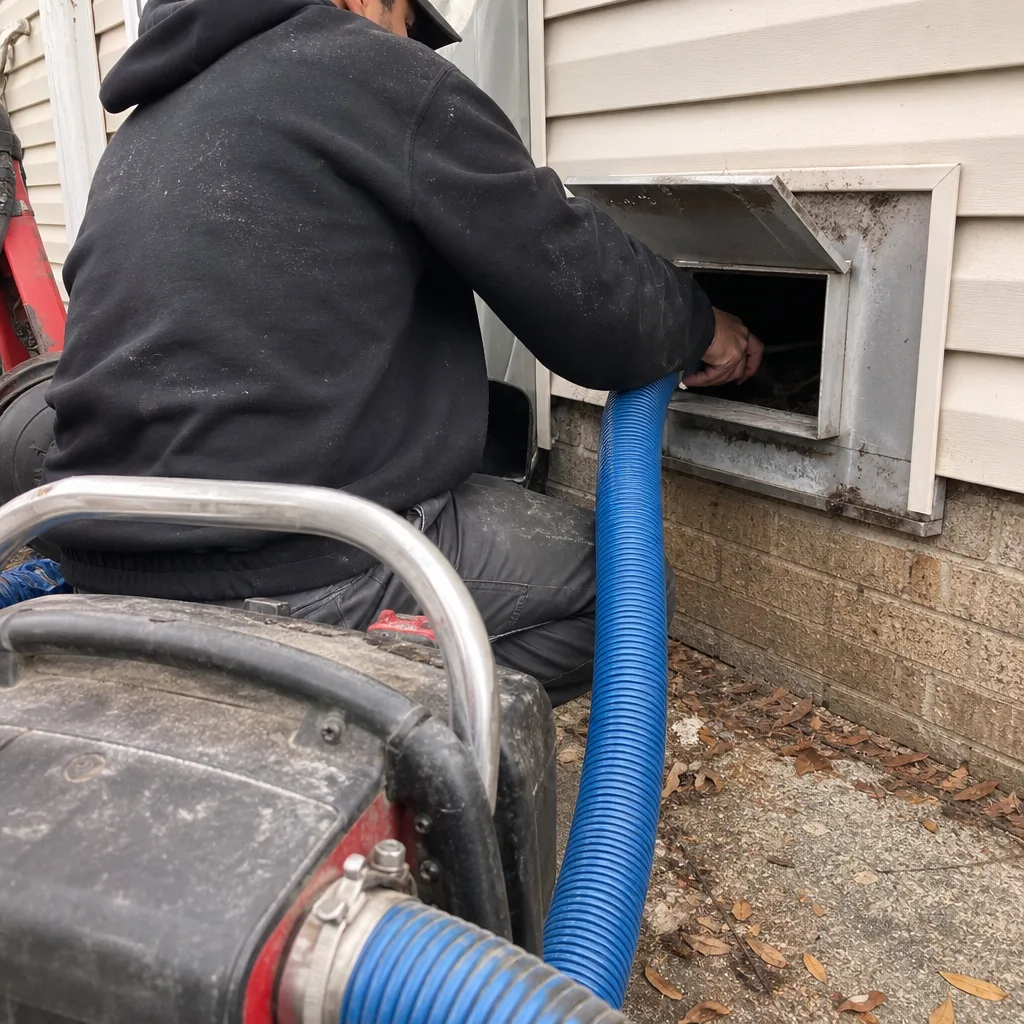 Before
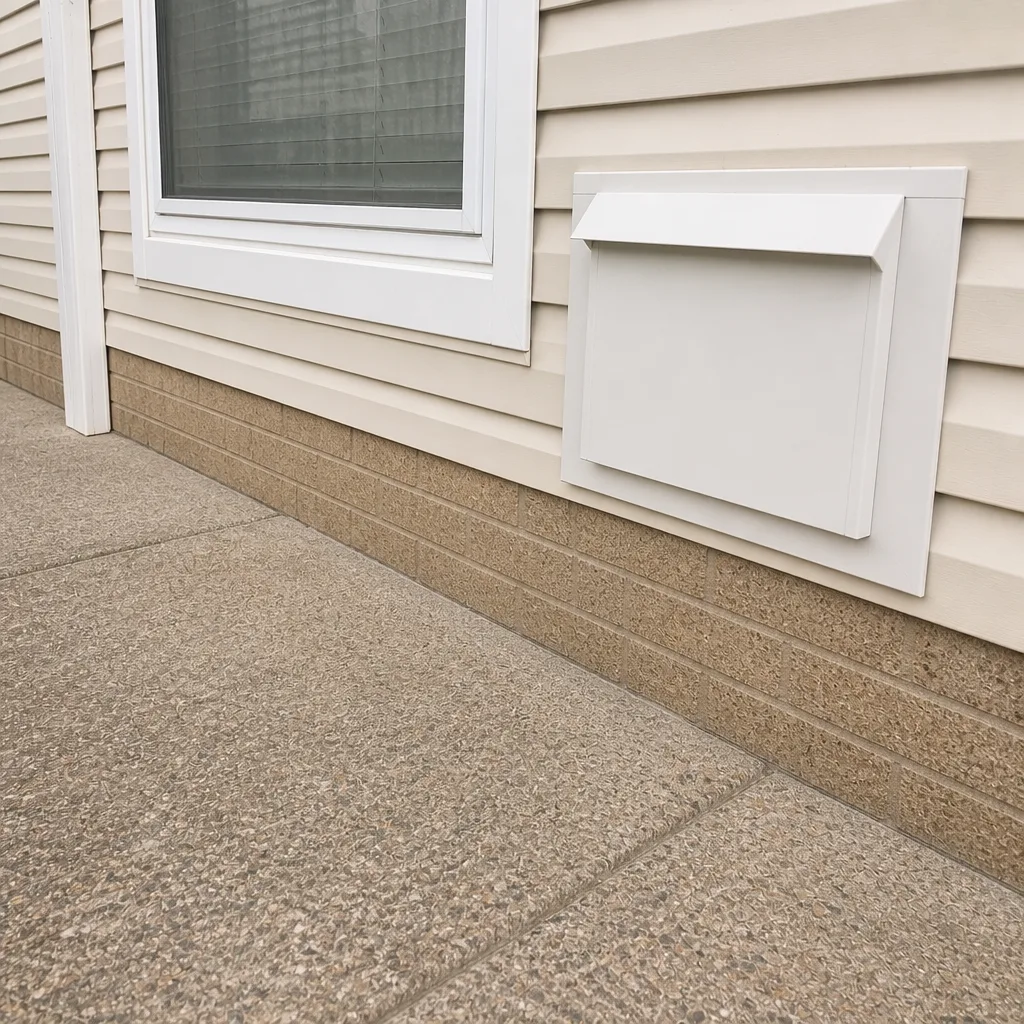 After
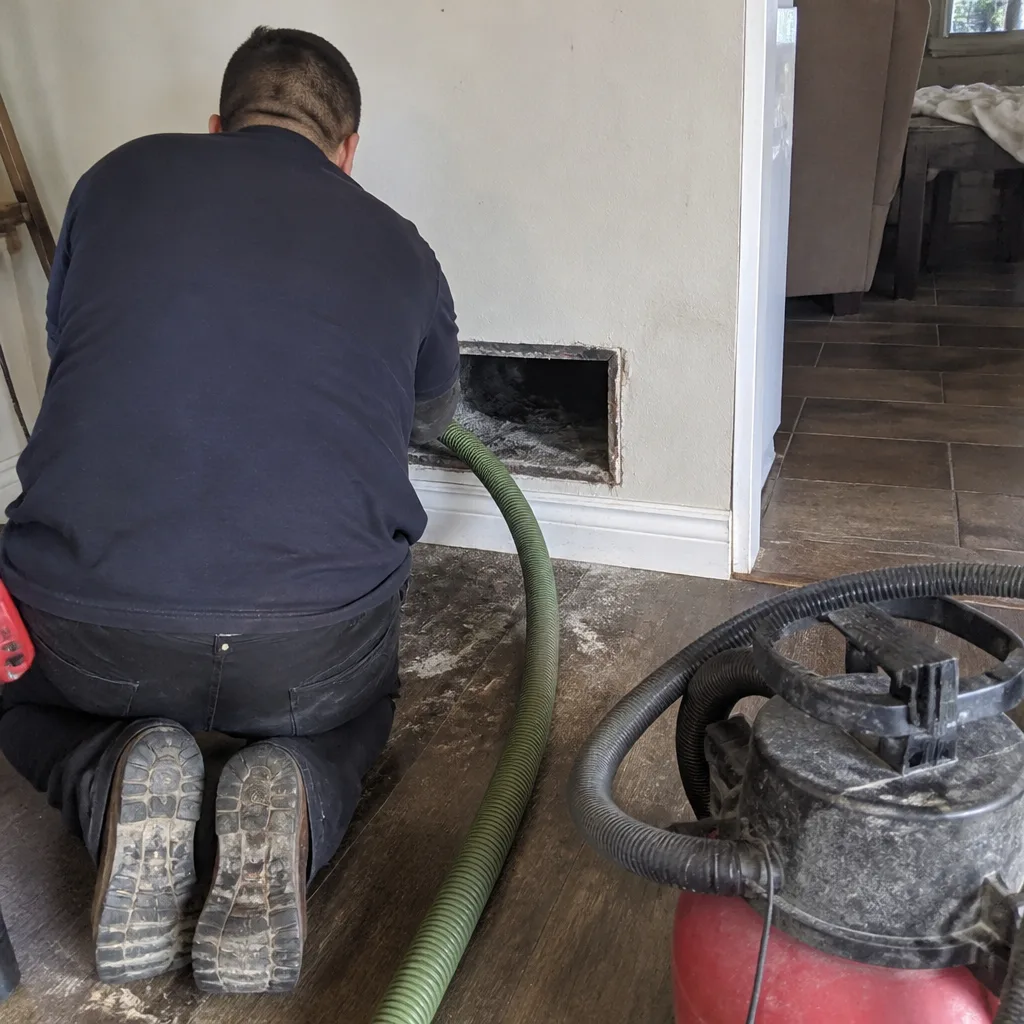 Before
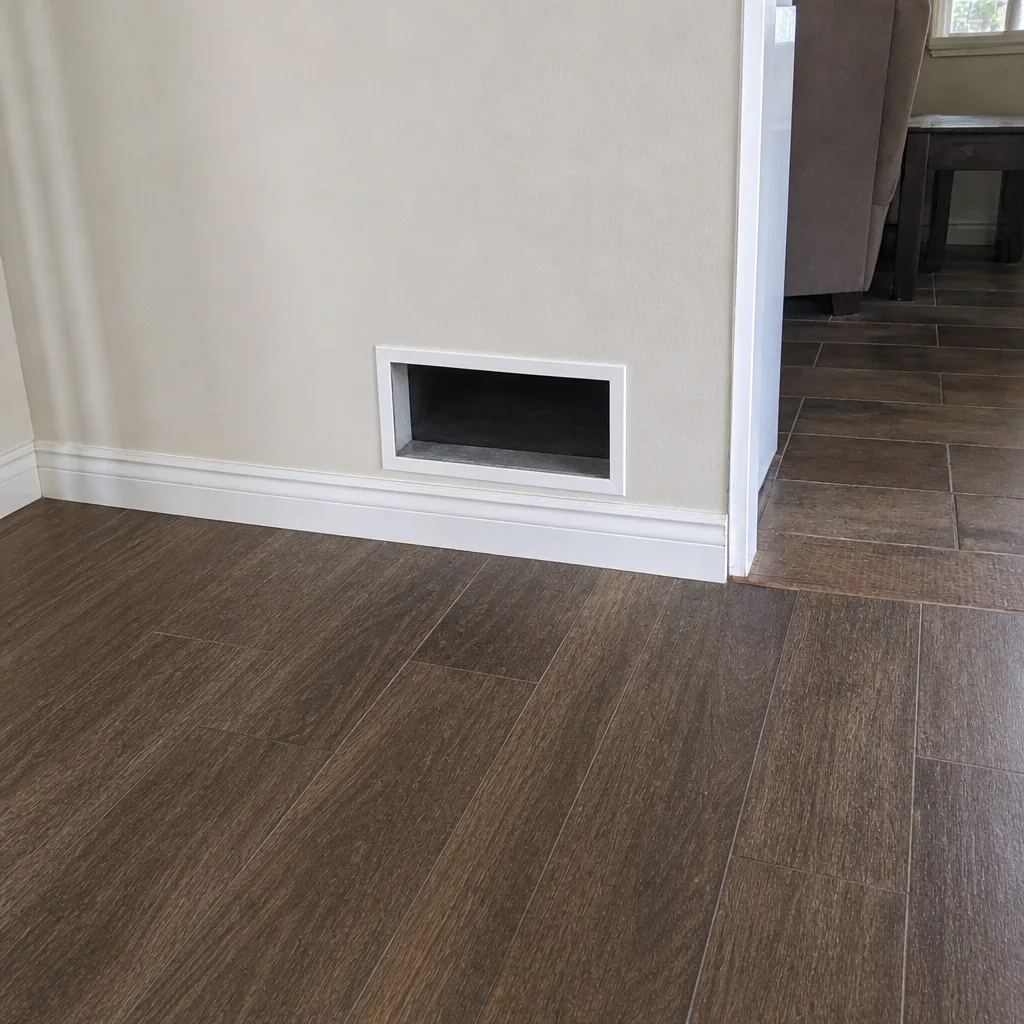 After
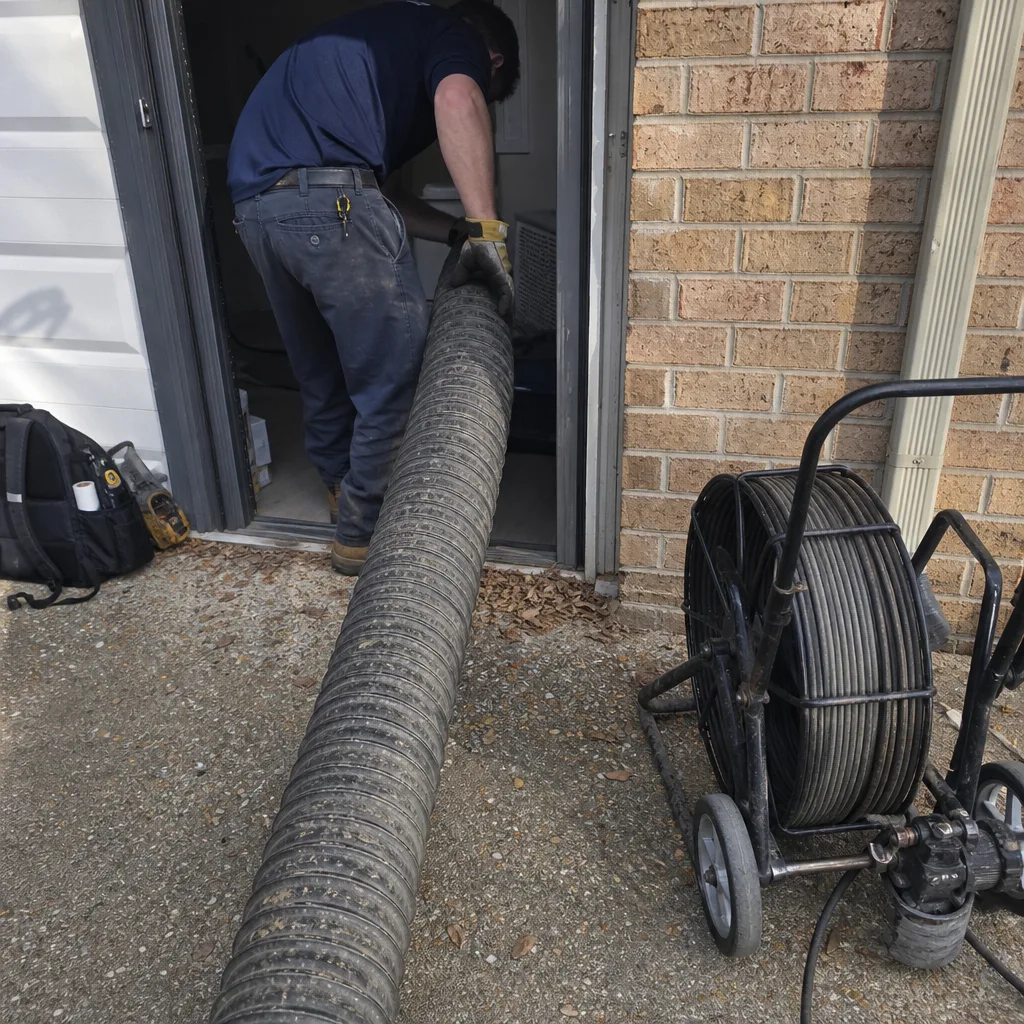 Before
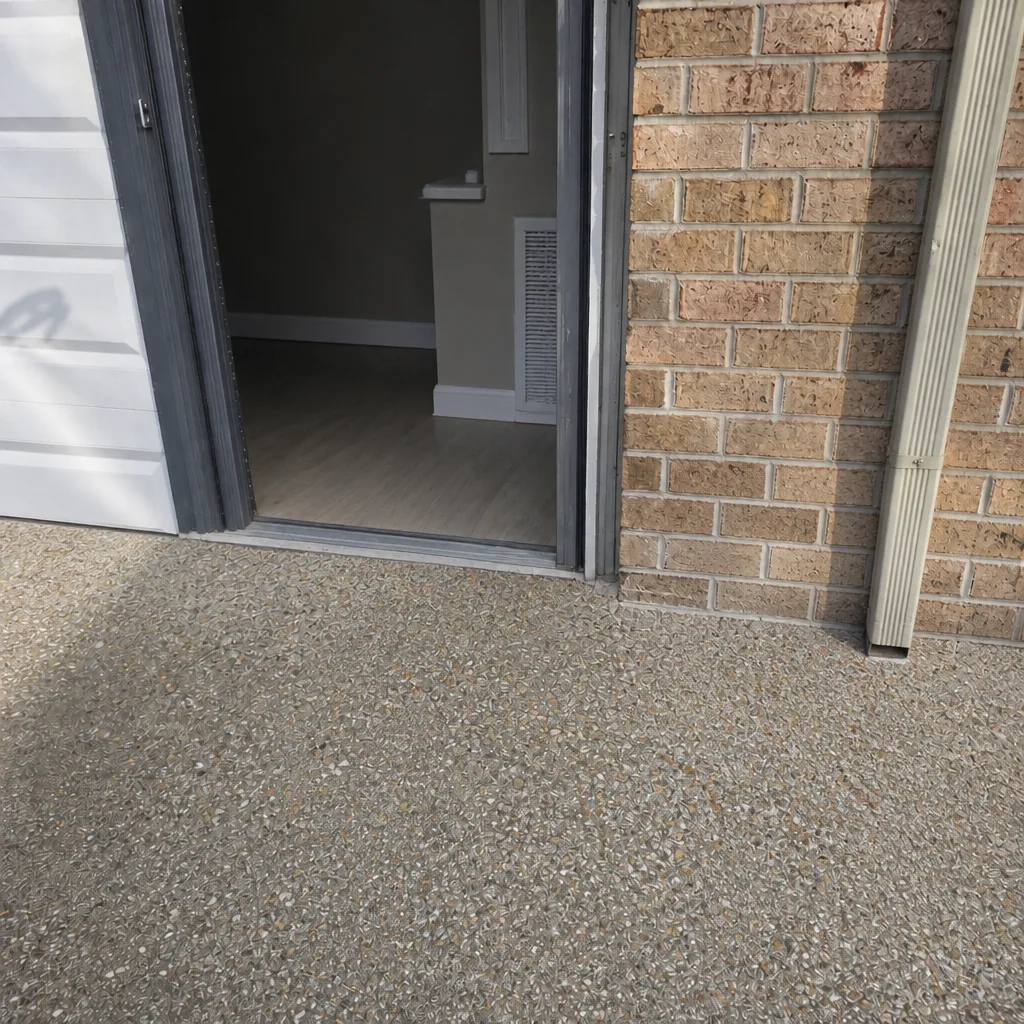 After
When to Call a Professional
Some situations need a professional on site rather than a cautious wait-and-see. If anyone in the home has allergy or respiratory symptoms that seem connected to the HVAC system, that’s a reason to get the ducts inspected and cleaned. A recent renovation or a new home purchase in Antioch is another, since construction dust and unknown prior maintenance both leave questions a camera can answer. Visible streaks at the registers, a musty smell when the system runs, or years without an inspection all point the same direction. The same is true if the dryer is taking longer to dry clothes or the vent line hasn’t been cleared. For anything involving the air handler, coil, or blower wheel, professional equipment and contact cleaning are the only way to do it properly. Antioch Air Duct Cleaning Pros offers free estimates in Antioch – call (833) 508-9940. We answer 24/7, with fast dispatch from 7am to 7pm, Sunday through Friday.
Frequently Asked Questions
Most full-system air duct cleaning in Antioch falls in the roughly $350 to $700 range for a typical single-family home, depending on the number of runs, the duct material, and whether the air handler, coil, and blower wheel are included. Prices are estimates, and the written estimate sets the final price. Expect one flat price per system rather than a per-vent charge, plus a camera inspection to confirm the result. Call (833) 508-9940 for an exact quote – estimates are free.
Most Antioch homes do well with a full cleaning every three to five years, but the real triggers are events rather than a calendar: a renovation, a move-in, visible debris at the registers, or a musty smell when the system runs. Homes with pets, allergies, or heavy dust load need it sooner. If the vents look clean and airflow is strong, you can usually wait. When in doubt, an inspection answers it. Call (833) 508-9940 to book one.
Cheap quotes are usually narrow quotes. They often skip the air handler cabinet, the evaporator coil, and the blower wheel, cover only the easiest-to-reach runs, and offer no camera verification. Sometimes the price is a teaser that grows once the technician is on site. A proper job uses contact cleaning and professional extraction across the whole system, which takes time and equipment. Ask every provider for a written scope. Call (833) 508-9940 to compare a full-scope estimate.
You know because you see the before-and-after camera footage of your own ducts, shot on the day of the job, plus a visible collection of extracted debris. Ask for the camera inspection up front and confirm the full scope in writing before work starts. A provider who hesitates on either point is telling you something. We include before-and-after photos as standard. Call (833) 508-9940 for a free estimate.
Flex duct is the harder of the two to clean well. Its ridged inner liner traps debris in the folds and it’s less tolerant of aggressive scrubbing, so it needs tooling designed for contact cleaning without tearing the liner. Rigid metal is smoother and easier to scrub, but its seams and joints collect debris, and poorly sealed joints let humid Middle Tennessee air into the system. Both can be cleaned; they just take different methods. Call (833) 508-9940 and tell us what your system is built from.
We clean both. Dryer vent cleaning is a dedicated fire-safety service, not an add-on, and it’s one of the most overlooked air-system jobs in Antioch homes. A restricted vent line traps lint, which is fuel, and it also makes the dryer work harder. If clothes take two cycles or the vent flap barely opens, it’s time. Call (833) 508-9940 for a free estimate on air duct and dryer vent service together.
The Bottom Line
Duct cleaning in Antioch comes down to matching the method to the house. The material of the duct, the humidity, and the layout all shape where debris collects and how it needs to be removed. Contact cleaning plus high-volume extraction does what a shop vac and brush kit can’t, and a full-system scope that includes the air handler, coil, and blower wheel is the only way the job holds up. Before-and-after camera footage is your proof. One flat price per system, agreed before work starts, is your protection. And the dryer vent belongs in the same conversation. That’s the whole picture, and it’s the one this guide is built to give you.
When you’re ready to move from reading to an actual estimate, reach out. Antioch Air Duct Cleaning Pros connects you with vetted local professionals, licensed and insured as the state requires, and our technicians have up to 13 years of experience. Call (833) 508-9940 for a free estimate. We answer 24/7, with fast dispatch from 7am to 7pm, Sunday through Friday. Start with Antioch Air Duct Cleaning Pros to see the full set of services, and get a written quote per system before anyone touches your ductwork.
Written by the team at Antioch Air Duct Cleaning Pros.