
Last updated November 22, 2026
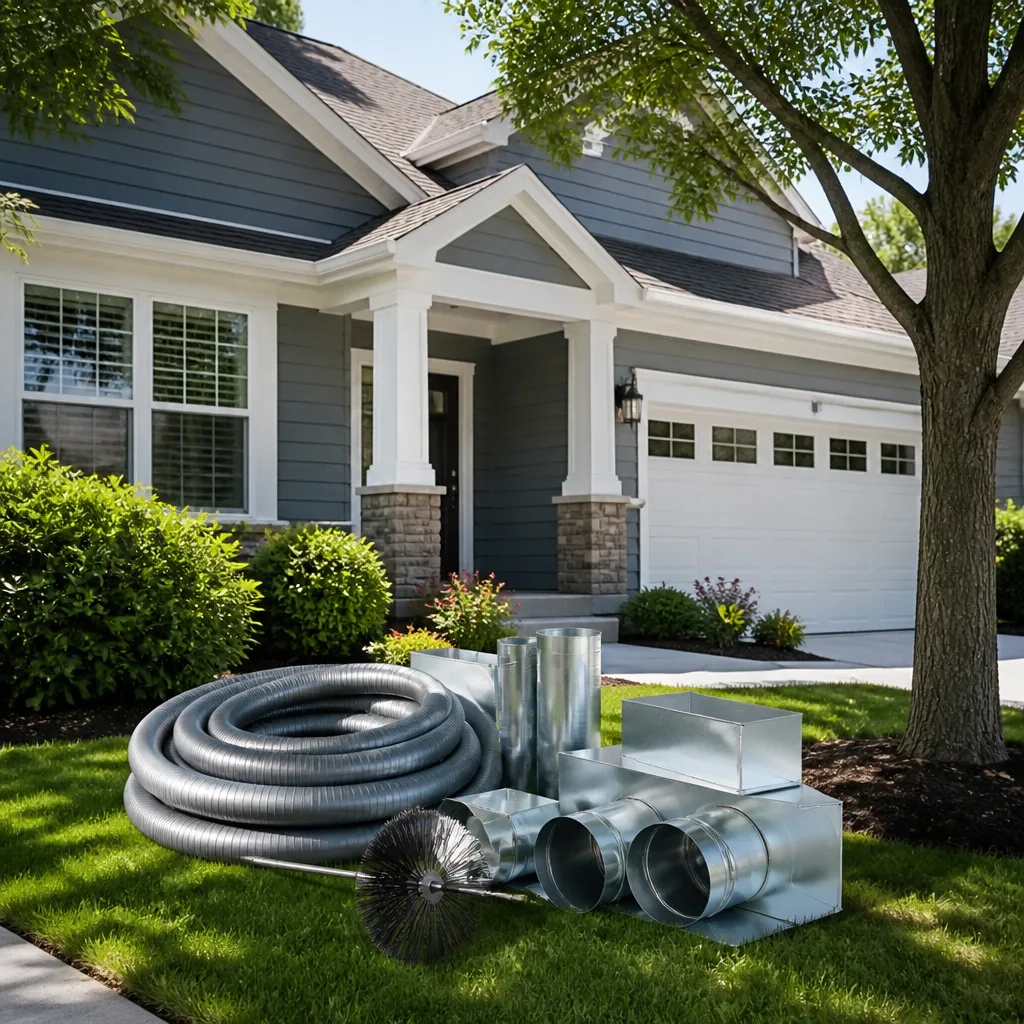 Whole-home duct cleaning
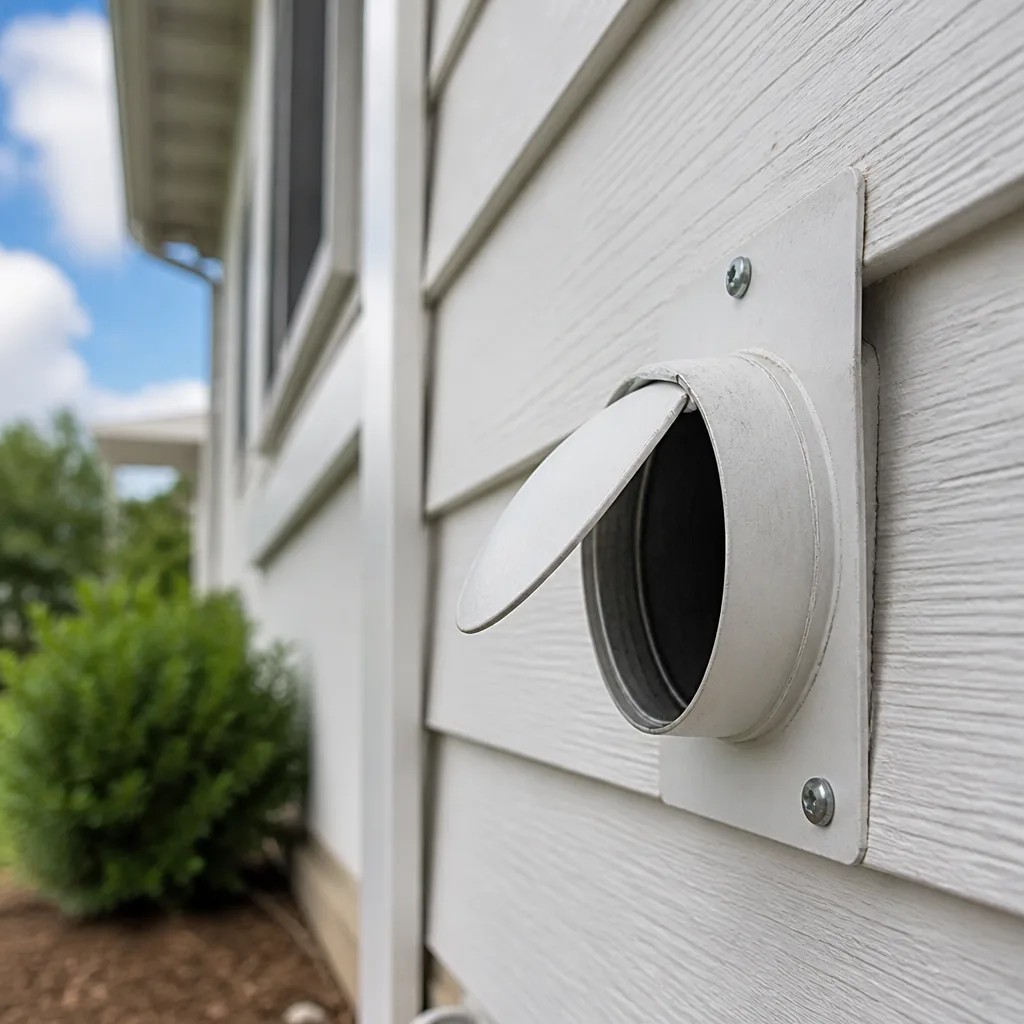 Dryer vent cleaning
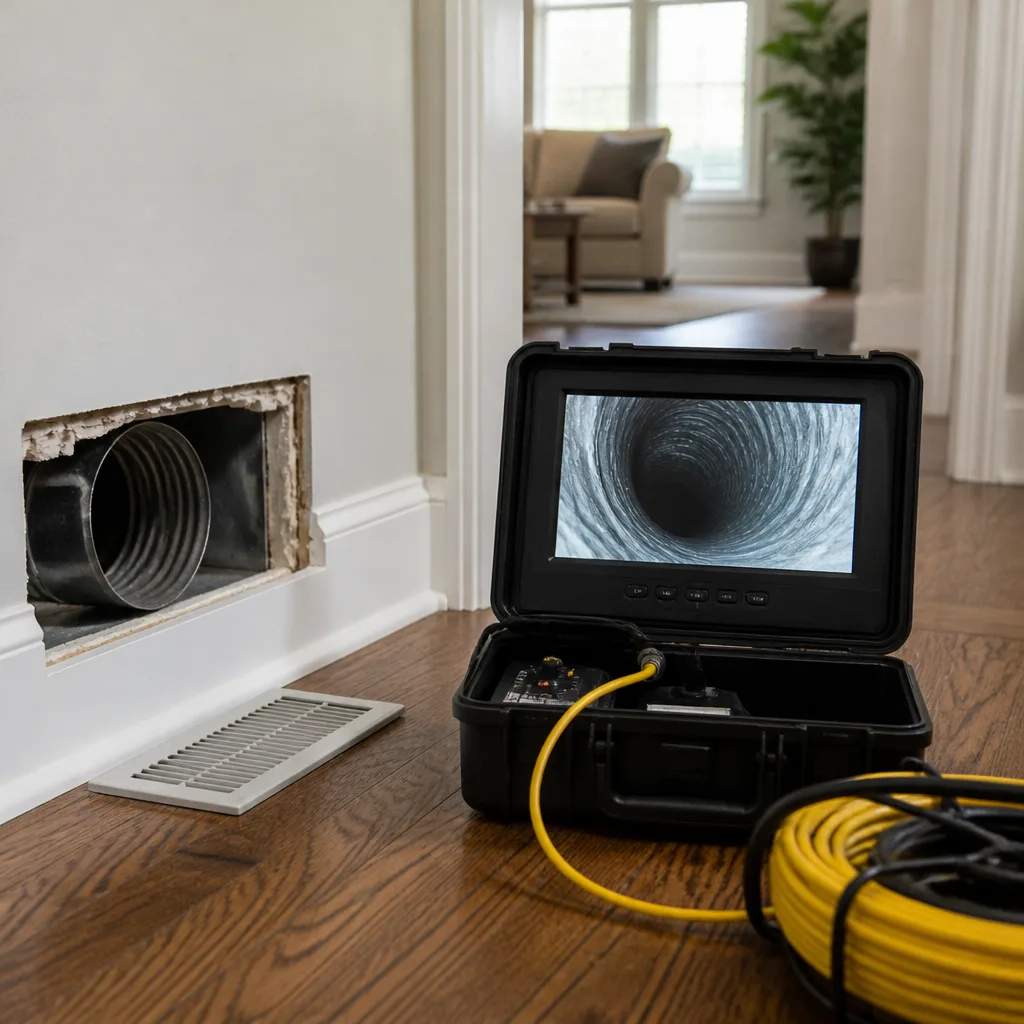 Camera inspection
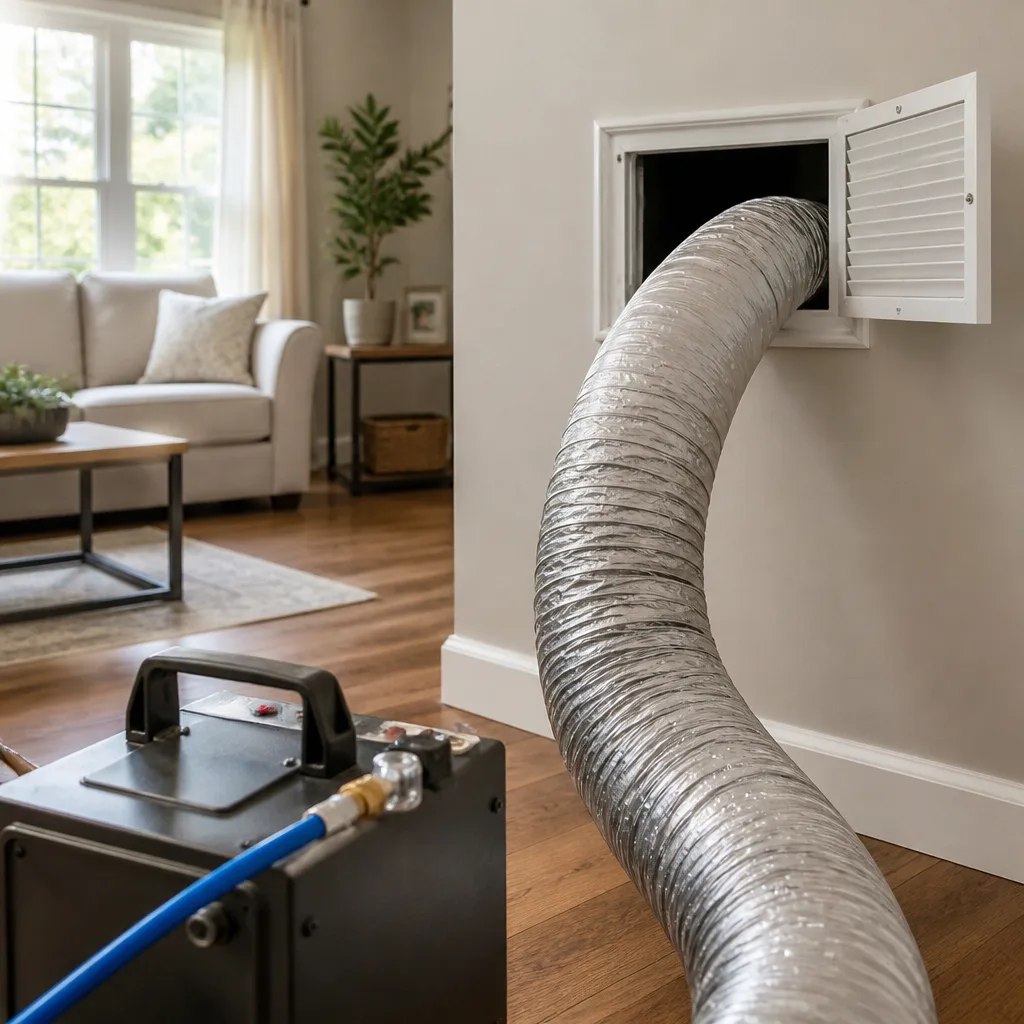 Sanitizing & deodorizing
Whole-system duct and dryer vent check with before-and-after photos - you see exactly what came out of your vents
That "$99 whole-house special" is a bait ad - the real number appears once they are in your hallway, or the "clean" is a shop-vac at the register. We photograph the inside of your ducts before and after instead.
Air Duct Cleaning Warning Signs: An Antioch Homeowner’s Reference Guide
Most homeowners call a duct professional when they see dust puffing out of a supply vent. That’s backwards. Visible dust fallout is a late-stage signal – it means debris has built up long enough and heavily enough that airflow is physically pushing it back out into the room. By then, the quieter symptoms have usually been running for months or years. The signs that actually matter are behavioral: longer heating and cooling cycles, one room that never warms up, a smell that shows up for the first ninety seconds of a cycle and then disappears. This guide is about those quieter signals. We’ll walk through what each one means, how to test your own system in ten minutes with nothing but a tissue, and when an Antioch duct system has moved from “watch it” to “call someone.”
Quick Answer
The warning signs of a dirty air duct system in Antioch are longer HVAC runtimes, uneven room temperatures, a musty smell at the start of each cycle, allergy symptoms that track with system use, visible debris at return grilles, and a tissue test that shows airflow leaking past the filter frame. Visible dust blowing from a supply vent is a sign the accumulation has already reached the heavier stages. Most of these are cheap to check yourself and point directly to whether the problem lives in the ducts or in the HVAC equipment.
Styles & brands we work with
- Whole-home duct cleaning
- Dryer vent cleaning
- Camera inspection
- Sanitizing & deodorizing
Table of Contents
- The Runtime Creep: Your HVAC’s Quietest Signal
- Room Temperature Inconsistency as a Duct Diagnostic
- The White Tissue Test: Filter Bypass and Leakage
- Odor Mapping: What Short-Lived vs. Persistent Smells Tell You
- Allergy Symptoms That Track With HVAC Use
- The Warning Sign Nobody Checks: The Dryer Vent
- Antioch Duct Layouts and Where Contamination Concentrates
- Post-Renovation and New-Purchase Triggers
The Runtime Creep: Your HVAC’s Quietest Signal
If your system runs longer cycles than it did a couple of years ago to hit the same setpoint on your thermostat, that is the single most reliable duct signal a homeowner has, and also the one most often blamed on the wrong thing. The thermostat gets replaced. The compressor gets looked at. Meanwhile the airflow restriction sits in the ductwork, quietly forcing the equipment to work harder to move the same amount of air.
Restricted airflow from debris buildup is a leading cause of long runtimes. Here’s why. Every HVAC system is designed to move a specific volume of air through the ducts per unit of time. When the inside of the duct walls have accumulated a layer of debris, the effective cross-section shrinks and the blower has to spin longer to move the same air volume. The system reads “not there yet” and keeps running.
A homeowner can build a useful record. Once a day, note the outdoor temperature and how long a heating or cooling cycle runs to reach the setpoint. After a week, you have a baseline. If the same outdoor temperature produces longer cycles a month later, you have a documented trend that duct cleaning or a duct sealing visit can address. If the runtime is stable, the ductwork is probably not the problem.
What runtime creep is not: a sign of a dirty filter box (change the filter first, then re-measure), a compressor fault (the system would typically short-cycle or fail to cool at all), or a thermostat miscalibration (the room would be at setpoint while the system thinks otherwise). Runtime creep is a duct system telling you something.
Room Temperature Inconsistency as a Duct Diagnostic
Almost every home in Antioch has one room that runs a couple of degrees hotter or colder than the rest. That’s normal. What isn’t normal is a room that has become noticeably more inconsistent over time, or a specific room that consistently loses out every cycle. Room-level inconsistency is one of the best diagnostic tools we use because the pattern tells you where the contamination is concentrated.
Contamination concentrates at the longest runs and the runs with the most bends, because debris settles where airflow velocity drops. In the common Antioch duct layouts we see, that usually means:
- The far bedroom over a garage or at the end of a long trunk line – the last branch off a run loses the most airflow when the trunk is restricted, so it’s the first room to feel cold in winter and warm in summer.
- Upstairs rooms on a two-story house – the upper-floor trunk runs longer and climbs higher, so the branches already fight reduced static pressure; debris buildup pushes the last room over the edge.
- Rooms served by flex duct with a 90-degree sag – flex duct sags over time and any low spot collects debris; that branch becomes the “cold room” or “hot room” first.
- Additions tied into the original trunk – a room added on later often shares a duct that was sized for fewer rooms, so any debris restriction shows up there first.
The trick is to note which room is consistently off, then check the nearest return grille and the supply feeding that room. If the supply carries noticeably less airflow than a supply of the same size closer to the air handler, you have narrowed it down to a branch or trunk restriction. Duct sealing often joins cleaning for exactly this reason: fixing the leak at the same time you clean the run means the room stays fixed instead of drifting back next year.
The White Tissue Test: Filter Bypass and Leakage
Before you spend a dollar on service, you can test two of the most common duct problems with a single piece of white tissue and about ten minutes of your time. This is the test we walk homeowners through on nearly every estimate call.
- Check filter bypass at the return grille. Take a fresh white tissue and hold it flat against the face of your return grille, covering a few square inches. If the tissue is sucked flat and stays flat, the return is pulling properly through the filter. If the tissue flutters, pulls unevenly, or barely holds, air is bypassing the filter somewhere around the edges of the frame.
- Check for leakage at the edges. Run your tissue slowly around the perimeter of the return grille and, separately, around the duct joints where you can reach them on an exposed run. A tissue pulled hard against a joint that has no opening is normal. A tissue that flutters against a joint that shouldn’t have airflow means the joint is leaking – usually a filter bypass gap at the filter frame, or a tape-sealed joint that has let go.
- Check for dust fallout on the supply side. Hold a white tissue loosely in front of a supply vent while the system is running, for about 60 seconds. A little fine dust shows up even on clean ducts. If the tissue shows visible particles, gray smudges, or falling bits, the duct has reached the heavy-accumulation stage where airflow is pushing debris back into the room.
- Note what you find and where. Filter bypass at one return is usually a filter frame sizing problem. Leakage at multiple joints along an exposed trunk is usually a sealing job. Fallout at a supply is a cleaning job. The tissue tells you which.
Filter bypass is the one homeowners miss most often. Every cubic foot of air that leaks past the filter frame instead of through the filter carries debris into the duct, so a bypass gap undermines the filter you’re actually paying for. A properly sized filter frame closes that gap; a duct repair visit closes it where the frame itself needs work.
Odor Mapping: What Short-Lived vs. Persistent Smells Tell You
Smell patterns are one of the most precise duct signals, because the timing of the smell points to which part of the system is responsible. The distinction most homeowners never make: a smell that appears only in the first minutes of a cycle is a different problem from a smell that persists through the entire cycle.
Musty smell during the first minutes of a cycle
A short-lived musty smell at the start of a heating or cooling cycle usually points to the air handler, the evaporator coil, or the inside of the plenum just past the blower – the parts of the system where condensation builds up and sits when the system is off. When it turns on, that first volume of air sweeps across the damp surface and carries the smell into the rooms. It disappears within a few minutes because once the system is running steadily, the surface dries or the smell becomes less concentrated. Cleaning the coil and the plenum area usually resolves it. This is a common pattern in Antioch’s humid summer months, when the system spends more time off between cycles and condensation has more time to sit.
Persistent odor through the whole cycle
A musty or stale smell that continues through the entire cycle, well past the first minutes, usually points to the ductwork itself – accumulated debris in the ducts holding and releasing odor continuously as air moves over it. This pattern is the one that responds to a full duct cleaning. Sometimes persistent odor is also a sign of something else: standing water or debris in an unconditioned duct run, or a return connected to a space that has moisture problems. A professional inspection distinguishes between these.
Chemical or “hot plastic” smell
Smells that are chemical rather than organic – hot plastic, scorched, or an electrical odor – are not a cleaning problem. Turn off the system and have the equipment looked at before running it again.
Allergy Symptoms That Track With HVAC Use
Many homeowners suspect their ducts when allergy symptoms worsen, but the honest diagnostic is to check whether the symptoms correlate with HVAC use or with outdoor conditions. The two patterns look different.
A duct-related symptom pattern usually shows up like this:
- Worse in the first hour after the system starts – a symptom spike when the system turns on in the morning or after the house has been closed up for a while is more consistent with the system blowing out built-up debris than with outdoor air exposure.
- Worse in specific rooms – symptoms that are more pronounced in one or two rooms, and that track with the rooms that already run hot or cold, are more consistent with contamination in those branches.
- Better after being away from home – if symptoms ease on a week away, the trigger is probably indoors, and the HVAC system is the most likely route.
- No correlation with outdoor pollen counts – compare symptom days against a local pollen report for a few weeks. If symptom days don’t line up with high outdoor pollen, look at indoor air quality and the duct system.
A weather-driven allergy pattern looks different: worse on windy days, worse when windows are open, better with windows closed, and it tracks with the seasonal calendar. That pattern is outdoors and duct cleaning won’t help it much.
One thing worth adding: the filter you run matters for what actually reaches the ducts. When the ducts are cleaned and sealed, adding filtration that’s matched to the system in a way that doesn’t choke airflow – we’re familiar with the Honeywell and Aprilaire product families – supports the work. What comes next is the filtering, not the cleaning.
The Warning Sign Nobody Checks: The Dryer Vent
Dryer vent cleaning is part of the same air system review, and it’s the one most homeowners skip. Lint accumulation in the dryer vent line is a documented fire-safety issue, and it’s a warning sign you can check yourself: a load of laundry that takes noticeably longer to dry than it used to, clothes that come out hotter than normal, or a dryer cabinet that’s warm to the touch after a cycle. All three point to a restricted vent line. The vent doesn’t clean itself; a long vent run with a couple of elbows collects lint in exactly the low-velocity spots we were talking about earlier. If any of those signs sound familiar, schedule dryer vent cleaning as a safety check, not a cosmetic one.
Antioch Duct Layouts and Where Contamination Concentrates
Antioch’s housing stock varies enough that we see a few distinct duct patterns over and over. The one thing that’s consistent: contamination gathers where airflow slows, and where airflow slows is predictable from the layout.
Here’s the pattern most often found in Antioch homes:
- Long trunk runs in older single-story homes – the returns are typically undersized relative to the supply side, so the trunk runs pull harder and collect more in the return branches.
- Flex duct in attic runs – common in newer construction, and it sags. Every sag point becomes a settling spot. The “cold bedroom” almost always traces to the branch with the deepest sag.
- Attic air handlers – particularly in humid summer air, when an attic air handler and its plenum condense more, the plenum interior can hold moisture between cycles. That’s the short-lived-musty-smell pattern we described, and it’s more pronounced in attic installs than in closet installs.
- Added-on rooms connected to the original trunk – the newer branch is usually the first room to lose temperature once the trunk is restricted.
What this means practically: an inspection should always start with the room that has gone most off-pattern, and work back toward the air handler along that branch. That’s how a real diagnostics call goes, not a walk-through.
Post-Renovation and New-Purchase Triggers
Two events in a home trigger a duct inspection more than any others: a renovation and a recent purchase. Both are strong indicators that the system has been through disruption without a cleaning.
After a renovation, construction dust, drywall particles, and sawdust get pulled through the return during the work. The debris that ends up in the ducts from that period often doesn’t show up as a runtime problem for months. A cleaning after the work is complete keeps it from sitting in the duct system through the next heating season.
After a purchase, a homeowner typically doesn’t know when the system was last cleaned. That’s not a reason to panic – it’s a reason for an inspection, and a chance to check the filter size and the sealing at the same time. A home that has run on the same filter for several years is a candidate for an air duct cleaning inspection, and a home with a newer system is a candidate for a HVAC cleaning check of the coil and air handler as well.
Common Mistakes to Avoid
- Calling for cleaning when the problem is a filter bypass. If the filter frame leaks, cleaning the ducts won’t keep them clean. Fix the frame first.
- Replacing the thermostat before checking the ducts. Runtime creep almost always looks like a thermostat problem until someone looks at the airflow. Run the test first.
- Ignoring the room that’s always cold. In Antioch’s common flex-duct layouts, the coldest room is often the branch with the most debris and the deepest sag. Fixing it early keeps it from spreading to the neighboring branches.
- Choosing a quote based on a per-vent price. A low per-vent rate invites the technician to add “extras” once on site. Ask for one flat price for the whole system, agreed before work starts.
- Skipping the dryer vent because it’s “just the dryer.” Lint buildup in a restricted vent is a fire-safety risk, not a performance nuisance. Check it on the same annual schedule as the HVAC filter.
- Assuming a new home means clean ducts. Construction dust from the build cycle gets pulled into the returns during the final stages and can sit in the system for years if it’s never cleaned.
- Trusting a “quick blow-out” over contact cleaning. Compressed air loosens debris but doesn’t extract it. Extraction is what actually removes the accumulation from the system.
See the difference
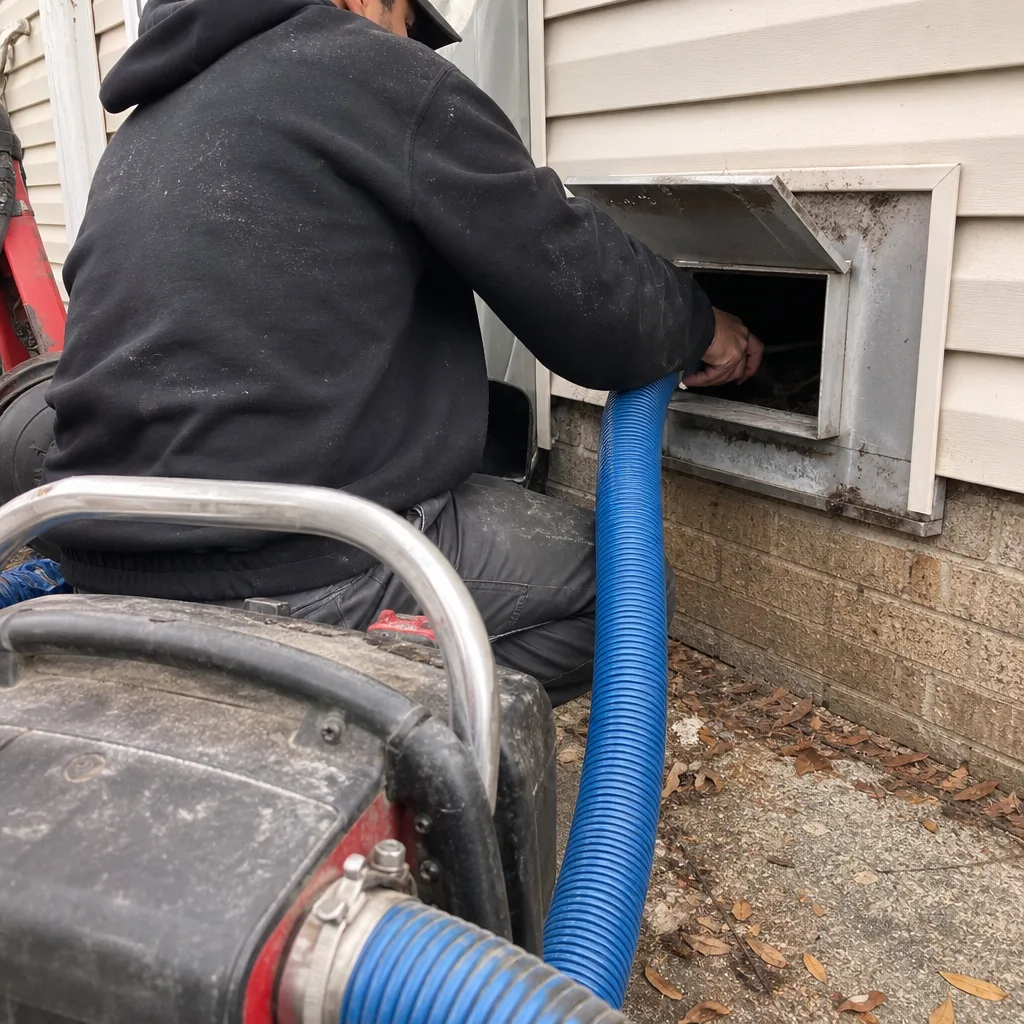 Before
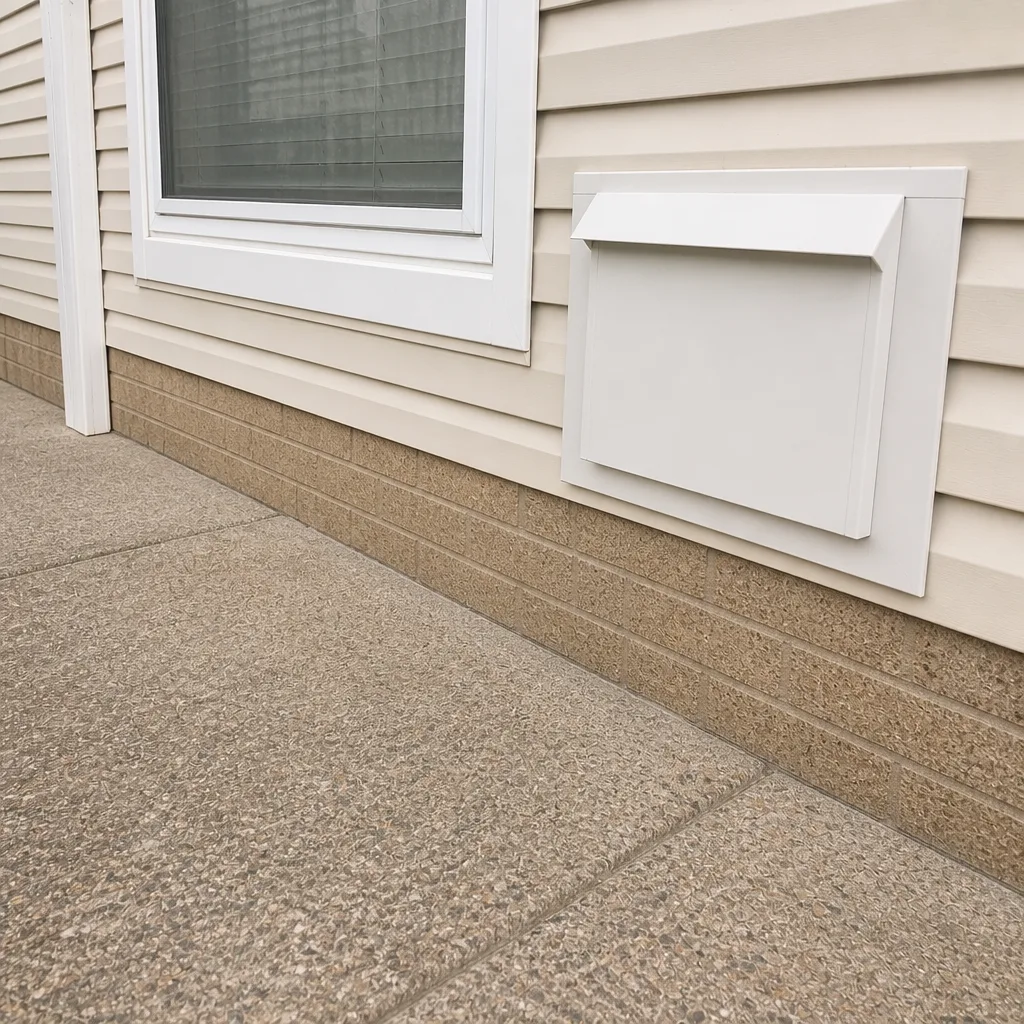 After
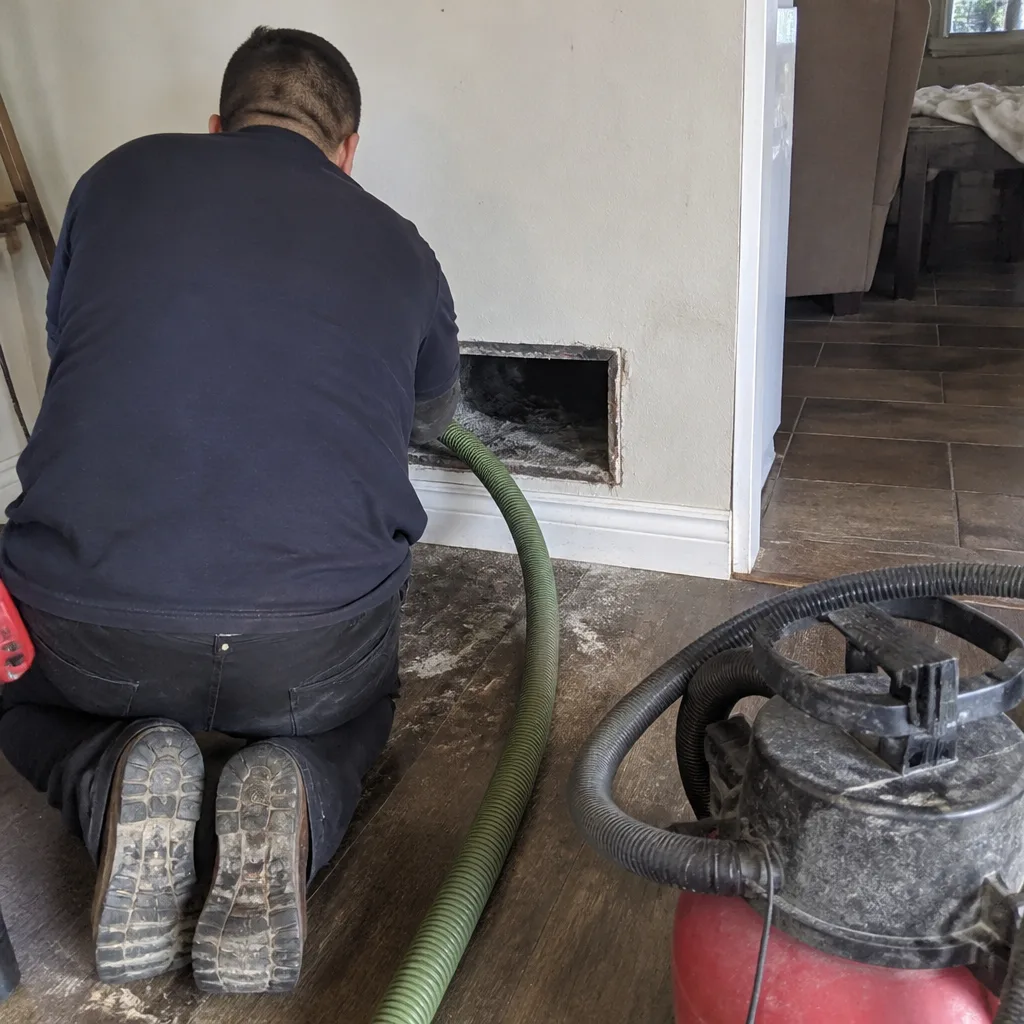 Before
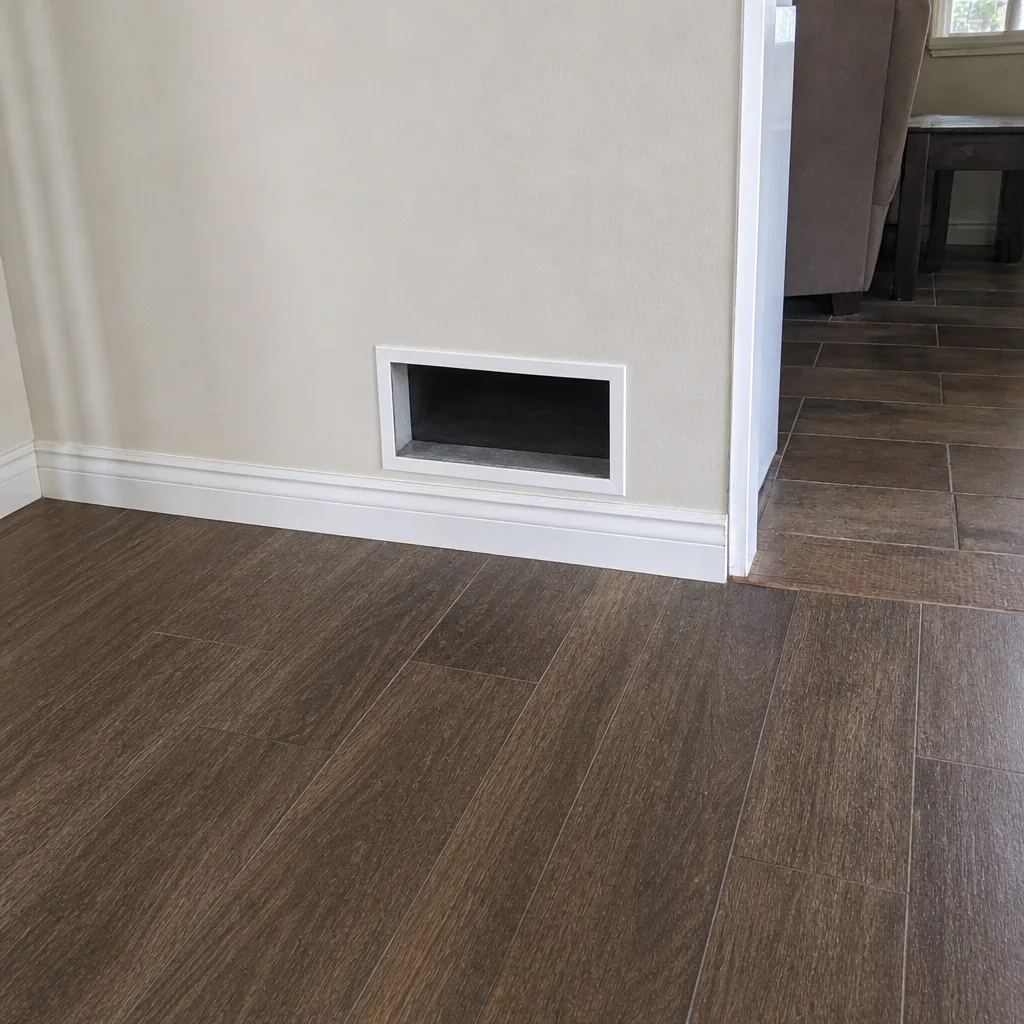 After
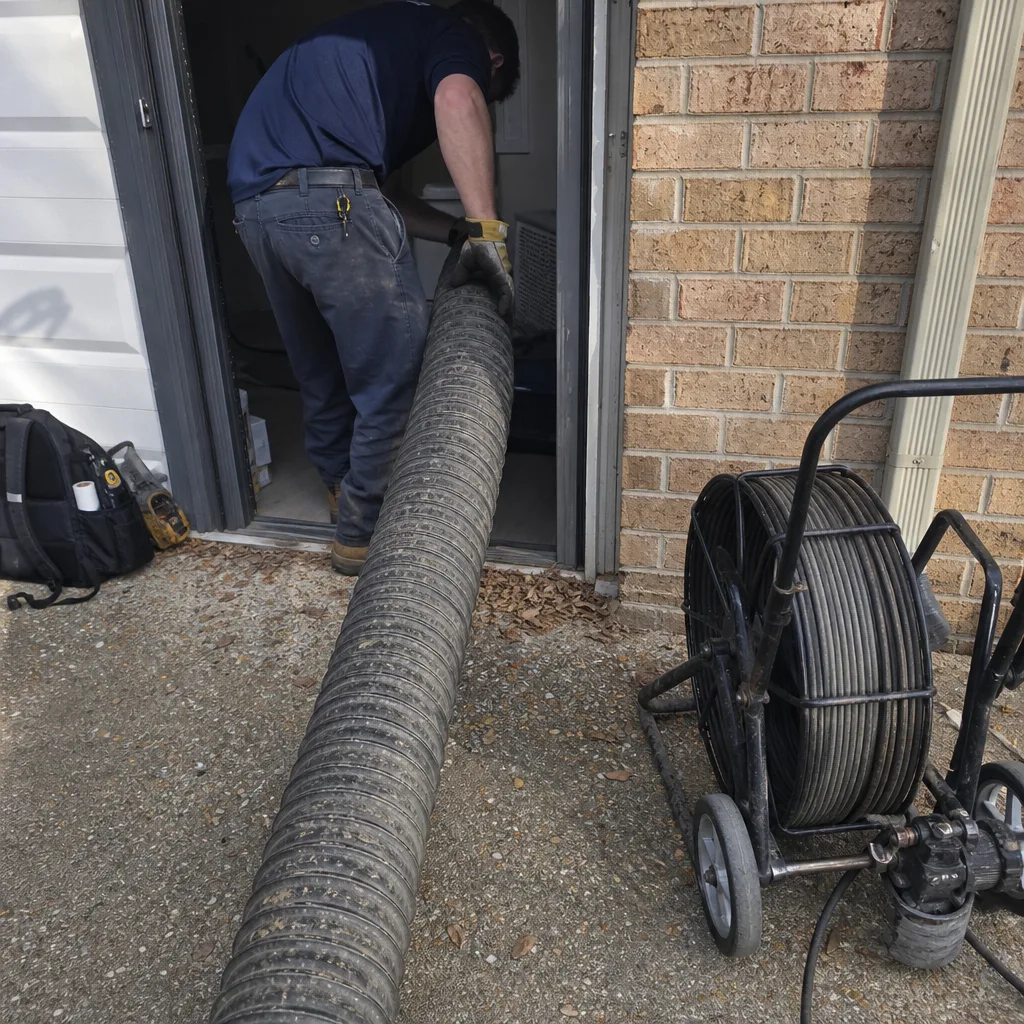 Before
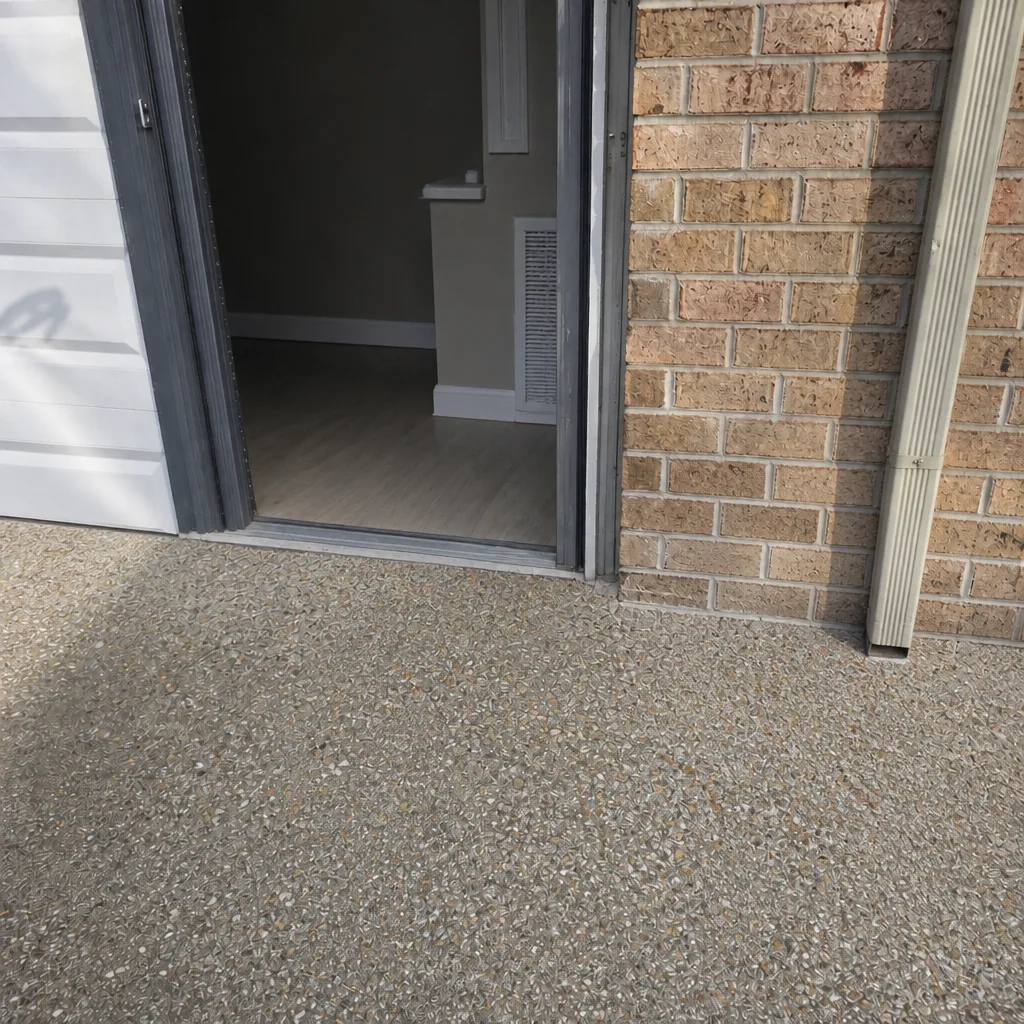 After
When to Call a Professional
Call a professional when the tissue test shows debris fallout at a supply, when runtime creep has been documented over several weeks, when one room has become consistently the coldest or hottest in the house, or when a musty smell persists through the whole cycle. Those are the patterns that need a mechanical cleaning, not another thermostat swap. A full-system review also covers the dryer vent and the sealing work that keeps the ducts from re-accumulating. Antioch Air Duct Cleaning Pros offers free estimates in Antioch – call (833) 508-9940. We answer 24/7. Fast dispatch from 7am to 7pm, Sunday through Friday. Our technicians have up to 13 years of experience and clean with Rotobrush contact-cleaning technology and Nikro professional extraction equipment, so the duct walls get scrubbed rather than blown loose, and the debris gets pulled out under vacuum.
Frequently Asked Questions
The earliest reliable sign is longer heating or cooling cycles to reach the same setpoint on your thermostat. Runtime creep shows up months before visible dust fallout and is far more consistent than a smell or a single cold room. Note the outdoor temperature and cycle length once a day for a week to establish a baseline, then compare in a month.
Yes, it’s a late-stage sign. Visible dust coming out of a supply means the accumulation inside the duct has reached the point where airflow is physically lifting it and pushing it back into the room. A white tissue held in front of the vent during a cycle will confirm whether what you’re seeing is debris fallout versus normal fine dust. If the tissue shows falling particles, the system is due for a cleaning.
Short-lived musty smell during the first few minutes of a cycle usually points to the air handler, coil, or plenum – damp surfaces that dry out once the system is running. A smell that persists through the whole cycle points to the ducts themselves. The distinction matters because the fix is different. Call (833) 508-9940 for an exact quote – estimates are free.
We don’t quote a flat rate over the phone, because every system’s run length, branch count, and level of contamination is different, and per-vent pricing invites the “that’ll be extra” surprise once the technician is on site. We give one flat price per system, agreed before work starts. Call (833) 508-9940 and we’ll schedule a free estimate – the written estimate sets the final price.
For most Antioch homes, a full duct cleaning every few years is reasonable, but the right interval depends on the home – pets, recent renovations, and how the filter has been managed all shift it. A better rule than the calendar: re-check the tissue test each heating season. When the tissue shows particles at a supply, it’s time to schedule. Call (833) 508-9940 for a free estimate.
Ask for before-and-after photos of your own ducts, not stock images, and ask the technician to walk you through what was extracted. Companies that use contact-cleaning equipment and professional extraction systems can show clear evidence of what came out. Call (833) 508-9940 and we’ll walk you through what the visit covers before anything is scheduled.
The Bottom Line
The warning signs that matter most are quiet: longer cycles, one room that’s always a few degrees off, a musty smell in the first minute of a cycle, symptoms that track with HVAC use rather than outdoor pollen. Visible dust from a supply vent is real, but it’s the last sign to show up, not the first. The tissue test is a ten-minute check that tells you whether the problem is filter bypass, duct leakage, or heavy debris in the ducts. When you have two or more of the quiet signs together, that’s the moment to schedule a professional review. From Antioch Air Duct Cleaning Pros, our work is contact cleaning and extraction, not a blow-out, and every job carries one flat price per system agreed before work starts.
Call (833) 508-9940 for a free estimate in Antioch. We answer 24/7. Fast dispatch from 7am to 7pm, Sunday through Friday, and we’re closed Saturday.
Written by the team at Antioch Air Duct Cleaning Pros.